Business
Family Dollar Has Been Closing One Store Per Day for 309 Days
By Mike Harper · May 30, 2026
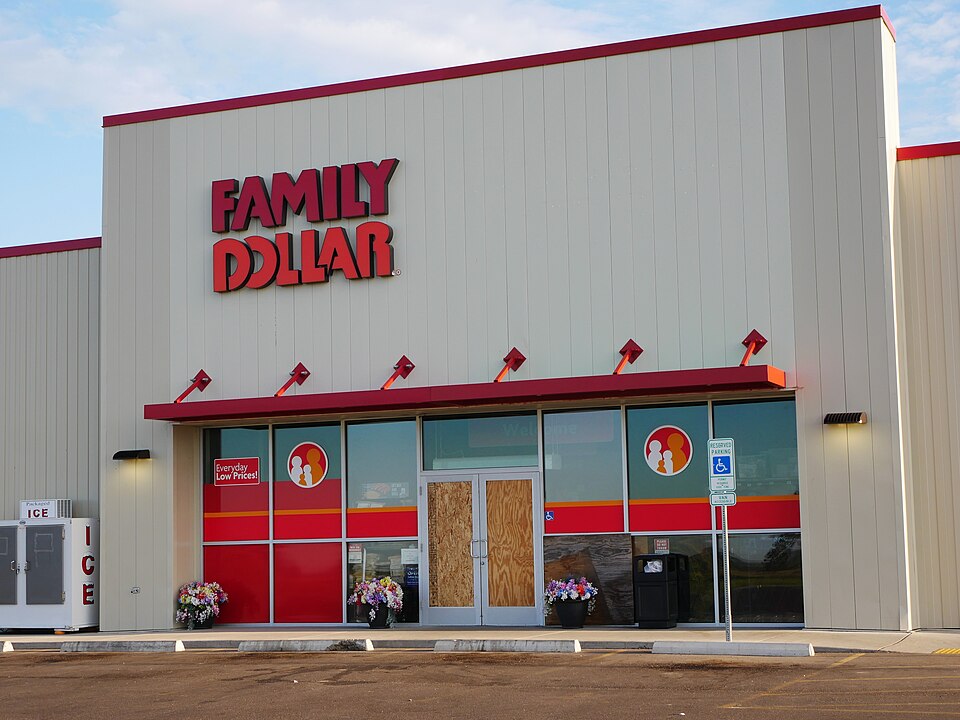
On July 7, 2025, Dollar Tree sold Family Dollar to a private equity consortium for $1 billion. In the 309 days since that sale closed, Family Dollar has permanently shuttered at least 350 locations — an average of one store per day, according to a new analysis by Local Falcon, an AI search visibility platform that tracked changes to the chain’s store locator and cross-referenced closures against Google Maps.
The 350 closures represent a 4.69% reduction in the chain’s footprint. Family Dollar operated 7,462 locations at the start of the study period. It has approximately 7,112 today. Over the past two years, including closures under Dollar Tree’s ownership, the chain has shed roughly 1,247 locations — nearly 15% of the store count it had at its peak.
The closures are not evenly distributed. Texas has lost the most stores in absolute terms, with 35 permanent closures. Ohio follows at 28. Georgia is third at 26. Alabama, Kentucky, and North Carolina each lost approximately 20 locations. The South and Appalachia have been hit hardest overall — Arkansas, Alabama, Kentucky, and Tennessee have each lost more than a tenth of their Family Dollar locations since July 2025.
Six states have lost none: Idaho, Massachusetts, Montana, South Dakota, Utah, and Wyoming.
The chain was once the second-largest dollar-store retailer in the United States before Dollar Tree acquired it in 2015 for $8.5 billion. The acquisition proved difficult from the beginning — the two chains operated with incompatible inventory systems, customer bases, and real estate footprints. Dollar Tree spent years attempting to integrate and improve Family Dollar before ultimately deciding to exit, selling the brand to Brigade Capital Management, Macellum Capital Management, and Arkhouse Management for $1 billion — a fraction of what it paid a decade earlier.
The new owners describe the closure strategy as deliberate — a transformation plan that “delivers downstream benefits across the entire business” by eliminating locations that drag on profitability. In its March 2026 earnings materials, Family Dollar reported that the strategy was producing improved financial results at remaining stores — suggesting the closures are planned and controlled rather than signs of a chain in collapse.
For communities that rely on Family Dollar — particularly rural areas and low-income urban neighborhoods where the chain has historically concentrated its locations — the closures remove a key source of affordable household goods, cleaning supplies, and basic food items. Dollar stores often serve as the only retail option within reasonable distance in communities where grocery stores and pharmacies have already closed.
The closures are continuing. At one per day, the number will exceed 400 before the end of summer.