Politics
Trump Used Taiwan as a Bargaining Chip in Beijing. Congress Is Pushing Back.
By Mike Harper · May 18, 2026
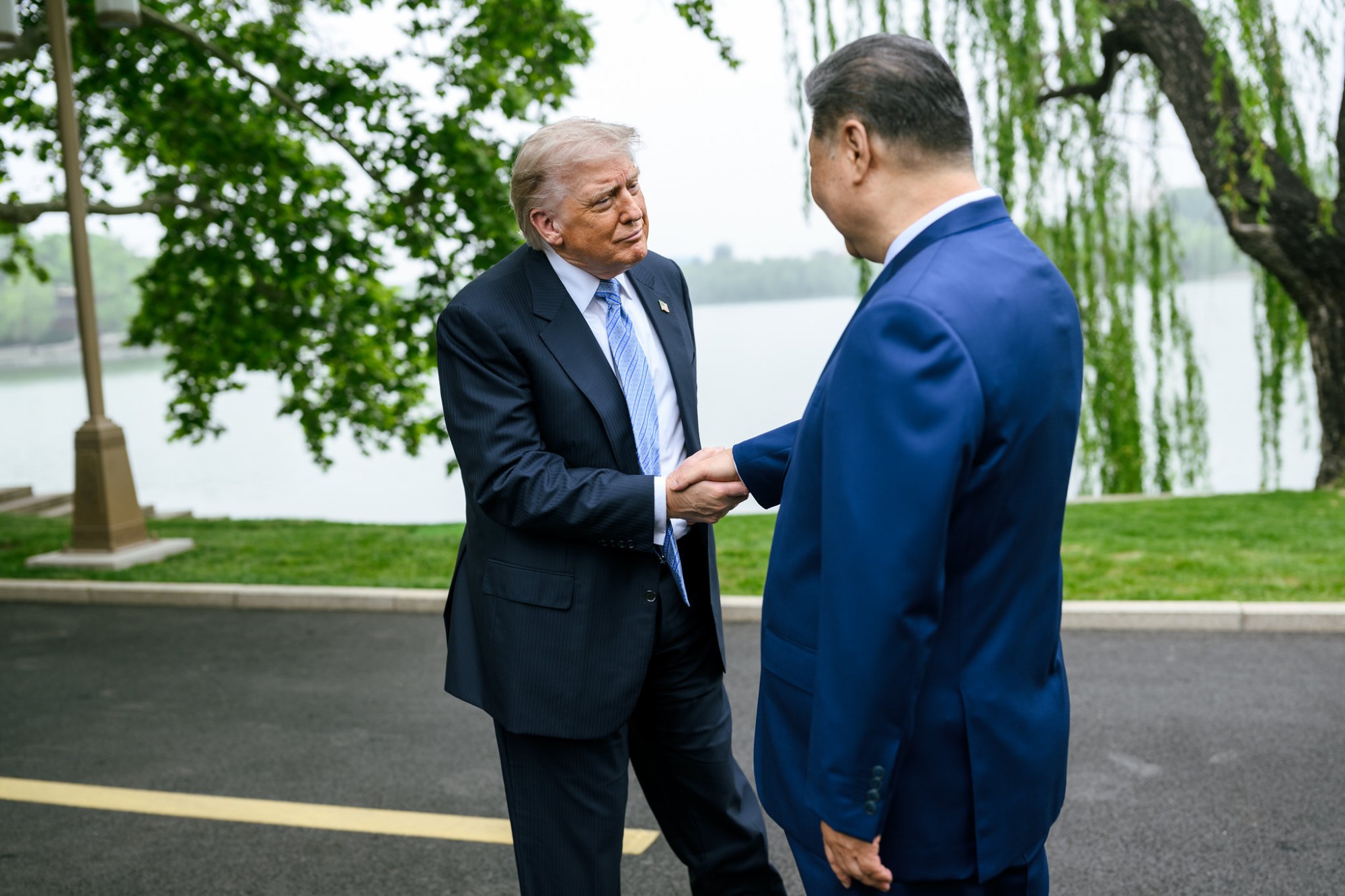
When President Trump departed Beijing on Friday, he left behind one of the most significant unresolved questions of the summit: whether the United States will proceed with a $14 billion arms sale to Taiwan that Congress approved in January and that Trump has been delaying for months.
“I’ll make a determination over the next fairly short period,” Trump told reporters aboard Air Force One after leaving China. He confirmed Xi had raised the issue directly during their meetings — and that he had made “no commitment either way.” When asked whether the US would defend Taiwan if China attacked, Trump declined to answer.
The implications are significant. Xi, according to China’s state news agency Xinhua, warned Trump that if Taiwan is handled “improperly” the two nations could “come into conflict.” He also told Trump that if handled “properly” the relationship could remain “generally stable.” Trump’s willingness to leave the arms sale unresolved while receiving that message — and while accepting $17 billion in agricultural purchase commitments — is what critics in both parties are calling an implicit concession to Beijing.
Congress responded quickly and with unusual bipartisan unity. House Foreign Affairs Committee Ranking Member Gregory Meeks said Xi has “leverage over the president” but not over Congress. House Speaker Mike Johnson reiterated US support for Taiwan. Senate Foreign Relations Committee members from both parties called for the arms sale to proceed without delay.
The Taiwan Relations Act — passed in 1979 — requires the United States to provide Taiwan with the means to defend itself. The $14 billion package, which includes air defense systems, missiles, and radar technology, was designed to fulfill that requirement. Congress approved it. The president is the one holding it.
Taiwan’s government, for its part, has been publicly pressing Trump to proceed. Taiwanese officials have emphasized the island’s strategic value to the United States — particularly its role in producing the advanced semiconductor chips used in AI and defense applications — and have pledged to increase defense spending to demonstrate they are taking their own security seriously.
The geopolitical stakes around this decision extend beyond the arms package itself. If Trump declines to sell Taiwan the weapons Congress approved in exchange for trade concessions from China, it establishes a precedent that US security commitments can be renegotiated as part of economic deals. That precedent — if it holds — changes the calculus for every American ally that depends on US security guarantees, not just Taiwan.
No decision has been announced. Trump said “fairly short period.” That clock is now running.