Politics
Trump Just Made 8,000 Senior Federal Workers Fireable Without Cause or Appeal
By Mike Harper · June 4, 2026
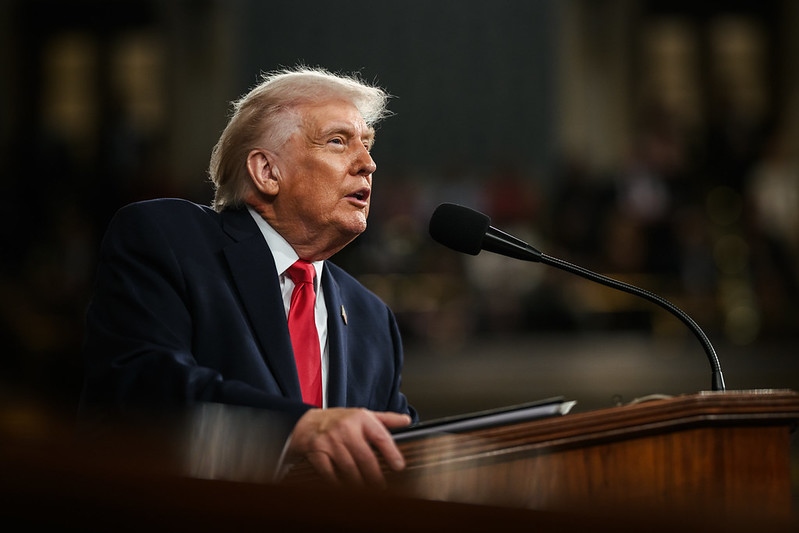
The 8,000 federal workers affected by Wednesday’s executive order are not entry-level employees. They are the people who run things.
Trump signed an executive order Wednesday reclassifying approximately 8,000 senior federal positions into a new category called “Schedule Policy/Career,” making them at-will employees who can be fired by agency heads without cause, without notice, and without the right to appeal. Nearly all of the affected positions are at the GS-15 level — the highest pay grade in the civilian federal workforce, with salaries reaching $200,000 annually.
The positions affected include directors of policy offices, their chiefs of staff, heads of regional offices across the country, program managers overseeing federal spending and grants, senior public affairs officers, and analysts involved in writing federal regulations and guidance documents. These are the career professionals who have typically remained in place across administrations, providing institutional continuity in agencies ranging from the EPA to the FDA to the Department of Defense.
Under the new classification, agencies can remove employees in Schedule Policy/Career for “poor performance, misconduct, corruption, or subversion of Presidential directives without lengthy procedural hurdles,” according to a White House fact sheet. The “or subversion of Presidential directives” language is the phrase drawing the most attention — it establishes that disagreeing with administration policy, or implementing it in ways the agency head considers insufficiently enthusiastic, is now sufficient grounds for dismissal.
Scott Kupor, director of the Office of Personnel Management, said no loyalty tests will be used and that affected workers retain whistleblower protections. He also acknowledged that enforcement is up to individual agencies.
“This provides a mechanism, obviously, for people in those agencies to be able to be removed effectively at will.”
The order is the culmination of an effort Trump first launched near the end of his first term with an order called “Schedule F,” which Biden revoked within hours of taking office in January 2021. The original version would have affected an estimated 50,000 workers across the federal government. Wednesday’s order is more targeted — 8,000 — but covers the tier of career officials most directly involved in shaping how policy is actually implemented.
Federal employee unions said they will challenge the order in court. The American Federation of Government Employees, which represents approximately 750,000 federal workers, called the order “an unconstitutional power grab” and said it would seek an emergency injunction. Similar challenges to first-term Trump workforce actions — including mass firings and the first Schedule F order — have produced mixed results in federal courts, with some blocked and others allowed to proceed.
For Americans who interact with federal agencies — filing taxes, applying for benefits, seeking regulatory approvals, or relying on programs administered by federal offices — the practical consequence of the order depends on what happens next. If agencies use the new authority to remove career officials who have resisted political direction, the policy expertise that has historically resided in those positions leaves with them. If agencies use it sparingly or courts block it, the order may have limited immediate effect.
What it does not do, despite its framing, is remove the career civil servants who do most of the government’s day-to-day work. The 8,000 positions represent a fraction of the federal workforce of approximately 2.3 million civilian employees.