Politics
The Trump Administration Just Killed the Subsidy Keeping Medicare Drug Premiums Down for 25 Million Seniors
By Mike Harper · July 31, 2026
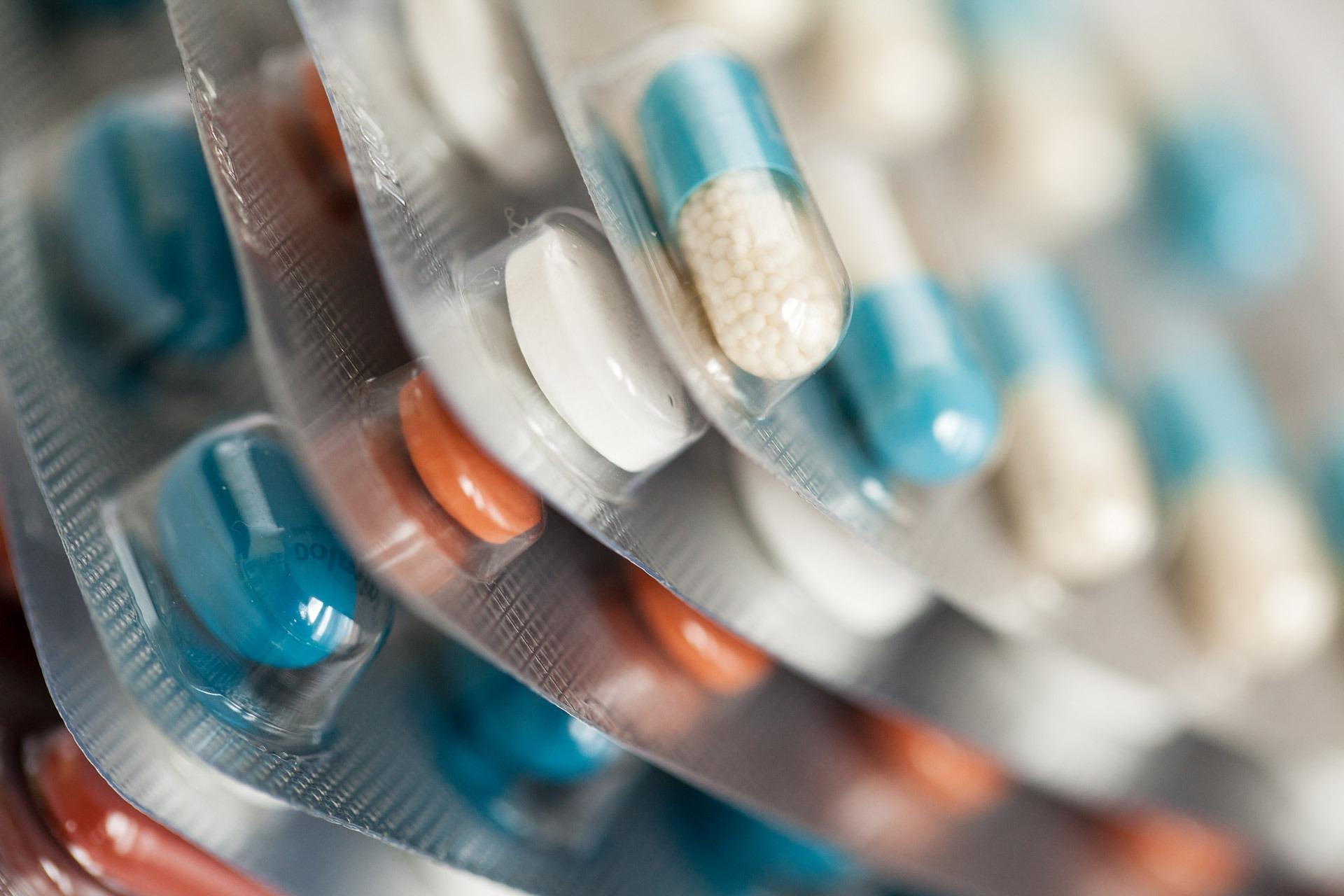
The subsidy that kept your Medicare drug premium around $36 a month is gone. You’ll find out how much more you’re paying this fall.
The Trump administration announced this week that it will end the Medicare Part D Premium Stabilization Demonstration at the end of the year — a program that provided roughly $3.6 billion in subsidies to private insurers to keep prescription drug coverage premiums from spiking after the Inflation Reduction Act restructured how Medicare pays for drugs.
Approximately 25 million Americans enrolled in standalone Medicare Part D prescription drug plans will be affected. The subsidies currently offset an average of $16 per month per enrollee, according to the Medicare Payment Advisory Commission. Without them, premiums for 2027 are expected to rise for the majority of beneficiaries.
How much more is still unclear. Centers for Medicare and Medicaid Services administrator Dr. Mehmet Oz announced the decision on X, calling the subsidies “a bailout” for insurance companies and saying most beneficiaries would see increases of less than $10. Plan-specific premium amounts won’t be released until mid-to-late September — after the decision is locked in and before the November midterm elections.
Independent analyses tell a less reassuring story. According to KFF, a health policy research nonprofit, approximately 75% of enrollees could face higher premiums. About 45% would see increases of $11 to $20 per month. The remaining 25% would either see increases under $10 or a decrease.
The Biden administration created the subsidy program in 2024 to cushion the transition after the Inflation Reduction Act capped out-of-pocket drug spending at $2,000 per year. That cap meant seniors paid less at the pharmacy counter — but insurers were left bearing more of the cost. The subsidies were designed to prevent insurers from passing that cost directly to enrollees through higher premiums. They were expected to last through 2027 but are now ending a year early.
The $2,000 out-of-pocket cap itself is not affected by this decision. That remains in place for 2027, projected to rise to $2,400. But the monthly premium — the cost of simply having drug coverage — is what’s changing.
For the 25 million people on standalone Part D plans, many of them seniors on fixed incomes, even a $10-to-$20 monthly increase translates to $120 to $240 more per year. On an income that doesn’t adjust with the cost of living, that matters.
Enrollees will learn their 2027 premium amounts during the annual enrollment period beginning October 15. By then, the subsidy will already be gone and the only option will be switching to a different plan — not restoring the one they had.