Lifestyle
What Happens to Your Feet After 50 That Most People Don’t Realize
By Curtis Jones · September 30, 2026
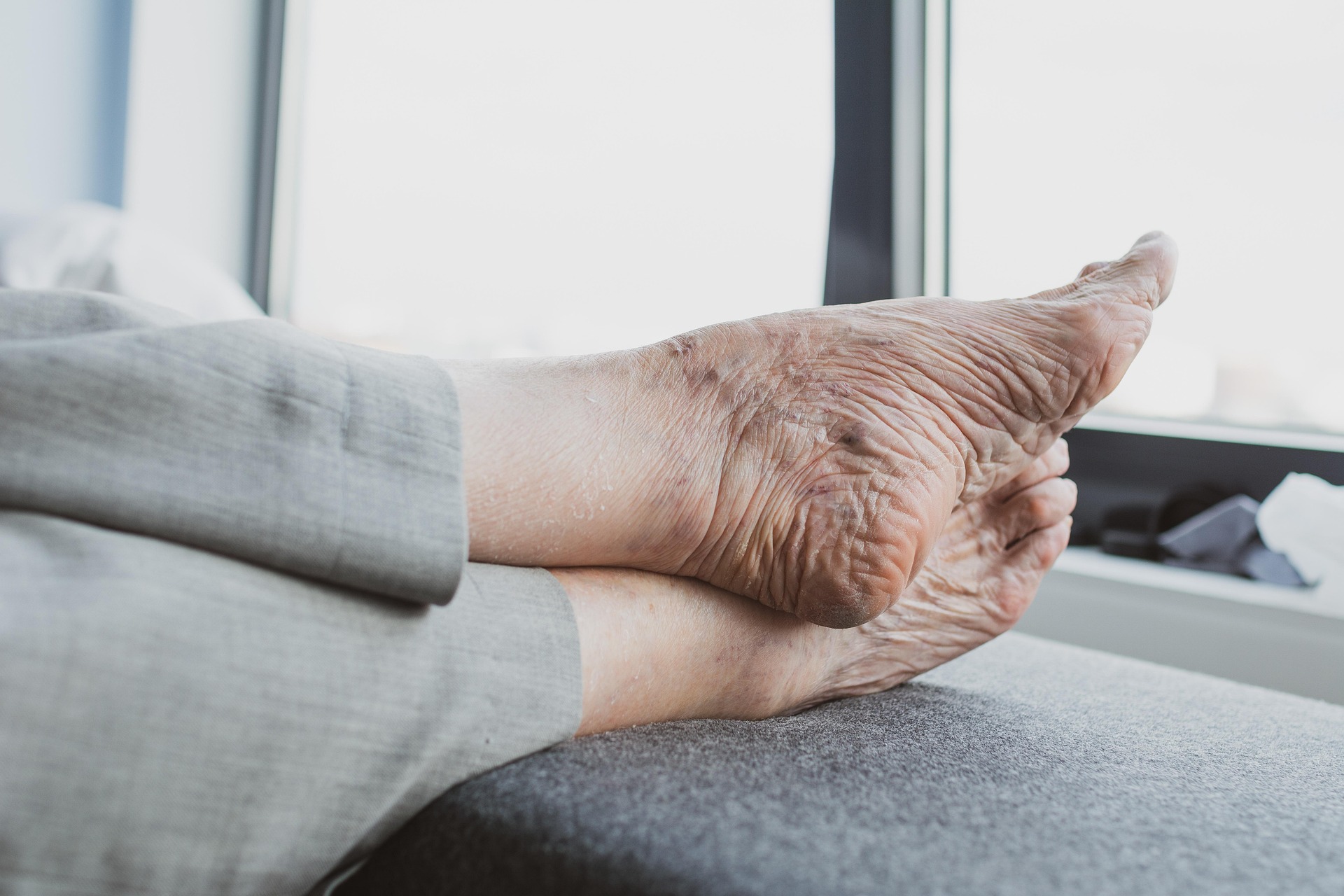
The first sign for most people isn’t dramatic. A pair of shoes that used to be comfortable suddenly aren’t. Heel pain that shows up on the first steps out of bed. A bunion that wasn’t there five years ago. Your feet have carried you for decades, and after 50 they start telling you what all that weight has cost. Most of what happens is invisible until it starts to hurt.
Here’s what actually changes.
The fat pads under your feet start to thin. Under 50, the fat pads on the bottom of your feet — thick cushions of collagen and fat organized in a honeycomb pattern — absorb the impact of every step you take. The plantar fat pad thins by roughly 30 to 50 percent between ages 40 and 80, dramatically reducing your foot’s natural shock absorption, one podiatrist’s summary of the aging foot notes. That’s why walking on hard floors starts to feel different, and why cushioned insoles suddenly become worth their weight in gold.
Your arches gradually collapse. The ligaments and tendons that hold your arch in place lose elasticity with age. The posterior tibial tendon, which supports the medial arch of the foot, is particularly vulnerable to age-related degeneration and can lead to adult-acquired flatfoot. As the arch flattens, your foot widens and lengthens, and the way weight distributes across your foot changes — which is why long-time shoe sizes stop fitting.
Plantar fasciitis becomes far more common. The plantar fascia — the thick band of tissue that runs along the bottom of your foot — becomes less elastic with age and more prone to micro-tearing. Plantar fasciitis peaks in women ages 40 to 60, coinciding with hormonal transition, and hormonal changes affecting ligaments and tissues make women particularly prone to develop it. The classic sign is stabbing heel pain on the first steps out of bed.
Bunions and hammertoes progress. Structural deformities that developed slowly over decades become symptomatic later in life. Bunions — where the big toe drifts toward the second toe — gradually enlarge as ligament laxity lets the joint shift. Hammertoes develop when muscle imbalances or tight footwear cause the smaller toes to bend abnormally at the middle joint. Neither reverses on its own, but both are treatable if caught early.
Toenails thicken and become brittle. Reduced circulation to the extremities, common with age, changes how nails grow. They become thicker, more brittle, and often harder to trim. This isn’t cosmetic — thickened, brittle nails are prone to injury and to fungal infections that can lead to more serious problems for people with diabetes or reduced circulation. Regular podiatry visits for professional nail care become important for many seniors.
Feet widen and lengthen. Because ligaments loosen and arches collapse, your feet grow — often by a half or full shoe size, and by a full width — after age 50. Most people never remeasure. Wearing shoes that were fine 10 years ago but no longer fit accelerates bunion progression, causes friction blisters, and contributes to falls. Have your feet professionally measured annually after 50.
Circulation issues can present as foot problems first. Peripheral artery disease — narrowing of the arteries feeding the legs and feet — often shows up as cold toes, slow-growing toenails, slow-to-heal sores, or thin, shiny skin on the tops of the feet. These aren’t just aging. They can signal atherosclerosis that raises stroke and heart attack risk. If your feet have changed in these specific ways, ask your doctor for an evaluation.
The good news: all of this is manageable. Well-cushioned shoes with wide toe boxes and firm heel counters restore what fat pad loss removes. Custom orthotics support collapsing arches. Physical therapy addresses plantar fasciitis. Regular podiatry visits catch nail and skin problems before they escalate. Foot problems in older adults are linked to reduced mobility, more falls, and lower quality of life — but only when they go untreated.