Business
Apple’s Secret Chip Talks Reveal a Taiwan Problem It Can No Longer Ignore
By Erica Coleman · May 5, 2026
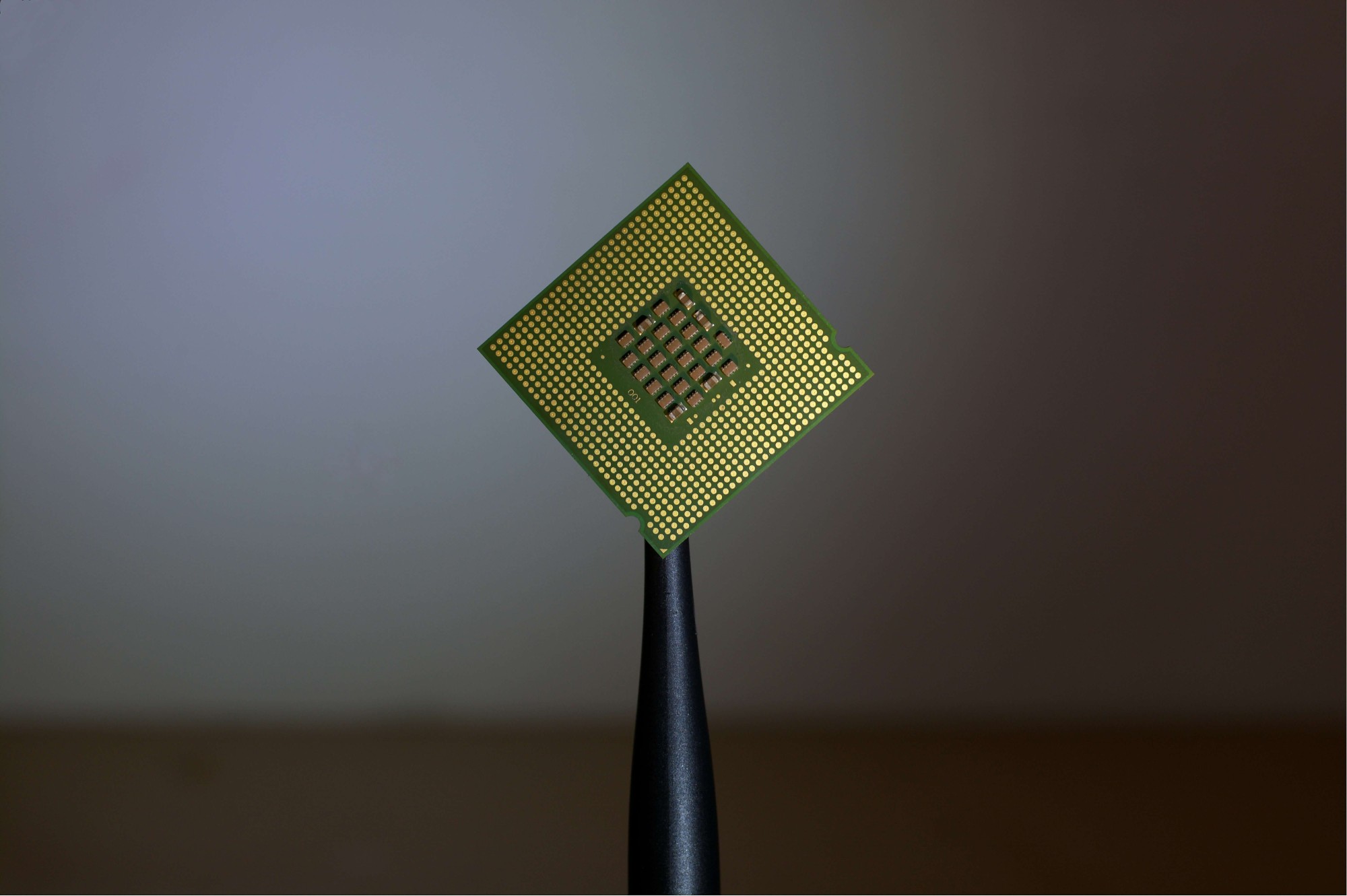
Apple has spent years building the most capable consumer chips in the world. Every single one of them is made in Taiwan. That concentration — which Apple’s own leadership has privately called a strategic vulnerability — is now driving exploratory conversations that could reshape how the technology industry thinks about where things get built.
Apple has held early-stage discussions about using Intel and Samsung Electronics to produce the main processors for its devices in the US, Bloomberg News reported Monday, citing people familiar with the deliberations. Apple executives have visited a Samsung plant under construction in Texas and held separate preliminary talks with Intel about its contract chipmaking services. Neither effort has resulted in any orders, and Apple has concerns about the reliability and scale of non-TSMC technology that could prevent it from moving forward with either partner.
That last detail is the one that matters most for understanding what these conversations actually are. Apple is not looking for a better chip manufacturer — it is looking for an alternative one. The discussions are insurance, not transition planning. The goal is to ensure that if something disrupted Taiwan Semiconductor’s ability to produce chips — an eventuality that geopolitical tensions have made increasingly imaginable — Apple would have a domestic option.
Apple CEO Tim Cook told employees as far back as 2022 that “regardless of what you may feel and think, 60% coming out of anywhere is probably not a strategic position”, referring to chip production concentrated in Taiwan. Since then, Apple has been working with TSMC on a Phoenix, Arizona facility that will produce 100 million chips for Apple in 2026.
The Intel conversation has a dimension that goes beyond supply chain risk. Some Apple executives believe a partnership with Intel could improve the company’s relationship with the Trump administration, which brokered an investment deal in Intel last year and publicly views the company as a national manufacturing champion.
For Intel, the talks represent something closer to survival. Finding external customers for chip production is a key piece of CEO Lip-Bu Tan’s comeback plan. Landing Apple — even a partial order — would validate Intel’s foundry ambitions and help attract additional customers in ways that no other single win could.
Apple warned of continuing chip supply constraints when it reported quarterly results last month. iPhone sales were held back by advanced processor shortages — the same shortages that are giving urgency to conversations that might otherwise have stayed theoretical for years longer.
The practical timeline for any of this to affect the iPhones on store shelves is long. Building chipmaking capacity at leading-edge nodes takes years of sustained investment. What the talks signal right now is that Apple has decided the Taiwan risk is no longer something it can manage by ignoring it.