Lifestyle
The 5 Food-Drug Interactions Your Pharmacist Wishes You’d Ask About
By Mike Harper · September 17, 2026
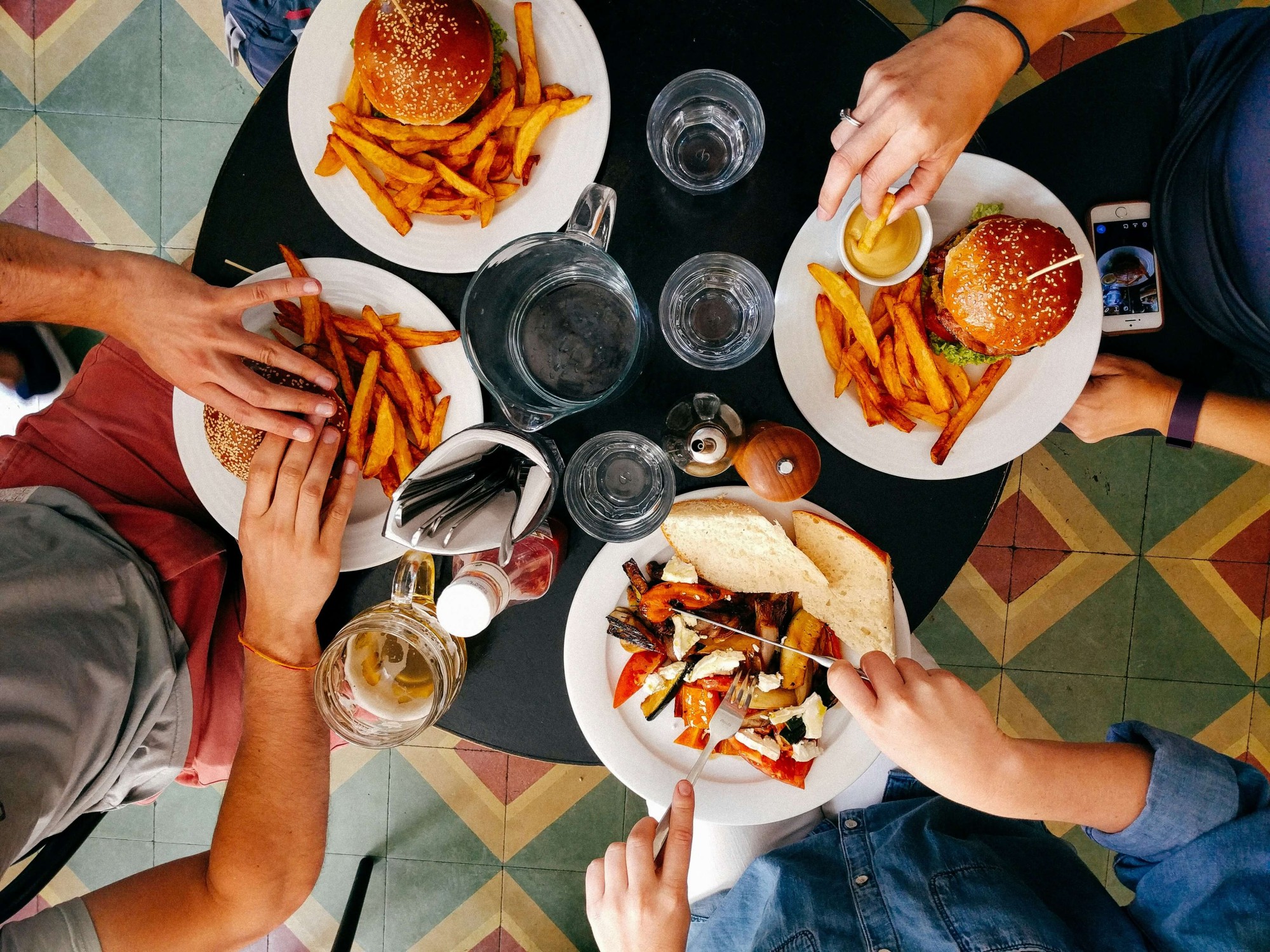
You took your medication with breakfast. You ate a salad for lunch. You had a glass of grapefruit juice with dinner. One of those meals may have just made your medication useless — and another may have made it dangerous.
Food-drug interactions are among the most under-discussed risks in medication management, and they affect millions of Americans taking common prescriptions for cholesterol, blood pressure, blood clots, thyroid conditions, and infections. Your doctor may have mentioned one or two. Your pharmacist probably didn’t cover the rest.
Grapefruit blocks the enzyme that clears your statin from your blood. Grapefruit and grapefruit juice contain compounds called furanocoumarins that inhibit an enzyme in the liver and intestines responsible for breaking down certain medications. When the enzyme is blocked, the drug accumulates in your blood at higher-than-intended levels. For statins — particularly atorvastatin (Lipitor), lovastatin, and simvastatin (Zocor) — this can increase the risk of muscle pain, liver damage, and a rare but serious condition called rhabdomyolysis. Even one glass of grapefruit juice can affect drug metabolism for up to 24 hours. Seville oranges, pomelos, and tangelos have the same effect.
Leafy greens can cancel out your blood thinner. Spinach, kale, broccoli, Brussels sprouts, and other vitamin K-rich foods play a direct role in blood clotting. Warfarin (Coumadin) works by blocking vitamin K’s clotting effect. If you suddenly eat significantly more vitamin K-rich foods than usual, you can overwhelm the medication and reduce its effectiveness — putting you at risk for the blood clots it was prescribed to prevent. The solution isn’t avoiding greens entirely. It’s keeping your intake consistent so your doctor can set the right dose.
Dairy blocks the absorption of certain antibiotics and thyroid medication. Calcium in milk, cheese, and yogurt binds to fluoroquinolone antibiotics (ciprofloxacin, levofloxacin) and tetracyclines (doxycycline) in the digestive tract, preventing the drug from being absorbed into the bloodstream. The same applies to levothyroxine — the thyroid medication taken by 20 million Americans. Taking your thyroid pill with your morning coffee with cream can reduce absorption significantly. The standard guidance: take levothyroxine on an empty stomach, 30 to 60 minutes before eating or drinking anything with calcium.
Bananas and other high-potassium foods can cause dangerous levels with certain blood pressure drugs. ACE inhibitors (lisinopril, enalapril) and potassium-sparing diuretics (spironolactone) reduce potassium excretion by the kidneys. Adding high-potassium foods — bananas, oranges, potatoes, tomatoes, avocados — can push blood potassium levels dangerously high, causing muscle weakness, heart palpitations, and potentially fatal cardiac arrhythmias. Your doctor may not have mentioned the dietary connection because they assumed the pharmacist would.
Alcohol amplifies nearly everything — and the warnings are inadequate. The “do not drink alcohol” warning on prescription bottles is so ubiquitous that most people ignore it. But the interactions are specific and serious. Alcohol combined with benzodiazepines or opioids can slow breathing to the point of death. Alcohol with metformin can cause a dangerous buildup of lactic acid. Alcohol with acetaminophen (Tylenol) at regular doses can cause liver damage. Alcohol with blood thinners increases bleeding risk. The warning isn’t generic. It’s specific to the drug you’re taking — and the consequences range from reduced effectiveness to a medical emergency.
The pharmacist’s 30-second counseling session at the counter can’t cover every food interaction for every medication you take. A simple question — “Are there any foods I should avoid or time differently with this medication?” — is worth asking every time a prescription is filled or renewed. The answer may change what you eat for breakfast.