U.S. News
The 76-Day DHS Shutdown Is Over — Here’s What It Actually Cost
By Mike Harper · May 1, 2026
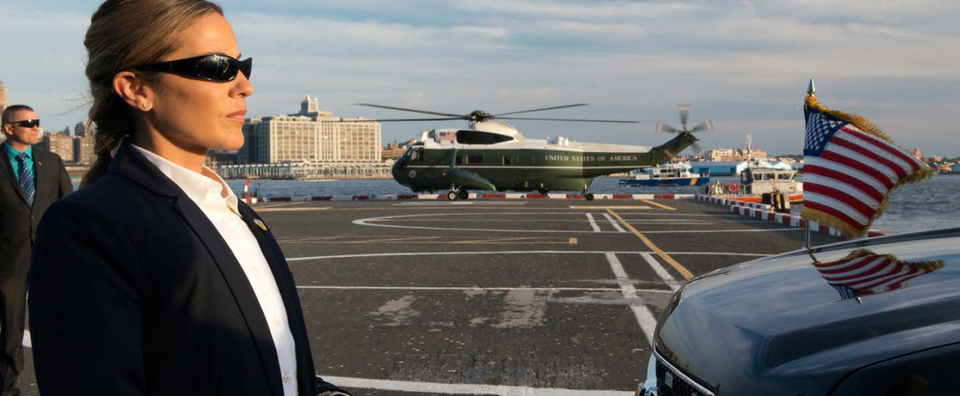
The agents who protected President Trump at the White House Correspondents’ Dinner last Saturday night — one of whom absorbed a shotgun blast to his bulletproof vest — were among the federal workers who almost didn’t get a paycheck in May. On Thursday, that threat ended.
President Trump signed a bill funding most of the Department of Homeland Security on Thursday afternoon, ending a 76-day partial government shutdown that had become the longest in United States history. The House passed the legislation through voice vote earlier in the day — no recorded vote requested, no fanfare — a sign that lawmakers simply wanted the standoff over before leaving for a week-long congressional recess.
The shutdown began February 14, two weeks into Trump’s second term, after Democrats refused to fund DHS without meaningful reforms to how federal immigration agents operate. The standoff was triggered directly by the January deaths of two American citizens shot by federal immigration officers in Minneapolis. Democrats demanded body cameras, restrictions on raids near schools and hospitals, and enhanced oversight. Republicans said those conditions would handcuff law enforcement. Neither side moved for 76 days.
What actually ended the standoff was a memo. The White House warned Congress last week that emergency funding used to cover DHS employee salaries would be exhausted by the first week of May. The memo was specific about the consequences — TSA officers without paychecks, Coast Guard operations disrupted, and most pointedly: “brave Secret Service agents” left without pay.
That last detail carried weight that purely political arguments had not. The Secret Service agent who was struck by Cole Tomas Allen’s shotgun at last Saturday’s White House Correspondents’ Dinner — and survived because of his vest — is among the employees now receiving restored funding. So are the roughly 65,000 other DHS workers who had been paid through patchwork emergency measures since February.
The bill Trump signed funds FEMA, the Coast Guard, TSA, the Secret Service, and the Cybersecurity and Infrastructure Security Agency through September 30. It does not include ICE or the Border Patrol — those agencies were kept out of the deal at Republican insistence, with their funding to be addressed through a separate $70 billion budget reconciliation process already underway.
Senate Minority Leader Chuck Schumer was blunt about what the delay cost: “Over a month of unnecessary pain for millions of Americans brought to you by the House GOP.”
Speaker Johnson framed it differently, calling the passage a win — arguing that the simultaneous advancement of the ICE and CBP funding through reconciliation meant both goals had been achieved, just through separate vehicles.
The human cost of the standoff was real. TSA absenteeism spiked throughout the shutdown, with officers quitting to take paying jobs elsewhere. Airport security lines stretched to hours at major hubs. Coast Guard operations were curtailed. FEMA’s ability to respond to new disasters was constrained. TSA officers who stayed reported working without any certainty about when their next paycheck would arrive.
All of that ends today — for most of DHS. ICE and CBP remain on a separate path. The shutdown that lasted 76 days and touched nearly every corner of the nation’s homeland security apparatus is over. Whether the people who lived through it remember who caused it is a question November will answer.