U.S. News
The FTC Forced John Deere to Let Farmers Fix Their Own Tractors
By Mike Harper · July 13, 2026
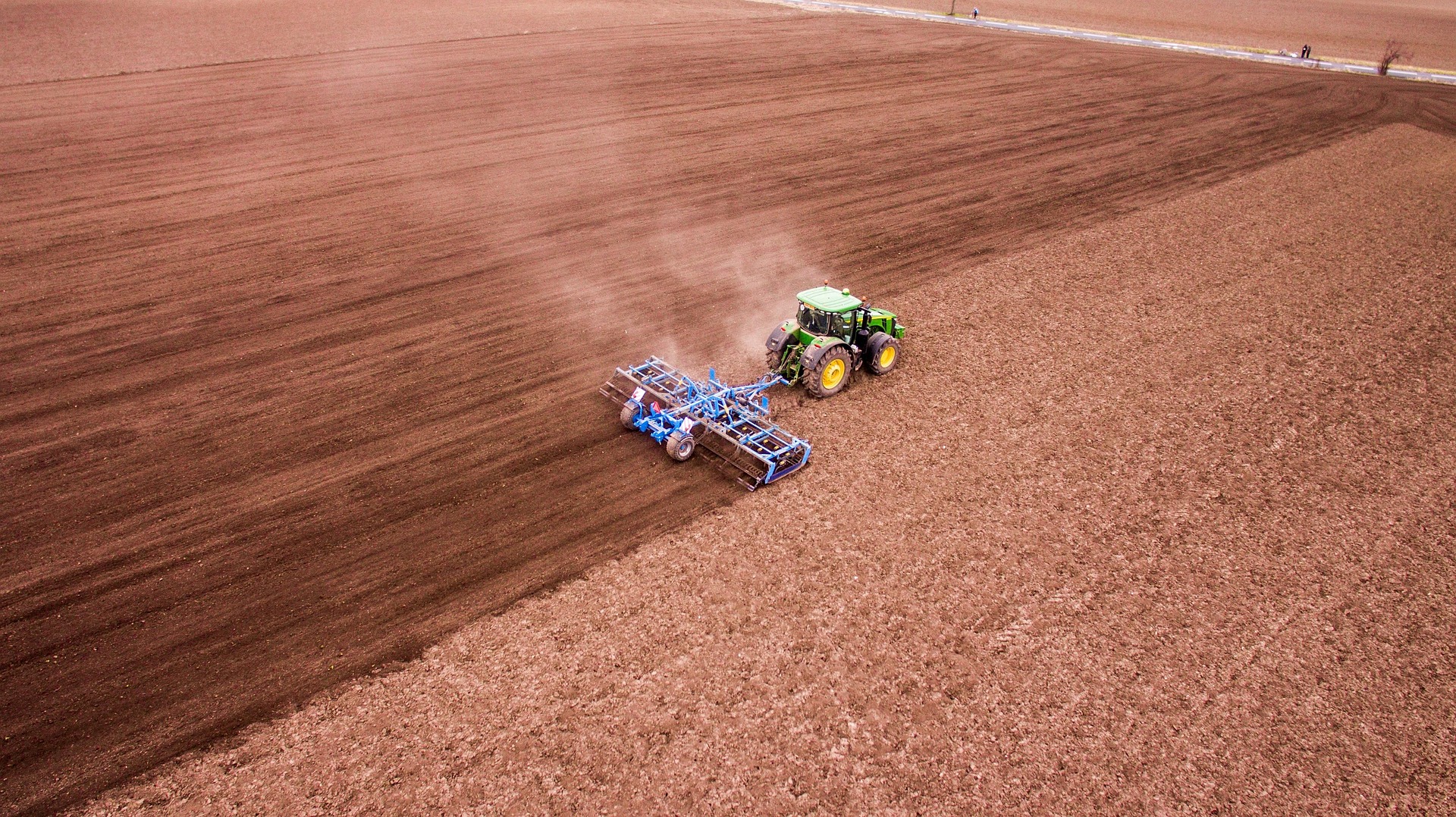
For years, the complaint was the same: a farmer’s tractor broke down, and the only people allowed to fix it were John Deere’s own authorized dealers.
That changed last week. The Federal Trade Commission, along with five states, secured a settlement with Deere & Company that requires the manufacturer to give farmers and independent repair shops the same diagnostic tools, software, and technical resources it currently reserves for its dealer network — for the next 10 years, under federal oversight.
The core of the dispute was software. Modern John Deere tractors run on proprietary electronic systems that control everything from engine diagnostics to emissions compliance. When something goes wrong, farmers need software tools to read fault codes, reprogram components, and restart a machine after an emissions-related shutdown. Deere made those tools available exclusively to its authorized dealers, which the FTC alleged created a monopoly on repair services — forcing farmers to pay dealer rates and wait for dealer availability, sometimes during the narrow windows when crops needed to be planted or harvested.
“Today’s settlement enables farmers to do what they’ve done for generations — fix their own tractors and other farm equipment — without having to pay an authorized John Deere dealer to do it for them.” FTC Bureau of Competition Director Daniel Guarnera said.
The settlement requires Deere to open access to the full range of electronic repair capabilities: reading and clearing fault codes, reprogramming newly installed parts, restarting machines stuck in “limp mode,” and searching technical manuals and troubleshooting guides. It also covers future repair tools Deere develops, not just what exists today — a provision that closes a loophole farmers had been burned by in earlier, weaker agreements.
That history matters. Deere had previously signed memorandums of understanding promising to share repair resources with farmers. In practice, those tools were often unavailable, inferior to what dealers had, or priced out of reach. The AP reported that Deere also reached a separate $99 million class-action settlement with farmers earlier this year — but consumer advocates called that agreement weak, noting it would extinguish farmers’ future legal claims without delivering meaningful repair access.
The FTC settlement is different in two important ways. First, Deere and its dealers are explicitly prohibited from retaliating against farmers or independent shops that perform their own repairs — a practice manufacturers have been known to use, including remotely disabling equipment that’s been serviced outside the authorized network. Second, the agreement includes compliance reporting and federal oversight, with the 10-year term extendable if Deere violates the order’s terms.
The case was originally brought under the Biden administration by then-chair Lina Khan. The Trump-era FTC, under Chairman Andrew Ferguson, voted 2-0 to approve the final settlement — a rare point of bipartisan continuity on an issue that resonates with rural voters and suburban consumers alike.
Right-to-repair has been gaining ground beyond agriculture. Similar fights have played out over smartphones, medical devices, and powered wheelchairs, with consumers arguing that manufacturers shouldn’t be able to lock owners out of maintaining the products they’ve already paid for.
For now, the Deere settlement stands as the most significant federal enforcement action in the movement’s history — and the one most likely to put money back in farmers’ pockets directly.