Lifestyle
The Immune System Shift That Happens After 50 That Nobody Explains to You
By Mike Harper · September 13, 2026
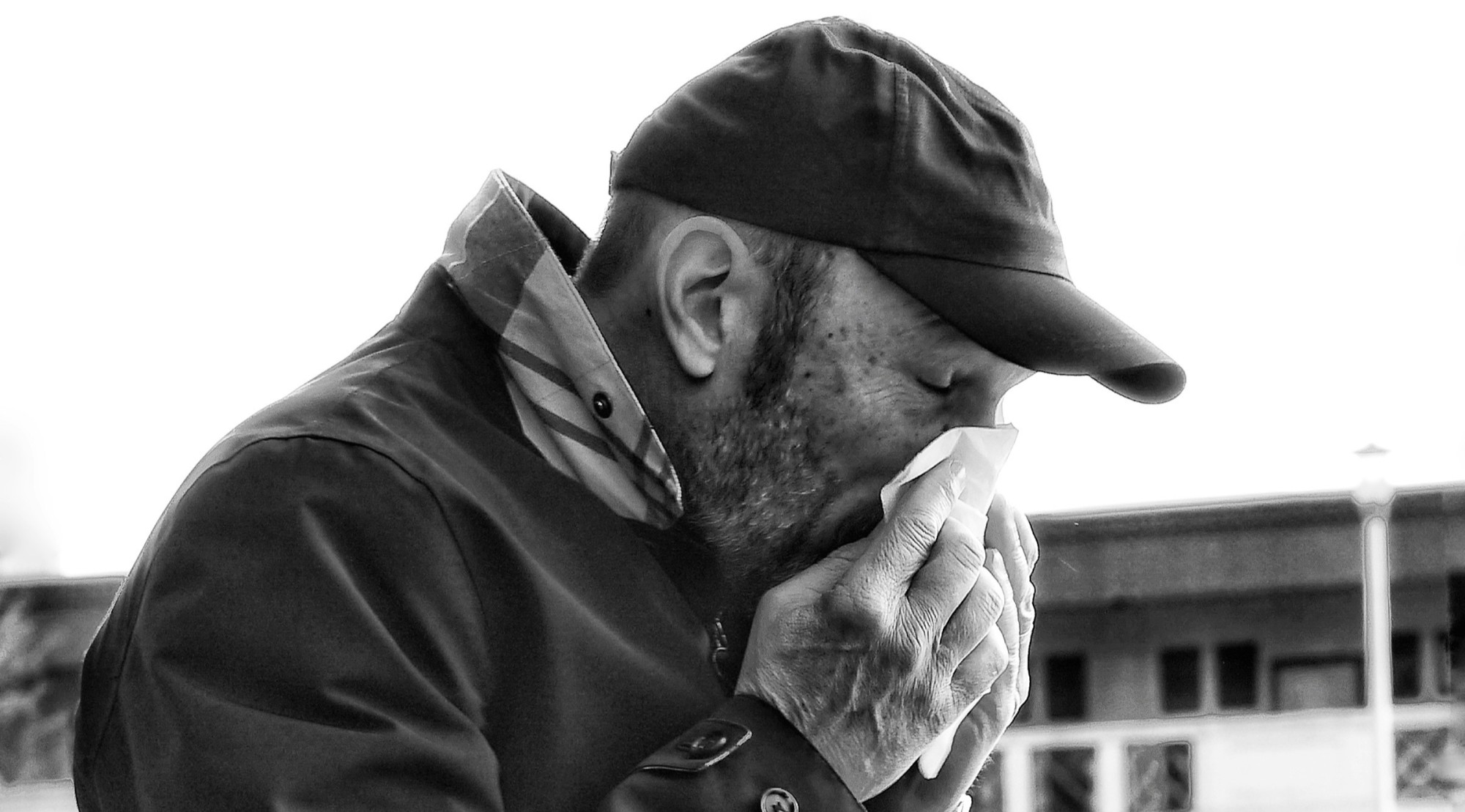
You used to bounce back from a cold in three days. Now it takes two weeks. You used to skip the flu entirely. Now it flattens you. Your immune system didn’t break. It aged — and the changes are specific, measurable, and partially reversible.
The term for it is immunosenescence — the gradual decline in immune function that begins in midlife and accelerates after 60. It’s one of the most consequential changes in the aging body and one of the least discussed — because most people assume getting sick more often is simply what happens when you get older. It is. But understanding why it happens reveals what you can do about it.
Your thymus has been shrinking since puberty — and it matters now. The thymus — a small organ behind your breastbone — produces T cells, the immune cells that identify and destroy infected cells. The thymus begins shrinking after puberty and is largely replaced by fatty tissue by age 50. The result: your body produces fewer new T cells and relies increasingly on memory T cells from infections you had decades ago. Novel threats — new flu strains, COVID variants, bacteria you haven’t encountered — find fewer defenders waiting.
Your inflammatory response is stuck in “on.” Young immune systems mount inflammation when needed and resolve it when the threat is gone. Aging immune systems produce chronic low-grade inflammation even without an active infection — a state researchers call “inflammaging.” This baseline inflammation wastes immune resources, damages tissues over time, and is linked to cardiovascular disease, diabetes, cancer, and neurodegenerative conditions.
Vaccines work less effectively — but they still work. The flu vaccine is roughly 40% to 60% effective in younger adults. In adults over 65, effectiveness drops to 30% to 40% because the aging immune system produces a weaker antibody response. High-dose and adjuvanted flu vaccines were developed specifically to compensate for this reduced response. Getting vaccinated is still one of the most effective things an older adult can do — the protection is reduced, not eliminated.
Your gut microbiome shapes your immune function — and it’s changing. Roughly 70% of your immune system resides in your gut. The diversity and balance of gut bacteria decline with age, influenced by diet, medications (particularly antibiotics and PPIs), and reduced physical activity. A less diverse microbiome produces a weaker immune response and contributes to the chronic inflammation described above.
The interventions that work are the same ones that work for everything else — but they matter more now. Regular exercise boosts immune cell circulation and reduces chronic inflammation. Adequate sleep — seven to eight hours — restores immune function that’s depleted during waking hours. A diet rich in fiber, fermented foods, and plant diversity supports gut microbiome health. And managing chronic stress (which suppresses immune function through cortisol) removes one of the most significant suppressors of immune competence in older adults.
Your immune system at 50 isn’t the one you had at 25. But the decline isn’t a cliff — it’s a slope, and the angle of that slope is influenced by choices you make every day.