Business
The Iran War Is Now Costing Your Household $770 in Fuel Alone
By Mike Harper · September 9, 2026
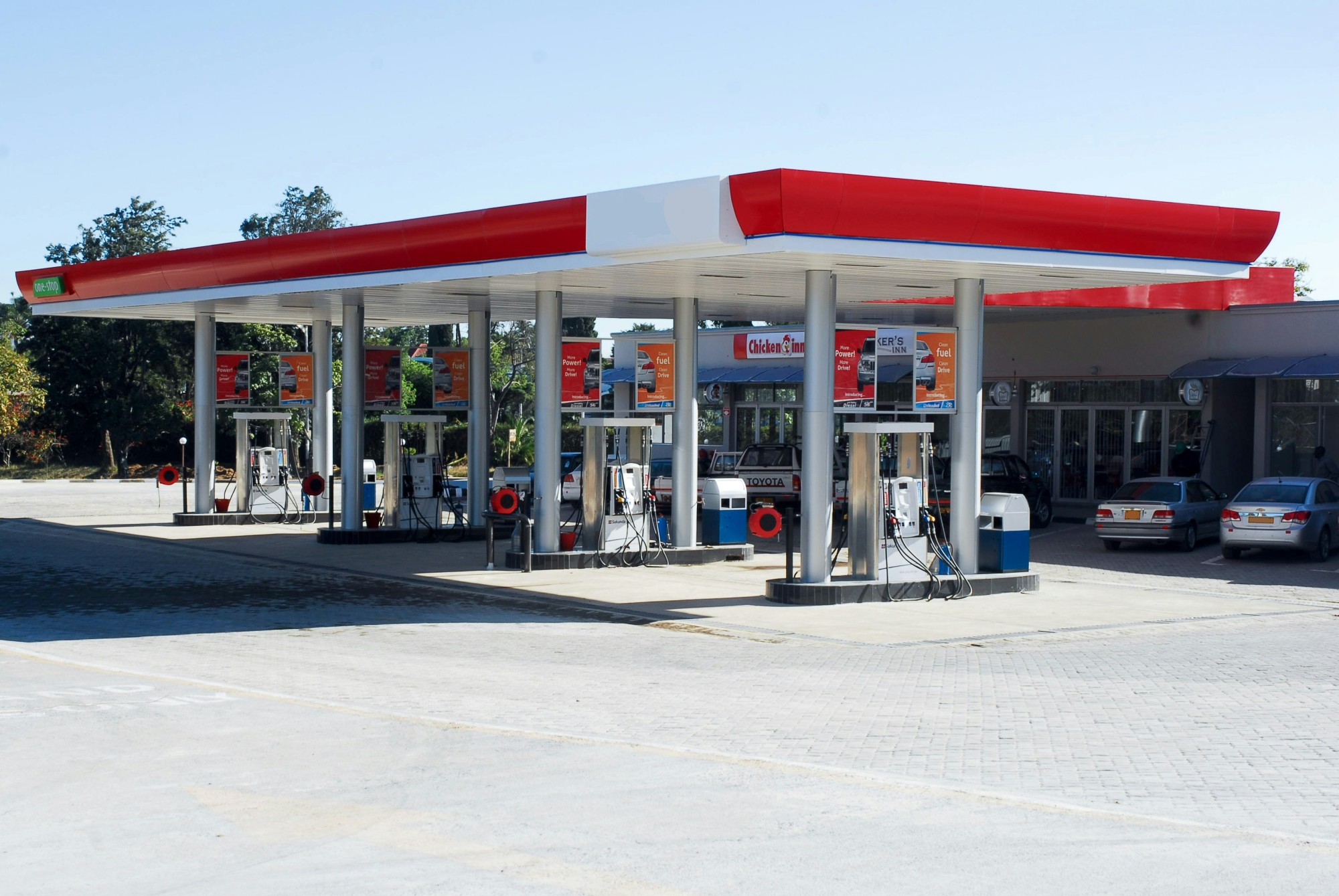
Three weeks ago, the fuel cost of the Iran war was $660 per household. It’s now $770 — and diesel just shattered every price record in American history.
The war’s energy bill passed a grim milestone this week. American consumers have now paid an extra $100.9 billion on gasoline and diesel since the conflict began at the end of February, according to the Brown University Iran War Energy Cost Tracker. That’s $770 per U.S. household — and the figure is growing faster, not slower.
When we reported this number on August 21, it was $87 billion. In 18 days, it grew by $13.9 billion — roughly $106 per household added in less than three weeks. The acceleration means the cost isn’t stabilizing despite ceasefire talks. It’s compounding.
The gasoline side is painful but familiar. The national average hit $4.15 per gallon this week — the most expensive Labor Day on record, up from $2.98 before the war started. Americans have collectively paid $55 billion more for gasoline alone — an average of $422 per household.
But diesel is where the real crisis is building.
The national average price of diesel hit $5.90 per gallon — an all-time record, surpassing the previous high set during the Russia-Ukraine shock in 2022. Diesel has risen more than 60% this year alone, making it the largest annual percentage increase since AAA began tracking diesel prices in 2000. In California, diesel has reached $7.83 per gallon and is approaching $8.
“Some pumps aren’t even built to display what could come next.” GasBuddy’s Patrick De Haan said.
Diesel matters to every household — not because you pump it, but because everything you buy traveled on it. Trucks, trains, tractors, and boats run on diesel. When diesel hits record prices, the cost embeds in groceries, building materials, consumer goods, and anything delivered to a store or a doorstep. Americans have spent an extra $46 billion on diesel — roughly $348 per household — and that number captures only the direct fuel cost, not the downstream inflation it creates.
The supply problem is structural. Three of the world’s four major refining hubs — the Middle East, Russia, and China — are offline or constrained due to war and export restrictions. U.S. Gulf Coast refineries are running at maximum capacity to compensate, but they can’t replace the lost global output alone.
“This is a quiet but very, very concerning crisis right now. Consumers across the country are gonna pay a fortune.” Tom Kloza, chief energy adviser at Gulf Oil, said.
Goldman Sachs raised its December Brent crude forecast to $85 per barrel this week and warned that prices could top $120 if Gulf production remains below pre-war levels. Brent is currently flirting with $100 — a level it hasn’t sustained since July.
The August Consumer Price Index, due Friday, is projected to show inflation at 3.4% — still well above the Fed’s 2% target. The Federal Reserve meets next week, and the energy-driven inflation is expected to factor heavily into the decision on whether to raise interest rates.
Three weeks ago, the war had cost your household $660 in fuel. Today it’s $770. At the current pace of acceleration, it will cross $900 before Thanksgiving. The number on the pump is the number the war put there — and it’s not done climbing.