Lifestyle
The Joint Damage That Comes From Not Moving Enough After 50
By Curtis Jones · September 11, 2026
Your doctor told you to rest the knee. You stopped walking as far, stopped climbing stairs when you could take the elevator, stopped doing anything that made it hurt. The pain eased. The joint got worse.
Articular cartilage — the smooth tissue covering the ends of your bones inside every joint — has no blood supply of its own. It gets its nutrients from synovial fluid, which is pumped through the cartilage only when the joint moves under load. When you stop moving a joint regularly, the cartilage starves. When you stop loading it — standing, walking, climbing — the muscles that stabilize it weaken, the surrounding tissue stiffens, and the cartilage thins.
Less movement means less nutrition to the cartilage. Unlike muscle and bone, cartilage doesn’t receive nutrients through blood vessels. It relies on a mechanical pumping action — compression and release during weight-bearing activity — to draw synovial fluid into the tissue. Without regular movement, the cartilage receives fewer nutrients, waste products accumulate, and the tissue begins to degrade. Sitting all day isn’t just bad for your heart. It’s starving your joints.
The muscles protecting the joint atrophy first. The quadriceps, hamstrings, and gluteal muscles act as shock absorbers for your knees and hips. When you reduce activity, these muscles weaken — sometimes losing 3% to 8% of their mass per decade after 50. Weakened muscles transfer more impact directly to the joint surfaces, accelerating the cartilage damage that reduced activity was supposed to prevent.
Stiffness isn’t just “getting older” — it’s the joint losing range. A joint that isn’t taken through its full range of motion regularly develops adhesions in the joint capsule and shortening in the surrounding tendons and ligaments. The stiffness most people accept as aging is often a reversible loss of mobility caused by disuse. The less you move, the less the joint allows you to move — creating a cycle that accelerates decline.
The research is clear: moderate activity protects joints, not damages them. A 2025 meta-analysis in the Journal of Global Health found that sedentary behavior is a substantial risk factor for knee osteoarthritis progression, while moderate physical activity — walking, cycling, swimming, low-impact strength training — was consistently associated with slower cartilage degradation and better joint function. The old advice to “rest and protect” a painful joint has been replaced by evidence that measured, consistent activity is the single most effective intervention for joint preservation.
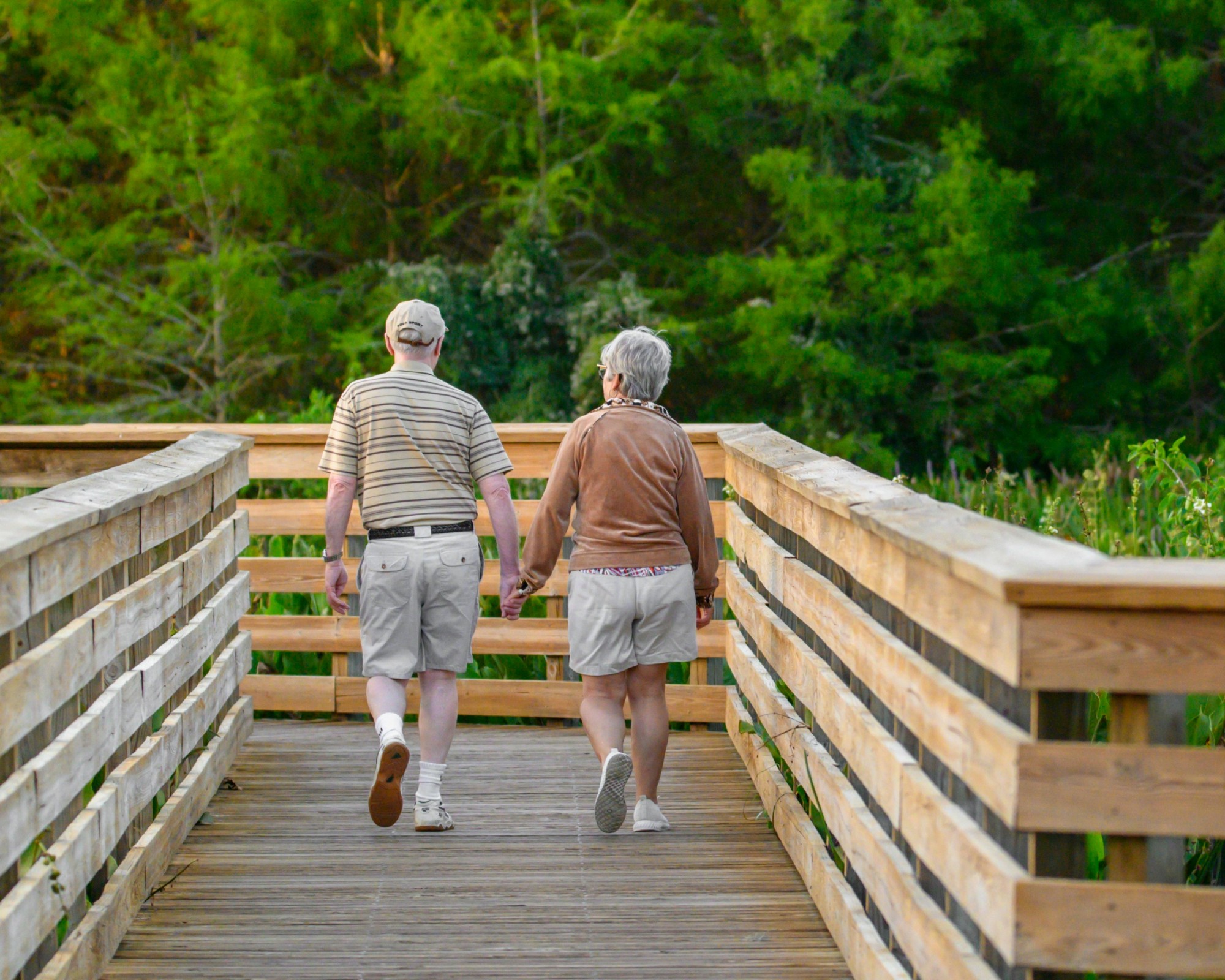
The fix is movement — but the right kind. High-impact activity (running on concrete, heavy jumping) can stress compromised joints. But low-impact, regular movement — 30 minutes of walking, water exercise, or cycling most days — provides the compression-release cycle your cartilage needs for nutrition, the load your muscles need for strength, and the range of motion your joint capsule needs to stay flexible.
The instinct to protect a sore joint by not using it is understandable. The biology says the opposite: a joint you stop using is a joint you’re losing.