Sports
Trump’s College NIL Order Faces a Legal Wall
By Curtis Jones · April 13, 2026
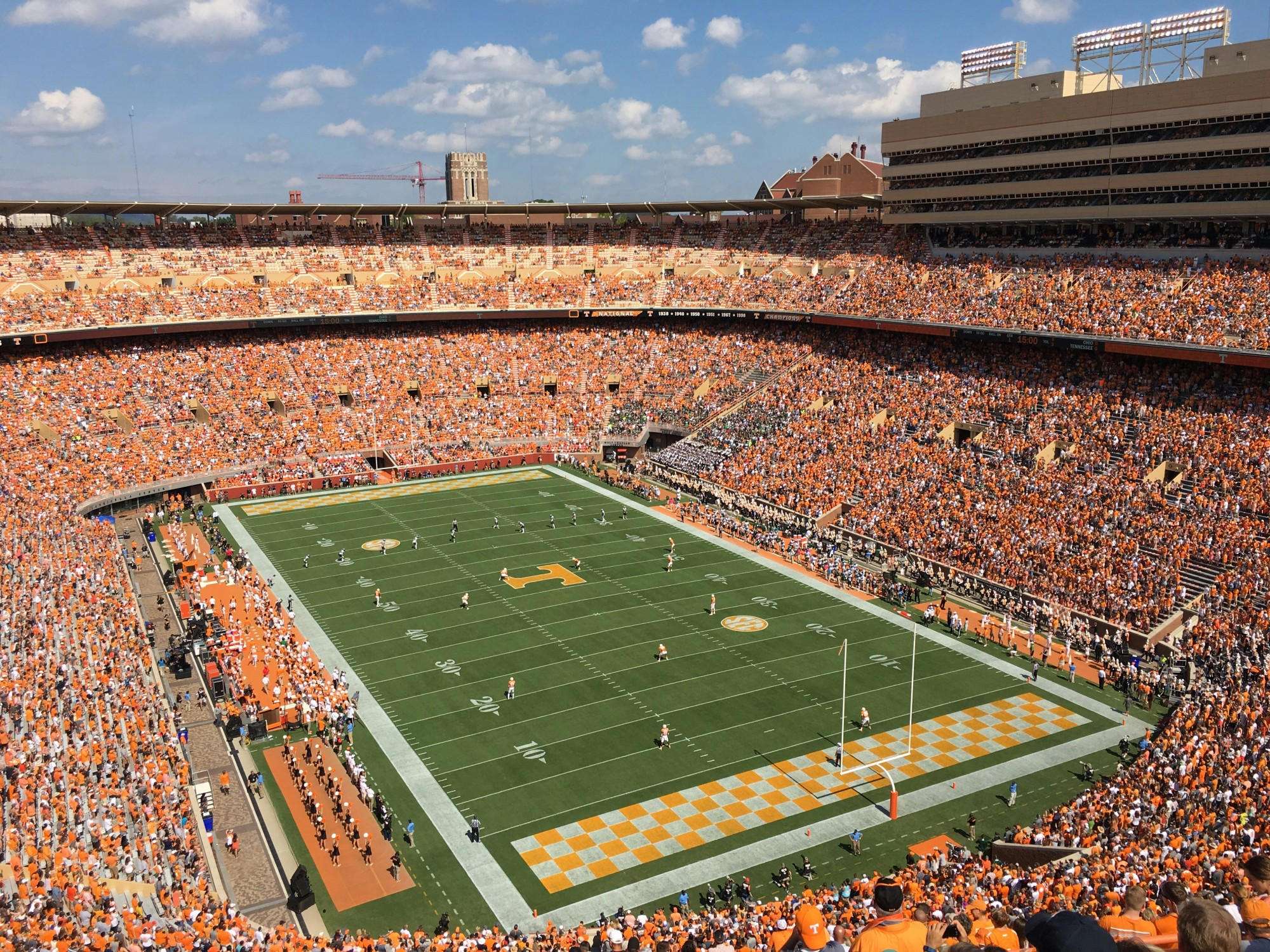
President Trump signed an executive order to reshape college sports. The coaches aren’t holding their breath.
The order — titled “Urgent National Action to Save College Sports” and signed April 3 — directs the NCAA to establish transfer restrictions, eligibility caps, and guardrails on NIL collectives by August 1, with federal funding consequences for schools that don’t comply. On paper it’s the most comprehensive federal intervention into college athletics to date. In practice, the sport’s insiders are skeptical it changes much before the courts weigh in.
“It changes absolutely nothing to me,” one SEC general manager told CBS Sports. His coaches called asking what the order meant. His answer: not much, unless Congress acts or courts uphold it.
The core provisions are significant if they hold. The order would limit athletes to a five-year participation window, allow only one transfer with immediate eligibility before graduation, prohibit professional athletes from returning to college rosters, and crack down on what it calls “fraudulent NIL schemes” — the booster-backed collectives that have become de facto recruiting tools for major programs. Schools generating at least $20 million in athletics revenue would be subject to the rules, effectively targeting Power Four programs.
The legal landscape is the problem. Courts have already struck down the NCAA’s one-time transfer rule on antitrust grounds, and an executive order can’t override existing federal or state law. Several states have their own NIL statutes that directly conflict with the order’s provisions. And as sports law attorneys have noted, the order is not self-executing — it directs the NCAA to act, but the NCAA is a private body not legally bound by presidential orders.
Trump himself acknowledged at a March roundtout at the White House that lawsuits were coming. He signed it anyway, and the NCAA praised the move. NCAA President Charlie Baker called it “a significant step forward.” Power Four commissioners lined up behind it and urged Congress to pass the SCORE Act — the legislation that would actually make these rules legally enforceable.
That’s the tell. The institutional support for the order is genuine — major conference commissioners have been watching the transfer portal swallow rosters and the NIL market spiral for years. But their endorsement comes with a caveat everyone understands: without legislation, the executive order is pressure, not law.
The August 1 deadline is real. What happens between now and then — in the courts, in Congress, and in the transfer portal — will determine whether this order becomes a turning point or another entry in a long list of failed reform attempts.
“I’ll believe all this when I see it,” a Big Ten general manager told CBS Sports. That about captures the mood.