Lifestyle
What the Bacteria in Your Gums Are Doing to Your Arteries
By Erica Coleman · September 14, 2026
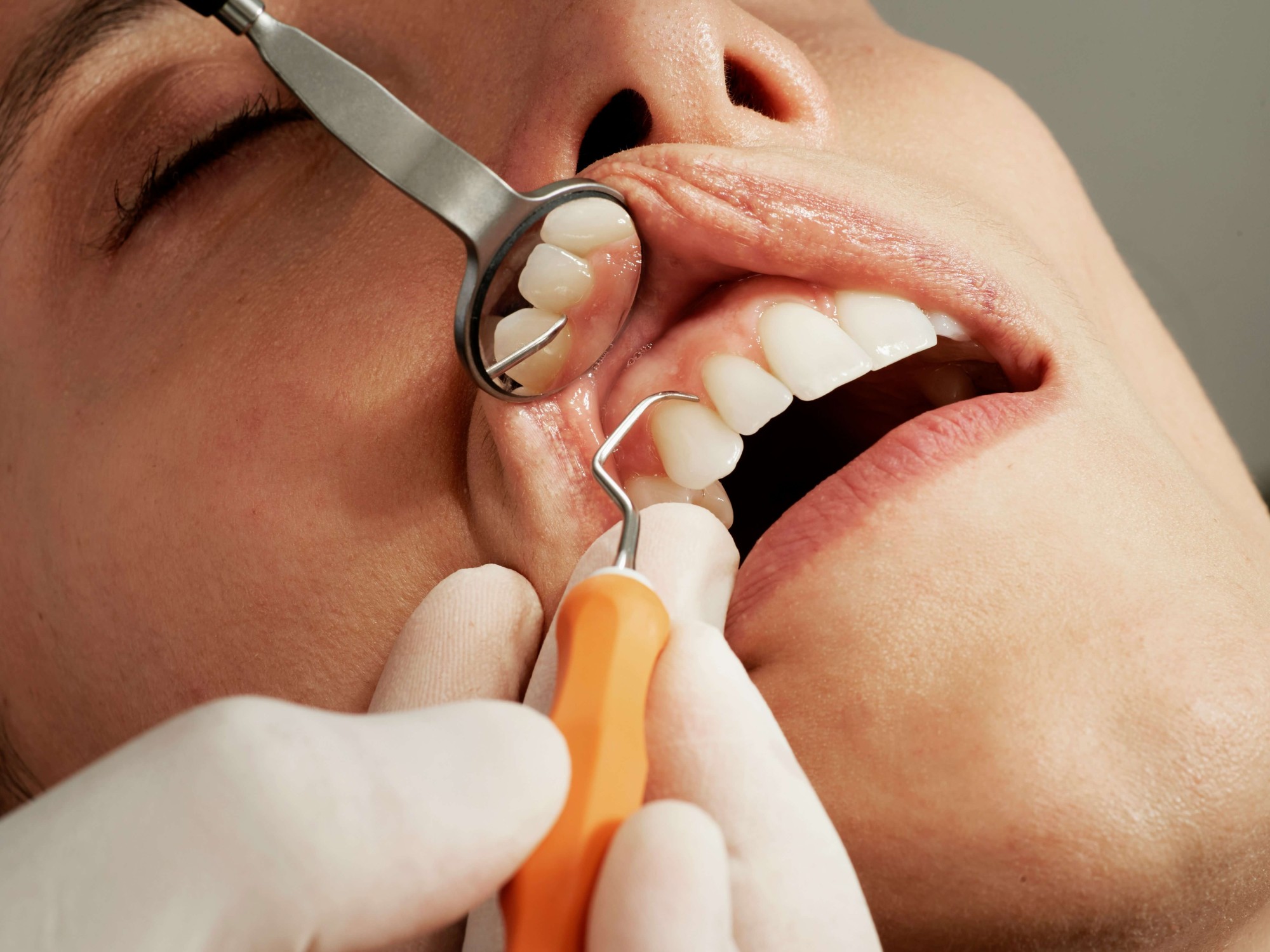
You haven’t been to the dentist in two years. Your gums bleed when you brush. You assume that’s normal. The American Heart Association just published a scientific statement saying it isn’t — and the connection between what’s happening in your mouth and what’s happening in your arteries is stronger than previously recognized.
Periodontal disease — chronic inflammation and infection of the gums and the bone supporting your teeth — affects 42% of American adults over 30, with nearly 8% experiencing severe disease. It’s also independently associated with an increased risk of heart attack, stroke, atrial fibrillation, and heart failure — a connection that has nothing to do with your teeth and everything to do with your blood.
The bacteria travel from your gums into your bloodstream. When gums are inflamed and infected, the tissue barrier that separates your mouth from your circulatory system breaks down. Oral bacteria enter the bloodstream through everyday activities — brushing, chewing, even swallowing — and once in the blood, they can trigger an inflammatory cascade that damages the lining of arteries throughout the body. A study found that people with moderate to severe gum disease are twice as likely to experience heart-related health problems compared to those with healthy gums.
The inflammation is systemic — not just in your mouth. Periodontal disease produces chronic low-grade inflammation that elevates C-reactive protein and other inflammatory markers associated with cardiovascular risk. It’s the same type of systemic inflammation that drives atherosclerosis — the buildup of fatty plaque in your arteries. Your gums are inflamed. Your arteries may be too. The mechanism connecting them is the inflammatory response your immune system mounts against the bacteria your mouth can’t contain.
Treating gum disease improves cardiovascular markers. The AHA’s 2025 scientific statement reviewed evidence showing that effective treatment of periodontal disease reduced markers of systemic inflammation and improved some intermediate cardiovascular risk factors, including blood pressure and HDL cholesterol. The implication is direct: fixing your gums may lower your cardiac risk — not because the teeth matter to your heart, but because eliminating a chronic source of inflammation reduces the burden on your cardiovascular system.
The populations most affected overlap almost perfectly. Severe periodontal disease is more common among older adults, smokers, people with diabetes, and lower-income populations — the same populations that carry the highest burden of cardiovascular disease. The AHA noted that this overlap goes beyond shared risk factors and represents an independent association. Having gum disease doesn’t just correlate with heart disease. It may contribute to it.
Your cardiologist doesn’t ask about your gums — and your dentist doesn’t check your blood pressure. The AHA’s statement explicitly called for closer collaboration between dental and medical professionals. Periodontists are now being urged to coordinate with cardiologists for patients at elevated cardiovascular risk. But in practice, the two fields remain siloed. Your dentist doesn’t know your cholesterol numbers. Your cardiologist doesn’t know your gums are bleeding. The connection between the two conditions falls into a gap between disciplines that neither side has fully bridged.
The bleeding gum you’ve been ignoring isn’t just a dental problem. It may be a cardiovascular warning signal hiding in the last place most people think to look.