Lifestyle
5 Foods Cardiologists Say You Should Eat Every Day After 50
By Mike Harper · June 26, 2026
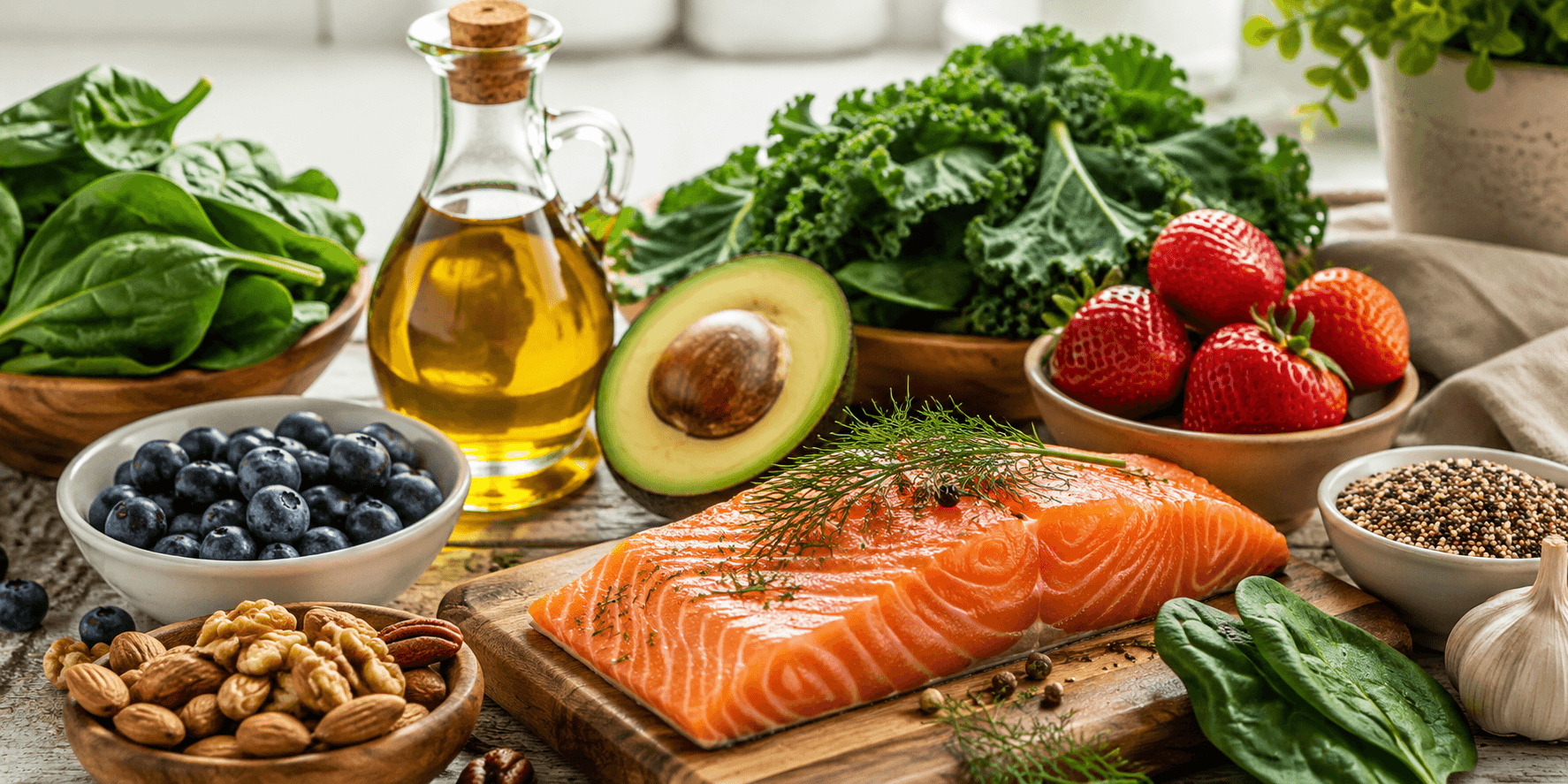
Heart disease is the leading cause of death in the United States. After 50, the risk accelerates — the American Heart Association estimates that more than half of all cardiovascular events occur in adults over 55. Cardiologists consistently say that what you eat every day matters more than any supplement, and that five specific foods have the strongest evidence base for reducing cardiovascular risk.
1. Fatty fish — at least twice a week
Salmon, mackerel, sardines, and herring are the richest dietary sources of omega-3 fatty acids, which reduce triglycerides, lower blood pressure, and decrease the risk of irregular heartbeat. The AHA recommends two servings per week. People who eat fatty fish regularly have measurably lower rates of sudden cardiac death than those who don’t.
2. Leafy greens — one cup daily
Spinach, kale, and collard greens are rich in vitamin K, nitrates, and folate — all of which support vascular function. Dietary nitrates in leafy greens help relax blood vessels and improve blood flow. One cup per day — raw in a salad or cooked as a side — has been associated with a 15% reduction in cardiovascular disease in large population studies.
3. Berries — a handful daily
Blueberries, strawberries, and raspberries are concentrated sources of anthocyanins — antioxidants that reduce arterial stiffness and lower blood pressure. A 2023 meta-analysis found that people who ate berries at least three times per week had significantly lower rates of heart attack and stroke. Fresh or frozen, the benefit is the same.
4. Oats — three to four times per week
Oats contain beta-glucan, a soluble fiber that binds cholesterol in the digestive tract and removes it from the body before it enters the bloodstream. Three grams of beta-glucan per day — approximately one and a half cups of cooked oatmeal — has been shown to reduce LDL cholesterol by 5 to 10%. The effect is modest but consistent and additive with other dietary changes.
5. Olive oil — as your primary cooking fat
Extra virgin olive oil is the cornerstone of the Mediterranean diet and the single most studied dietary fat in cardiovascular research. Its polyphenols reduce inflammation, improve endothelial function, and lower LDL oxidation. Replacing butter, vegetable oil, or canola oil with olive oil for everyday cooking is the simplest dietary swap most cardiologists recommend — and the one with the most evidence behind it.
No single food prevents heart disease. But these five, eaten consistently as part of a diet that limits processed foods, added sugars, and excess sodium, reduce the modifiable risk factors that drive the majority of cardiovascular events after 50. The best time to start is before you need to.