Lifestyle
5 Signs of Dehydration Most People Miss in the Summer
By Erica Coleman · June 27, 2026
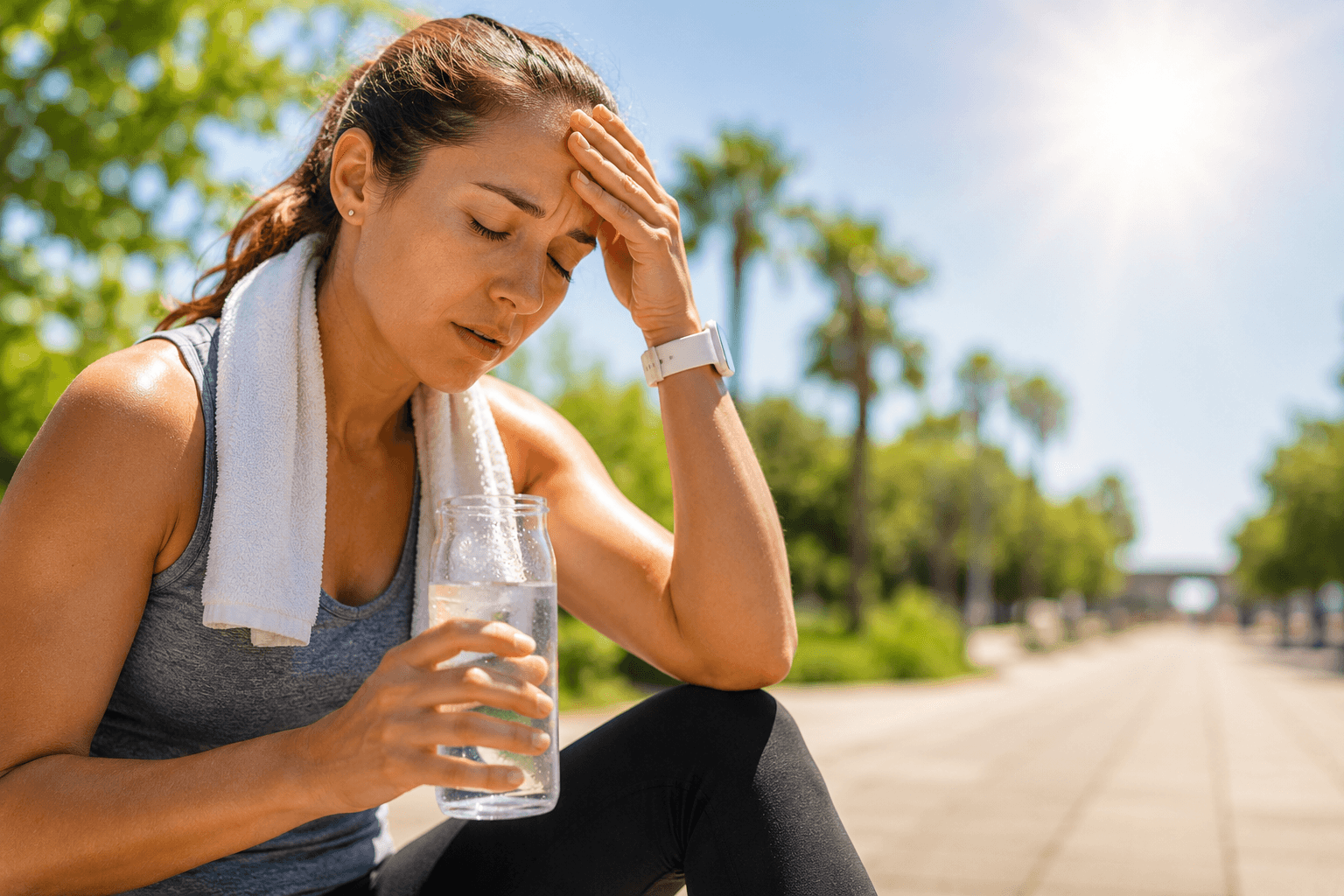
By the time you feel thirsty, you’re already mildly dehydrated. That’s the problem. Thirst is not an early warning — it’s a late one. And in adults over 50, the thirst signal weakens further, which is why dehydration-related emergency room visits spike every summer in the 65+ population.
1. Dark yellow or amber-colored urine
The simplest hydration check is the one most people ignore. Pale straw-colored urine indicates adequate hydration. Dark yellow or amber urine means you need water now. If you haven’t urinated in several hours on a hot day, that’s also a signal — your kidneys are conserving fluid because there isn’t enough coming in.
2. A headache that builds slowly through the afternoon
Dehydration headaches are one of the most common and most misattributed symptoms of fluid loss. They typically start as a dull pressure that builds through the afternoon — especially on days when you’ve been outside, exercising, or simply not drinking enough. Most people reach for ibuprofen. The better first move is a glass of water. If the headache improves within 30 minutes of drinking 16 ounces, dehydration was likely the cause.
3. Fatigue and brain fog that feel disproportionate to your activity
Even mild dehydration — a loss of just 1-2% of body weight in fluid — can produce measurable declines in energy, concentration, and mood. The fatigue feels systemic rather than muscular. You’re not sore — you’re drained. The brain fog manifests as difficulty focusing, forgetting what you walked into a room for, or struggling to follow conversations. Most people attribute this to a bad night’s sleep or stress.
4. Muscle cramps — especially in the calves and feet
Dehydration depletes electrolytes — sodium, potassium, magnesium — that regulate muscle contraction. When those electrolytes drop, muscles can cramp, twitch, or spasm, particularly in the calves, feet, and hands. If you’re getting cramps during or after time in the heat, the issue is likely not stretching — it’s fluid and electrolyte loss.
5. Dry skin that doesn’t bounce back when you pinch it
The skin turgor test takes two seconds. Pinch the skin on the back of your hand and let go. If it flattens back immediately, you’re adequately hydrated. If the skin stays tented or takes several seconds to flatten, that’s a clinical sign of dehydration that doctors use in emergency rooms. It’s not perfectly accurate in older adults — skin elasticity decreases with age regardless — but it’s a useful quick check alongside the other symptoms on this list.
The general recommendation is 8 cups of water per day, but that number increases significantly in heat, during exercise, and with age. In summer, especially for adults over 50, proactively drinking water before feeling thirsty is the most important habit you can build. Don’t wait for the signal. The signal arrives too late.