Lifestyle
5 Signs Your Blood Pressure Is Too High Without Knowing It
By Erica Coleman · July 24, 2026
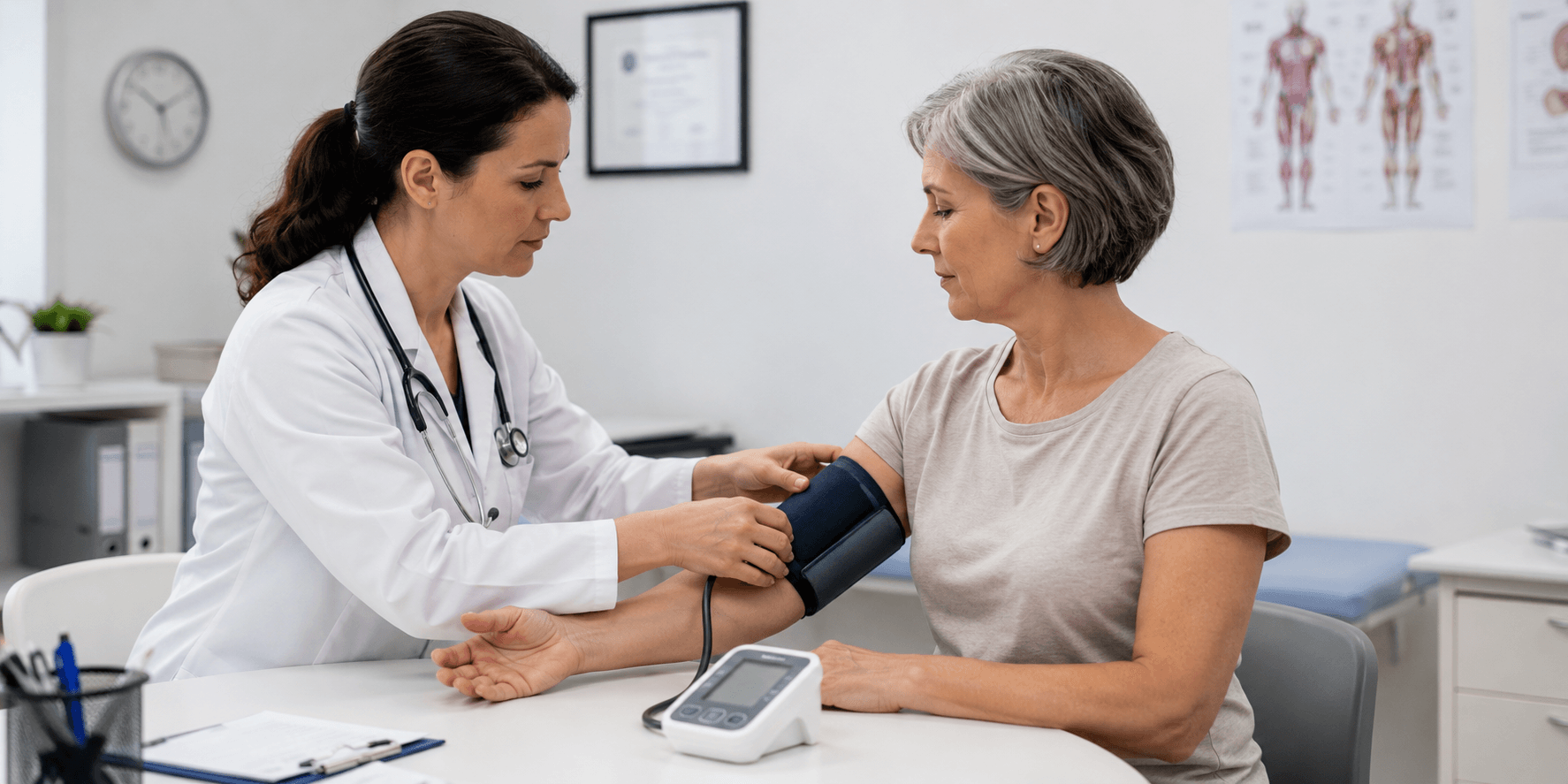
Most people with high blood pressure feel completely fine. That’s the problem.
According to the CDC, nearly half of American adults have hypertension — and most have no idea. The condition earned its nickname, the silent killer, precisely because it typically produces no obvious symptoms while quietly damaging arteries, the heart, kidneys, and brain over years. By the time most people find out they have it, the damage has already been building for a long time.
“Elevated blood pressure can cause endothelial damage over time and that leads to plaque buildup in your heart arteries.” Dr. Sergiu Darabant, a cardiologist with Baptist Health Miami Cardiac and Vascular Institute, said. The only reliable way to know your blood pressure is to measure it. But there are signals — subtle, easy-to-dismiss ones — that cardiologists say are worth taking seriously.
Headaches that appear early in the morning, particularly at the back of the skull. This is one of the few physical signs that high blood pressure can occasionally produce, and it tends to show up when pressure is elevated overnight. A dull, persistent ache concentrated at the back of the head upon waking — not a tension headache across the forehead, and not a migraine — is the pattern cardiologists describe as most associated with hypertension. Most people attribute it to poor sleep, stress, or dehydration. Most of the time they’re right. But when the headache is regular, morning-specific, and accompanied by other signs on this list, it’s worth mentioning to a doctor.
Dizziness or lightheadedness that comes on without obvious cause. “When it gets real bad, you can have symptoms such as lightheadedness, bad headaches, dizziness, and sometimes even shortness of breath or chest pains.” Dr. Darabant said. These symptoms are most likely to appear when blood pressure spikes suddenly rather than gradually — a hypertensive episode rather than chronic elevation. But they’re also easy to attribute to other things, which is exactly why they tend to get dismissed.
Blurred or changed vision, particularly when it appears suddenly. High blood pressure can damage the small blood vessels in the eyes — a condition called hypertensive retinopathy — and in severe cases can cause sudden changes in vision. Blurred vision that comes on without an obvious explanation, or that appears alongside a headache or chest discomfort, is a symptom the American Heart Association specifically flags as warranting immediate medical attention rather than a wait-and-see approach.
A pounding or irregular sensation in the chest or neck. Some people with elevated blood pressure notice what they describe as a feeling of their heartbeat in their chest or neck — not pain, but a heightened awareness of the heart working harder. This can also present as a pounding sensation in the ears. It’s easily attributed to caffeine, anxiety, or exercise. Doctors say it’s worth noting if it appears consistently at rest.
Fatigue that doesn’t improve with rest — particularly combined with any of the above. The NCOA notes that persistent fatigue is among the subtle signs that can accompany elevated blood pressure, and like most of the signs on this list, it’s easy to explain away. The pattern that matters is when it appears alongside other symptoms — not fatigue alone, but fatigue plus morning headaches, or fatigue plus occasional dizziness.
The uncomfortable truth about all five of these signs is that most people who experience them don’t have dangerously high blood pressure. They have stress, poor sleep, dehydration, or any of a dozen other explanations. But for the roughly half of American adults who actually have hypertension and don’t know it, these are the signals that might, eventually, prompt the blood pressure check that catches it.
A standard blood pressure reading takes less than two minutes. Adults over 40 who haven’t had one in the past year should ask for one at their next appointment — or use a pharmacy kiosk today.