Lifestyle
5 Signs Your Roof Needs Replacing Before Fall
By Curtis Jones · July 12, 2026
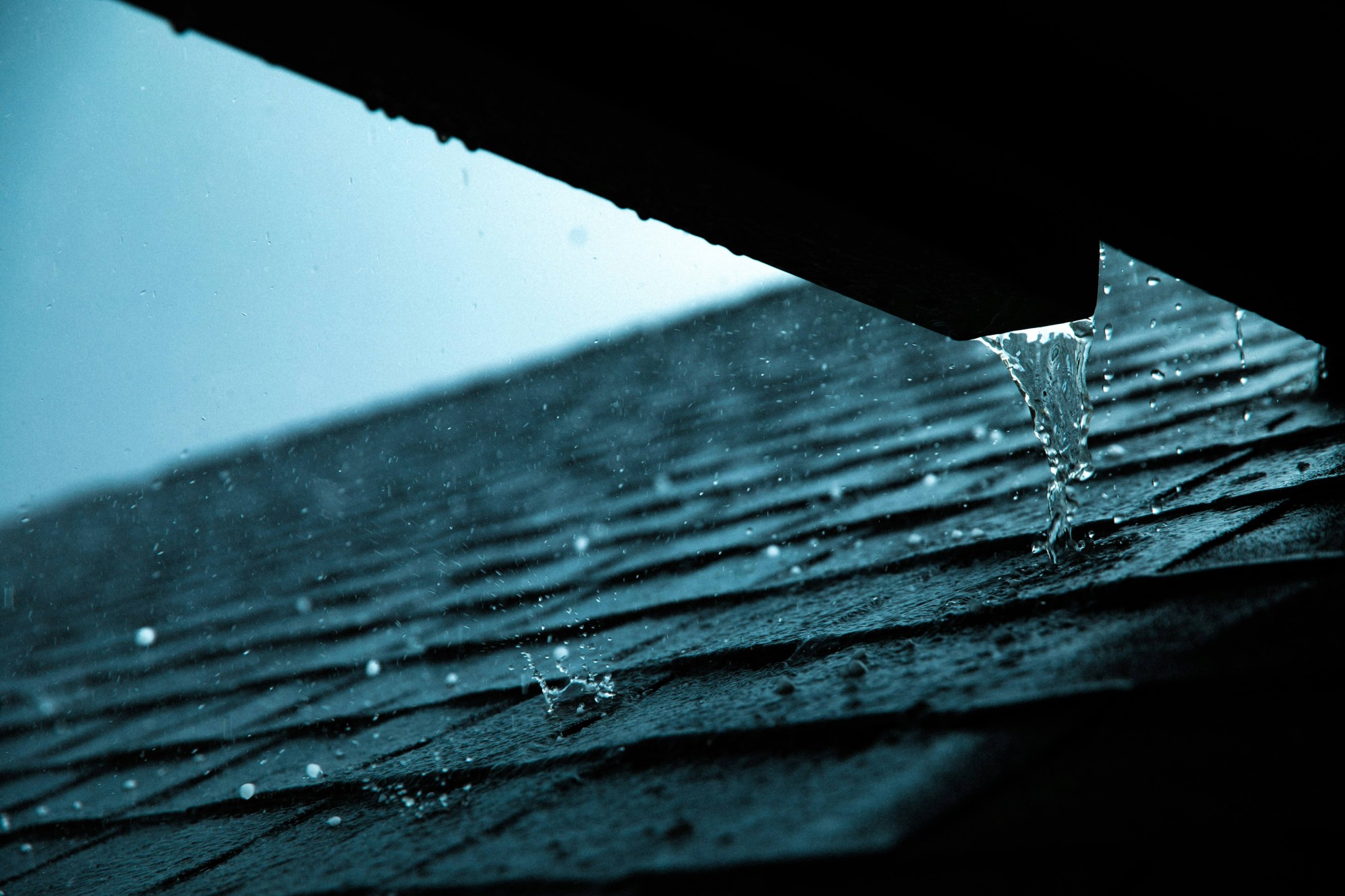
Most asphalt shingle roofs last between 20 and 30 years — but the signs that yours is failing usually show up long before it collapses, if you know where to look.
Fall is widely considered the ideal season for roof replacement: moderate temperatures let shingles seal properly, and drier weather means fewer delays. That makes late summer the right time to check whether your roof will make it through another winter, or whether it’s time to call someone before the season gets busy. Here’s what roofing professionals and insurers say to watch for.
Granules collecting in your gutters. Asphalt shingles are covered in small mineral granules that shield the material underneath from UV damage and help shed water. Losing a few over time is normal wear. But if you’re finding a significant buildup of gritty, dark granules in your gutters or downspouts, that’s a sign the shingles beneath them are wearing thin and losing their ability to protect your home.
Curling, cracking, or buckling shingles. Shingle edges that curl upward or downward, known as cupping and curling, typically signal moisture damage, poor attic ventilation, or a roof simply reaching the end of its useful life. Once shingles lose their flexibility, they can no longer seal properly against wind-driven rain — which means a roof that looks mostly intact from the ground can still be letting water in.
A sagging roofline. This one shouldn’t wait. A dip or wave anywhere along your roofline usually points to structural damage in the decking underneath, often from prolonged moisture exposure that has weakened or rotted the wood. The Insurance Institute for Business & Home Safety includes sagging among the clearest signs a roof needs professional attention immediately, since the condition can worsen quickly and pose a genuine safety risk.
Leaks that keep coming back. A single leak near a chimney or vent can often be repaired without replacing the whole roof. But leaks that reappear repeatedly, especially in different spots, usually mean the roof’s underlying water-shedding system has broken down more broadly — and patching one area at a time will just mean calling a roofer again next season.
Daylight visible through the attic, or a roof approaching 20 years old. If you can see light coming through the roof boards from inside your attic, that’s an unmistakable sign of gaps that need immediate attention. Age matters too: even a roof with no obvious damage may be living on borrowed time once it approaches or passes the upper end of its expected lifespan, and insurers note that waiting until it visibly fails is riskier and more expensive than replacing it proactively.
The financial case for catching these signs early is straightforward. Roof repairs average around $1,100, while a full replacement averages closer to $9,400 — a gap that widens considerably if a slow leak has already caused water damage, mold, or rotted decking inside the home. Homeowners insurance typically covers roof damage from a specific event like wind, hail, or a falling tree, but it generally doesn’t cover replacement due to ordinary age-related wear, which is exactly why catching the signs before they become emergencies matters.
If more than one of these signs shows up at once, that’s usually the roof telling you repairs alone won’t cut it anymore. A professional inspection — ideally before the fall rush, when roofers are booked solid — gives you the most control over timing, contractor choice, and cost.