Lifestyle
5 Things Emergency Doctors See Every Fourth of July That Are Entirely Preventable
By Erica Coleman · July 4, 2026
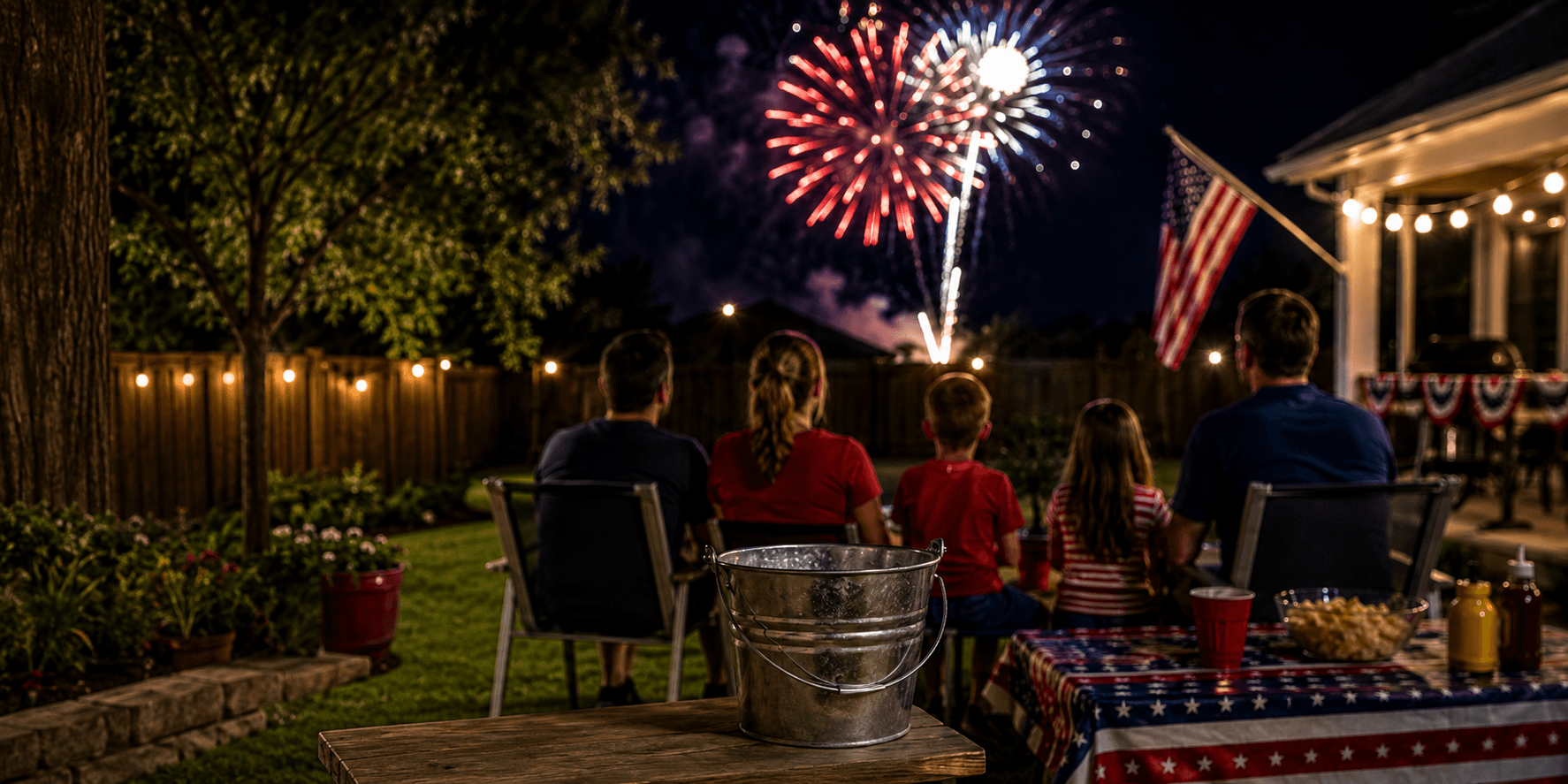
The Fourth of July generates more emergency room visits than any other day of the year. ER departments staff up for it the way they staff up for nothing else. The injuries they treat are not freak accidents — they are the same five things, year after year, all of them preventable.
1. Hand and finger injuries from fireworks
The hands account for the largest category of firework injuries treated in emergency rooms — burns, lacerations, and amputations from devices that exploded in the hand or were held too long. The mechanism is almost always the same: someone holds a firework they should have placed on the ground, or picks up a “dud” that reignites. ER doctors say the most severe hand injuries come from mortars and M-80s. The least severe — but most common — come from sparklers held by children.
2. Burns from grills — especially propane ignition
Gas grill ignition failures account for a spike in burn injuries every Fourth of July. The sequence: the grill doesn’t light on the first try, gas accumulates inside the grill body, and the second or third attempt produces a fireball that burns the face, arms, and hands. The fix: if a gas grill doesn’t ignite within five seconds, turn off the gas, open the lid, and wait five minutes before trying again.
3. Alcohol-related falls and injuries
The combination of alcohol, heat, outdoor stairs, pool decks, docks, and uneven terrain produces a surge of fall injuries every holiday weekend. Broken wrists, ankle fractures, and head injuries from falls on wet pool decks are among the most common. Dehydration accelerates alcohol impairment in the heat — meaning the same number of drinks hits harder on a 95-degree afternoon than it would indoors.
4. Heat-related illness
July 4th cookouts and outdoor events in temperatures above 90°F produce heat exhaustion and heat stroke cases every year. The early symptoms — heavy sweating, weakness, nausea, dizziness — are frequently attributed to too much food or alcohol rather than overheating. If someone at your gathering becomes confused, stops sweating, or has hot red skin, that is heat stroke — a medical emergency. Move them to shade, apply cool water, and call 911.
5. Near-drowning incidents
The Fourth of July is one of the deadliest days of the year for drowning — particularly for children under 5 in backyard pools during parties. Drowning is the leading cause of death for children 1 to 4, and 69% of young children who drown were not expected to be in or near the water when it happened. At a crowded party, adults assume someone else is watching the pool. Nobody is. Designate a specific adult as water watcher for each 30-minute shift. That person does nothing else — no phone, no food, no conversation. Just watches the water.
Every one of these injuries has a simple prevention. Place fireworks on the ground. Wait before relighting a gas grill. Drink water between drinks. Stay in the shade. Watch the pool. The ER will be there if you need it. The goal is to not need it.