Lifestyle
6 Things Your Auto Body Shop Hopes You Never Find Out After an Accident
By Curtis Jones · August 12, 2026
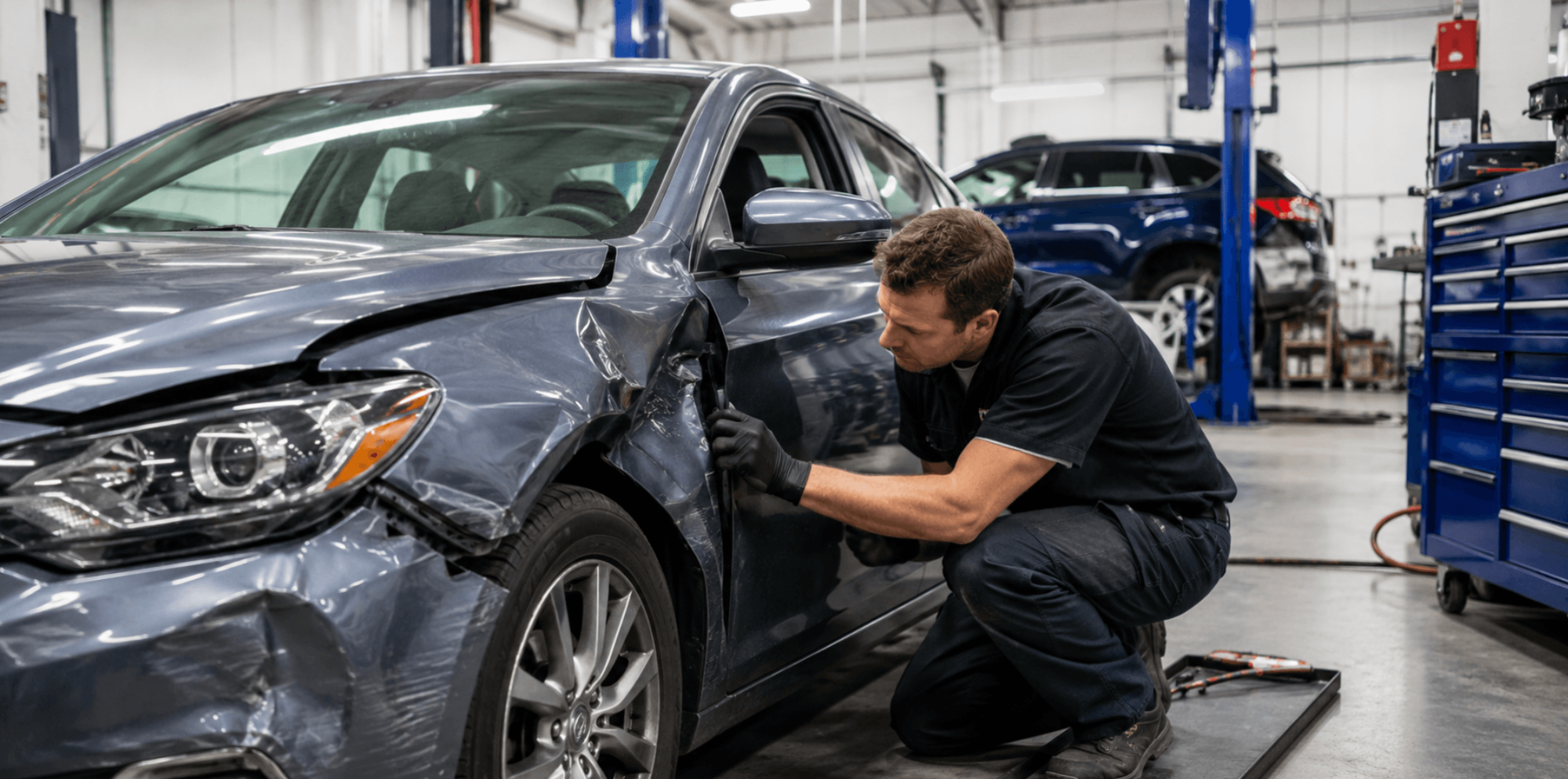
Your car was just in an accident. You’re shaken, you need it fixed, and you’ll agree to almost anything to get it back. The body shop knows that.
Auto body shop fraud costs American consumers an estimated $40 billion per year in fraudulent, inflated, or unnecessary repairs, according to the National Insurance Crime Bureau. The dynamic is predictable: you’re stressed, the damage looks expensive, and the shop is the expert. Here’s what they hope you never check.
You pick the shop — not your insurance company. This is the single most important fact most drivers don’t know. Your insurance company cannot force you to use a specific repair facility. They may “recommend” or “prefer” certain shops — called Direct Repair Program shops — but those shops have agreements with the insurer that can create conflicts of interest. A DRP shop may agree to use cheaper parts or cut corners to maintain its relationship with the insurer. Choosing your own shop puts control back in your hands.
They may charge for OEM parts and install aftermarket. Original Equipment Manufacturer parts are made by the vehicle’s manufacturer. Aftermarket parts are made by third parties and cost significantly less. Some shops bill for OEM parts and install aftermarket or used parts instead, pocketing the difference. Ask for the old parts back and compare the part numbers on your invoice to what was actually installed. If you specified OEM in your claim, the shop is obligated to use them.
The initial estimate often grows — by design. Some shops lowball the estimate to win your business, then call with “additional damage found” once disassembly begins. While discovering hidden damage is legitimate in many cases, a pattern of dramatically escalating estimates is a red flag. Getting two or three written estimates before choosing a shop — and asking each shop how they handle supplemental damage — protects against this.
“Waiving your deductible” is a sign of fraud. A shop that offers to “cover your deductible” is almost always inflating the repair estimate submitted to your insurance company to absorb that cost. This is insurance fraud, and if the insurer discovers it, your claim can be denied and your premiums can increase. A legitimate shop charges what the repair costs. If the total is below your deductible, you pay out of pocket.
Paint and color-match quality varies enormously. A repainted panel that doesn’t match the rest of the car, or clear coat that peels within a year, is a sign of rushed or substandard work. Quality shops use computerized color-matching systems and offer written warranties on paint work. Ask about the warranty before authorizing any paint repair — a shop that won’t guarantee its finish for at least two years may not be confident in the quality.
The repair timeline is leverage — and they know it. The longer your car sits in the shop, the more you need it back. Some shops take on more work than they can handle, pushing your repair back while your rental car coverage runs out. Ask for a written completion date before authorizing work. If the shop can’t commit to a timeline, they’re managing your expectations downward — and your frustration will make you accept whatever they deliver.
The moment after an accident is designed to make you compliant. The shop that counts on your stress is the one most likely to take advantage of it. Slowing down, getting multiple estimates, and knowing your rights costs nothing — and saves the most.