Lifestyle
5 Things Home Inspectors Say Are Instant Red Flags When Buying a House
By Erica Coleman · June 24, 2026
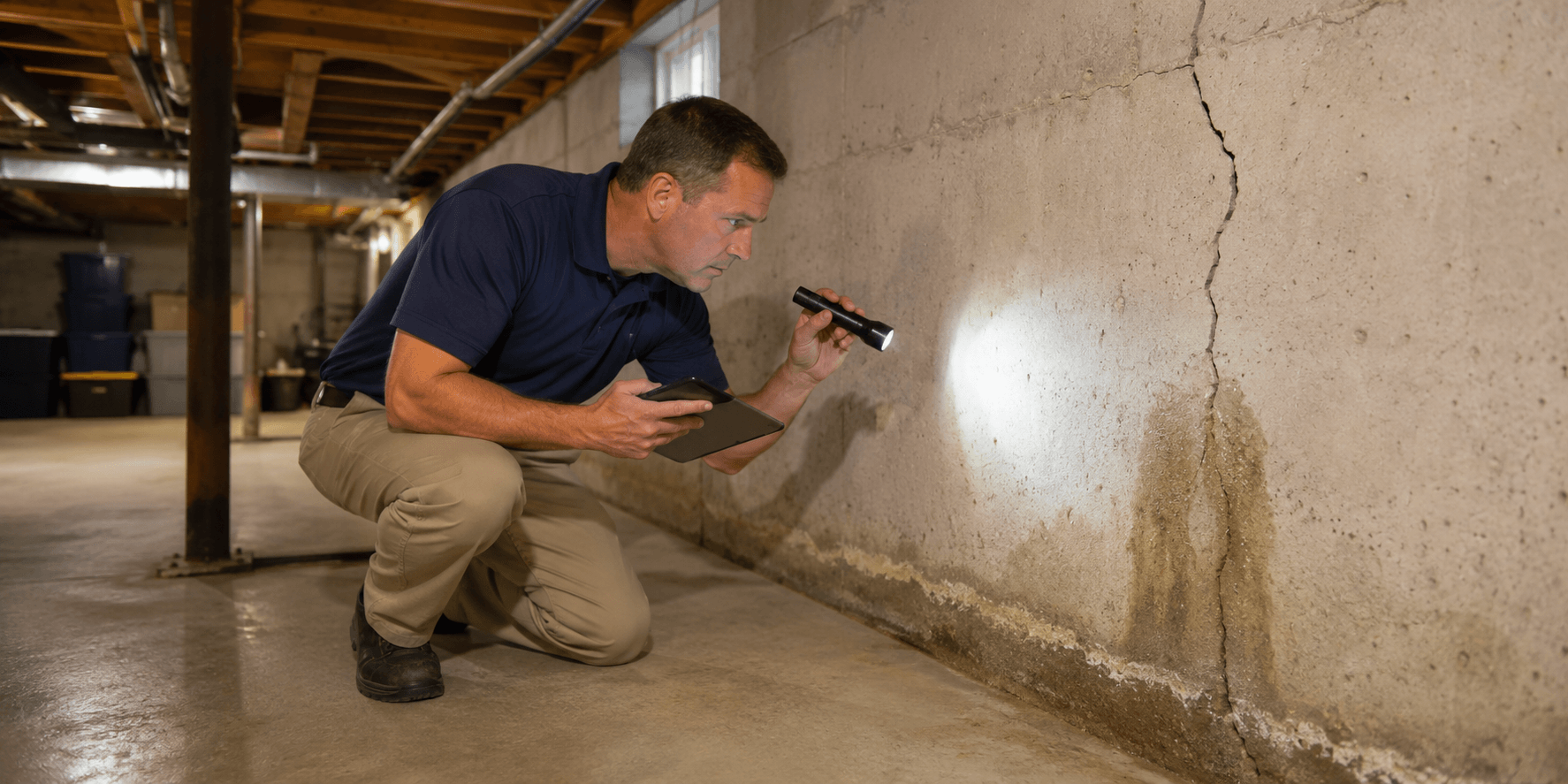
Home inspectors see hundreds of houses a year. Most have manageable issues — deferred maintenance, aging systems, cosmetic problems that are easy to fix. But a handful of findings are different. These are the ones that change the conversation from “here’s what needs attention” to “rethink whether you want this house at this price.”
1. Foundation cracks wider than a quarter inch
Hairline cracks in a foundation are normal — concrete settles and shifts. Cracks wider than a quarter inch, horizontal cracks, or stair-step cracks in block foundations are structural indicators that something is moving in a way it shouldn’t be. Foundation repair starts at $5,000 for minor work and can exceed $30,000 for serious stabilization. An inspector who sees significant foundation cracking will recommend a structural engineer’s evaluation before anything else happens.
2. Evidence of water intrusion in the basement or crawlspace
Water stains on basement walls, efflorescence (white mineral deposits) on concrete, standing water in the crawlspace, or a sump pump that runs frequently are all indicators that water is entering the foundation. Chronic water intrusion leads to mold, structural decay, and ongoing maintenance costs that never fully resolve unless the exterior drainage problem is corrected — which typically requires excavation around the foundation perimeter. It is one of the most expensive problems to fix properly.
3. An electrical panel that is a documented fire hazard
Federal Pacific Electric Stab-Lok panels, Zinsco panels, and panels with aluminum branch circuit wiring are all documented fire hazards that inspectors flag immediately. These panels were installed in millions of homes between the 1950s and 1980s and many remain in service. Insurance companies increasingly refuse to insure homes with these panels or charge significant surcharges. Replacement costs $2,000 to $4,000 — but the fire risk is the real issue.
4. Active roof leaks or a roof nearing end of life
An inspector on the roof is looking for missing shingles, damaged flashing, sagging decking, and signs of moisture penetration in the attic below. A roof with five or fewer years of remaining life is a negotiating point — replacement costs $8,000 to $25,000 depending on size and material. An active leak that has been causing damage to the attic structure or interior ceilings is a more serious problem because the damage extends beyond the roof itself.
5. Major plumbing issues — polybutylene pipe, sewer line problems, or galvanized steel
Polybutylene piping — gray plastic pipe installed in homes built between 1978 and 1995 — is prone to unexpected failure and is no longer approved by building codes. Galvanized steel pipes corrode from the inside over decades, reducing water pressure and eventually leaking. Sewer line problems — identified through a scope inspection — can include root intrusion, bellied sections, or deteriorated clay pipe. All three require significant remediation and all three are problems the seller may not have been aware of.
None of these findings mean you shouldn’t buy the house. All of them mean the price should reflect the cost of addressing them — and all of them should be evaluated by a specialist before closing.