Lifestyle
5 Things Most Homeowners Don’t Know About Their Property Tax Assessment
By Erica Coleman · August 8, 2026
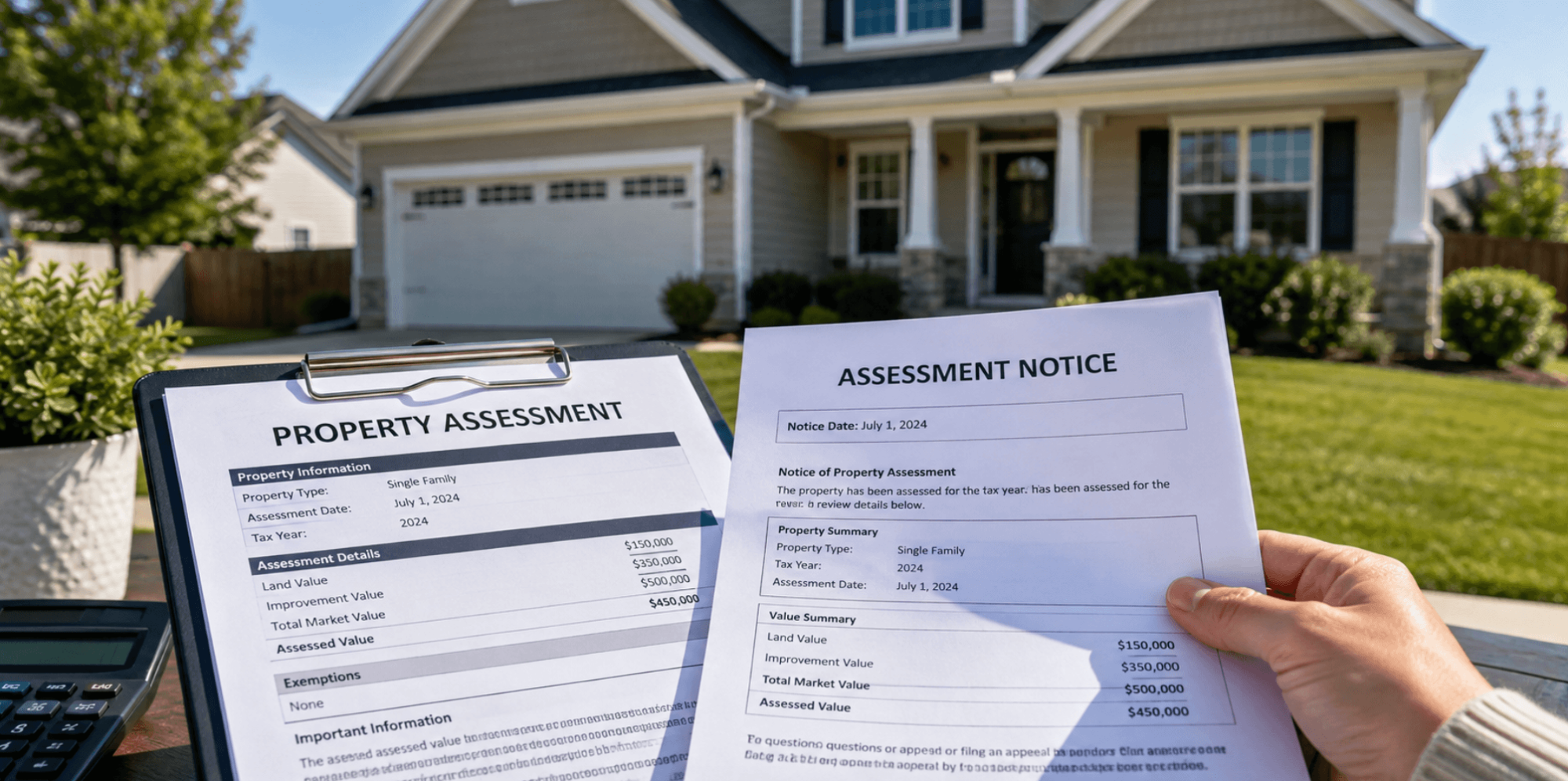
Your property tax bill is based on an assessed value. That value may be wrong — and challenging it is easier than most homeowners think.
Property taxes are the largest recurring expense most homeowners never question. The assessed value of your home determines the bill, and assessors make mistakes more often than people realize. Studies have estimated that 30% to 60% of properties are overassessed. Here’s what most homeowners don’t know.
Your assessed value isn’t the same as your market value. Assessors use mass-appraisal methods — algorithms that estimate values based on comparable sales, square footage, lot size, and neighborhood data. They don’t walk through your home. If the algorithm overestimates your home’s condition, features, or location premium, your assessment is too high and your tax bill reflects that error.
You have a limited window to appeal — and most people miss it. Every jurisdiction has a deadline to file a property tax appeal, typically 30 to 90 days after the assessment notice is mailed. Miss it and you’re locked into the assessed value for the entire tax year. Many homeowners throw the notice away without reading it, assuming the number is fixed. It isn’t.
Comparable sales are your strongest evidence. A successful appeal requires showing that your assessed value exceeds what similar homes in your area have actually sold for. Pulling three to five comparable sales from the past six to twelve months — same neighborhood, similar size, similar condition — and presenting them at the appeal hearing is the most effective strategy. Your county assessor’s office often has this data available for free.
Errors in the property record can inflate your assessment. Assessors maintain a property record card for every parcel. If that card shows a finished basement you don’t have, a bathroom that doesn’t exist, or square footage that was measured incorrectly, your assessment is based on a home that isn’t yours. Requesting your property record card and checking it against reality takes 10 minutes and can reveal errors worth hundreds in annual taxes.
Hiring a professional may not be worth it. Tax appeal consultants and property tax attorneys typically charge a contingency fee of 25% to 50% of the first year’s savings. If a successful appeal saves you $400 a year, you may pay $100 to $200 of that to the consultant. For straightforward cases — a clear data error or strong comparable sales — filing the appeal yourself costs nothing and the process is designed for homeowners without legal representation.
Your property tax bill is based on data. Data can be wrong. Checking it once a year, when the assessment notice arrives, is the simplest way to make sure you’re not paying taxes on a house that doesn’t match yours.