Lifestyle
5 Things You’re Paying Your Bank For That Should Be Free
By Erica Coleman · August 16, 2026
Your bank charges you $13.95 a month just to have a checking account. The bank across the street charges nothing. You’re paying because you haven’t switched.
Monthly maintenance fees on checking accounts hit a record high of $13.95 per month in 2025 — nearly $170 a year — according to a MoneyRates survey. Add overdraft fees, ATM fees, and paper statement charges, and a typical big-bank customer pays roughly $425 per year in avoidable fees. Every one of those charges can be eliminated by switching to an account that doesn’t charge them.
Monthly maintenance fees. A Chase checking account costs $144 per year in monthly fees if you don’t meet their minimum balance or direct deposit requirements. Capital One, Ally, Discover, SoFi, and Chime all offer checking accounts with zero monthly fees, no minimum balance, and no conditions to meet. The same basic service — holding your money and letting you spend it — costs $144 at one bank and $0 at another.
Overdraft fees. Fourteen of the largest U.S. banks reported increased overdraft fee income in 2025, costing consumers an estimated $2.99 billion collectively. The average fee is $26.77 per transaction. At least ten major banks and fintechs have eliminated overdraft fees entirely. If you’re still paying $35 every time your balance dips below zero, you’re at a bank that profits from your cash flow timing.
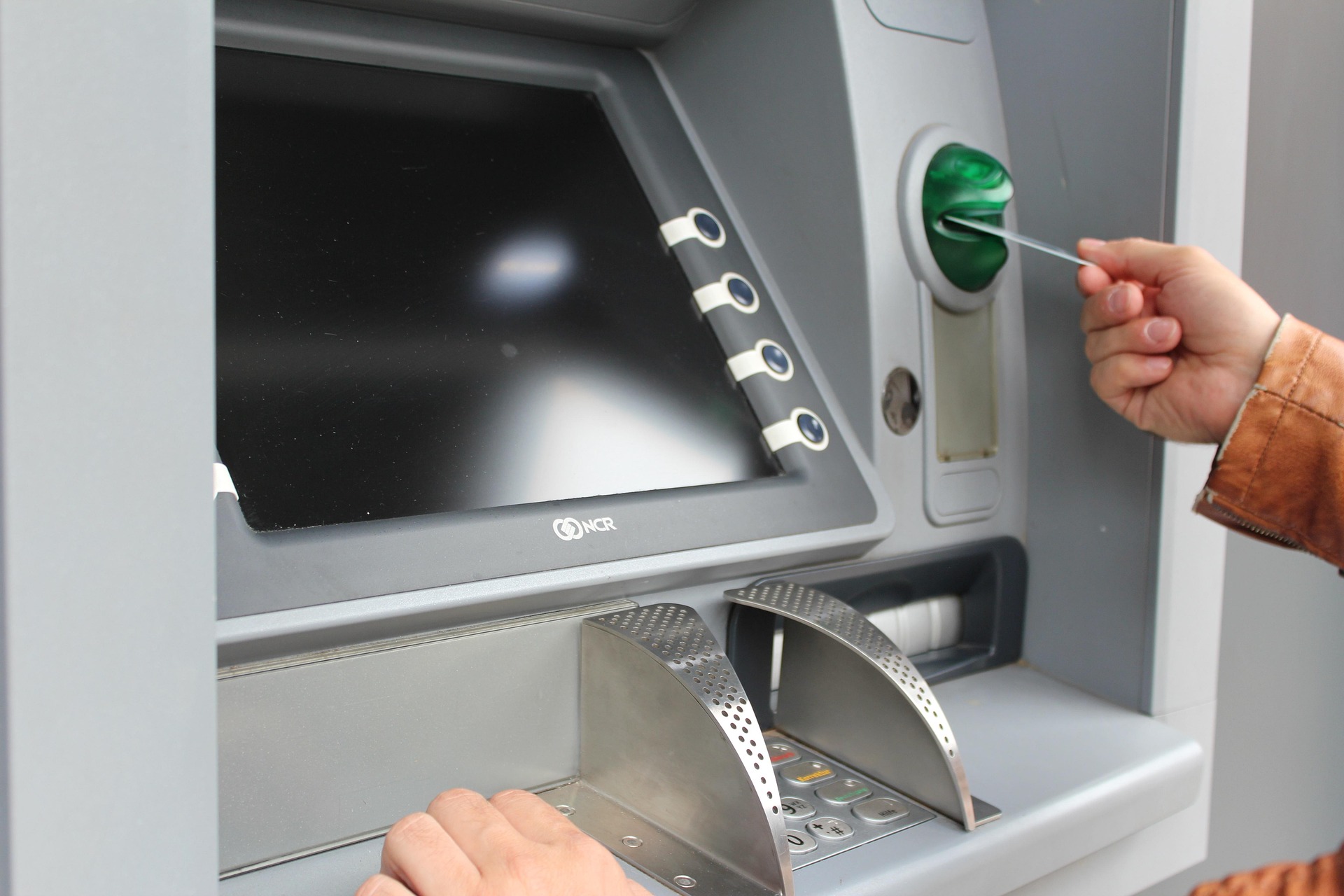
Out-of-network ATM fees. Using an ATM outside your bank’s network triggers two fees: one from your bank and one from the ATM owner. Combined, they can hit $5 to $7 per withdrawal — a 5% to 7% tax on a $100 cash withdrawal. Charles Schwab reimburses all ATM fees worldwide. Ally reimburses up to $10 per month. Your bank probably reimburses nothing.
Paper statement fees. Some banks charge $2 to $5 per month to mail you a paper statement — a document they’re required to make available. Enrolling in electronic statements eliminates the fee, but many customers — particularly older adults who prefer physical records — don’t realize they’re paying for paper until they check their fee schedule.
Wire transfer fees. Sending money by wire costs $20 to $35 at most traditional banks. For domestic transfers, Zelle is free and instant between participating banks. ACH transfers are free and take one to three days. Unless you’re sending money internationally or closing on a house, the wire transfer fee is avoidable.
The banks charging these fees are not providing a better product. They’re providing the same product to customers who haven’t compared. A 15-minute switch to a fee-free account — many of which offer higher interest rates as well — is the most reliable annual savings most households will ever find.