Lifestyle
6 Home Upgrades Contractors Say Aren’t Worth What You’ll Pay
By Mike Harper · August 13, 2026
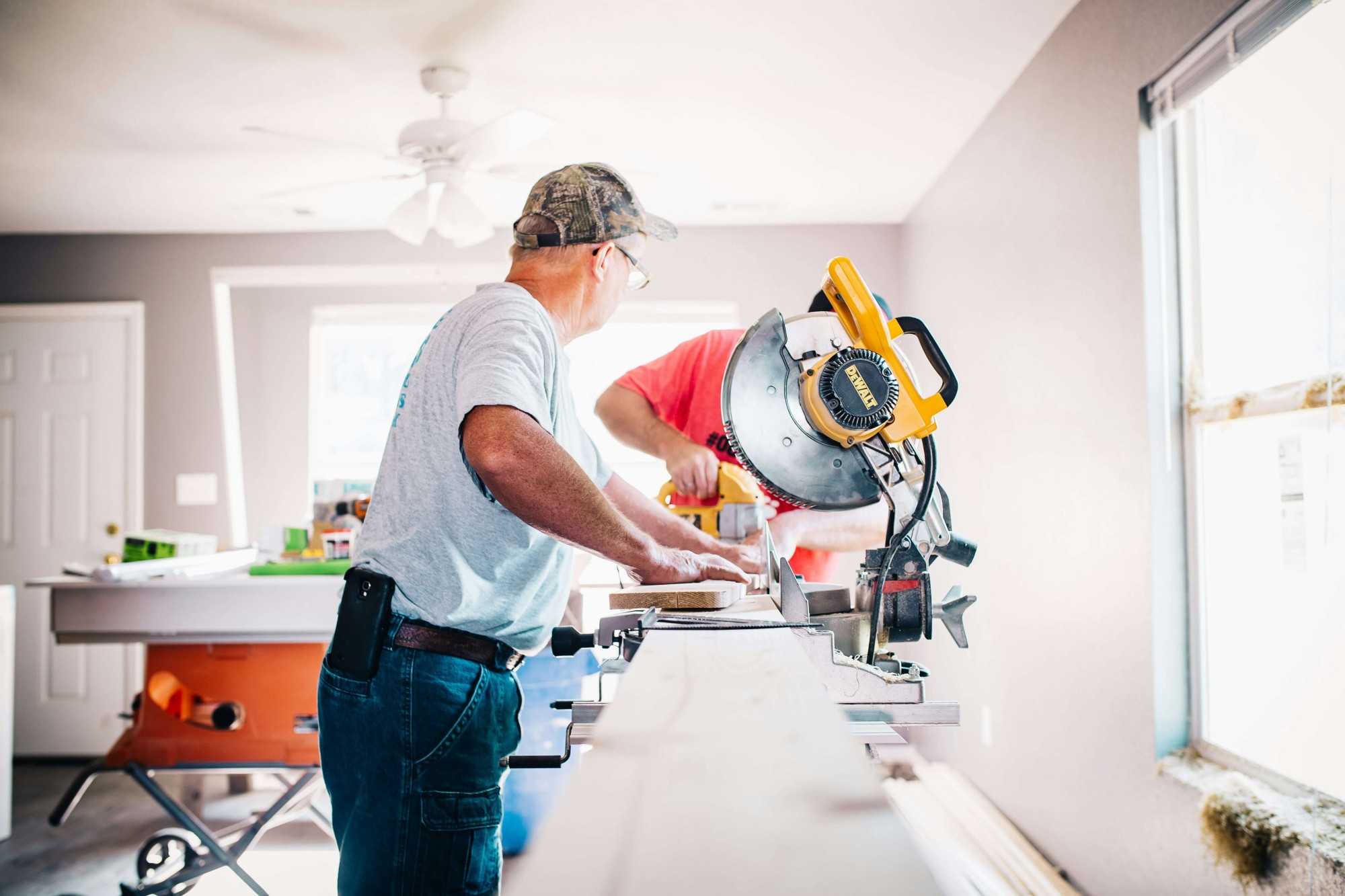
You’re about to spend $40,000 on a kitchen remodel. Your contractor knows you’ll recover less than half of it when you sell. Nobody is going to tell you that before you sign the contract.
Home renovation spending in the U.S. exceeds $400 billion annually, and the assumption driving most of it — that the upgrade will “pay for itself” — is almost always wrong. Here’s what contractors and real estate professionals say isn’t worth what homeowners pay.
A high-end kitchen remodel. The most popular home renovation is also one of the worst investments. A major upscale kitchen remodel recovers roughly 40% to 60% of its cost at resale, according to the 2026 Cost vs. Value Report. Custom cabinetry, professional-grade appliances, and stone countertops satisfy the current owner but add far less to the sale price than people expect. A minor kitchen update — new hardware, painted cabinets, updated lighting — returns 72% to 96% at a fraction of the cost.
A swimming pool. An in-ground pool costs $50,000 to $100,000 to install and $3,000 to $6,000 per year to maintain. In most markets, it adds far less than it costs and in some, it subtracts value because buyers see it as a liability, a maintenance burden, and an insurance risk. Pools also limit your buyer pool to families who specifically want one.
A bathroom addition where one isn’t needed. Adding a third or fourth bathroom to a home that already has two and a half returns roughly 50% to 60% of the project cost. The value inflection point is from one bathroom to two. Beyond that, additional bathrooms add convenience but diminishing resale value. The plumbing, tiling, and fixture costs don’t scale down — but the price premium buyers will pay does.
Over-improving for the neighborhood. A $200,000 renovation to a home in a neighborhood where the median sale price is $350,000 creates a property that’s worth less than it cost. Appraisers compare your home to similar properties in the same area. If nothing else on your street has a chef’s kitchen and heated floors, neither will your appraisal reflect those features at full cost. Contractors call this “over-improving” — and the homeowner absorbs the gap.
Converting a garage to living space. Garage conversions cost $10,000 to $50,000 and eliminate the one feature many buyers consider non-negotiable: covered parking and storage. In markets where garage space is expected, the conversion can actually reduce your home’s marketability.
Luxury landscaping. Professional hardscaping, water features, and designer planting can cost $30,000 to $100,000. Unlike interior improvements, landscaping depreciates through weather, neglect, and changing tastes. A well-maintained lawn, clean beds, and mature trees add curb appeal. An elaborate outdoor kitchen and koi pond add a maintenance obligation that most buyers don’t want to inherit.
The renovation that pays for itself is the exception, not the rule. On average, homeowners get back about 74 cents for every dollar spent on large remodeling projects. The question isn’t whether you’ll enjoy the upgrade. It’s whether you’re willing to pay twice: once to build it and once when you sell for less than it cost.