Lifestyle
6 Signs of Low Testosterone Most Men Blame on Getting Older
By Mike Harper · November 2, 2026
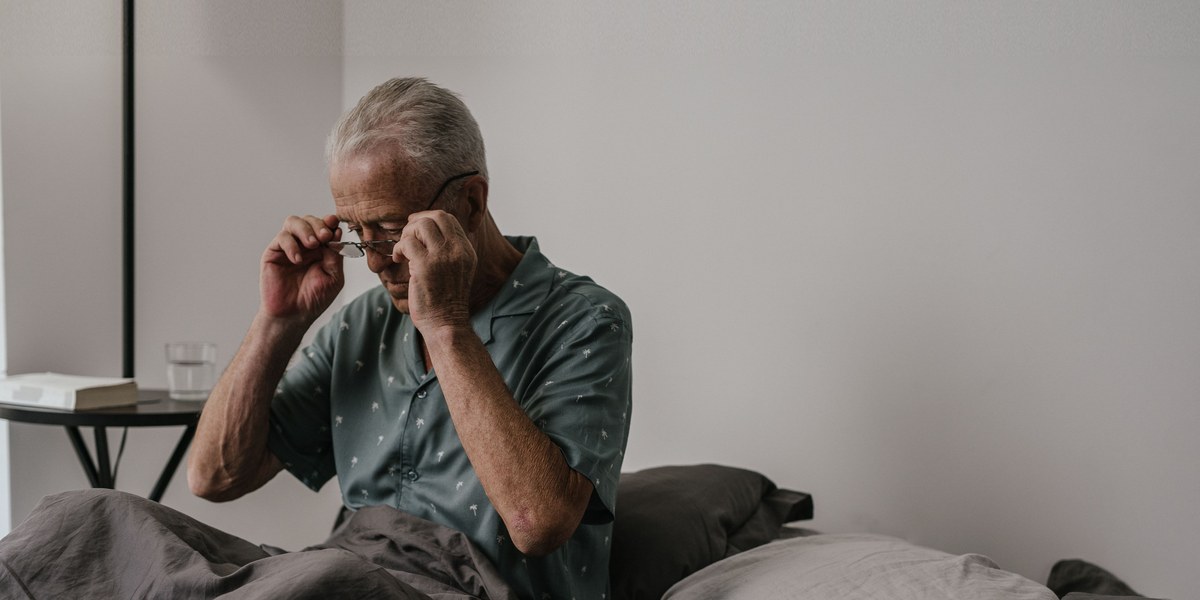
Less interest in sex, a little less energy, a few extra pounds. Many men shrug these changes off as part of growing older. Sometimes they are. Sometimes they point to low testosterone, a condition doctors can test for.
Cleveland Clinic says many people shrug off the symptoms linked with low testosterone as an unpleasant part of getting older, and it urges men to address symptoms that interfere with their quality of life.
Some decline is normal. According to Mayo Clinic, testosterone gradually declines with age, typically about 1% a year after age 30 or 40. Cleveland Clinic says levels can drop 1% per year starting in a man’s late 30s and that providers consider levels below 300 nanograms per deciliter low in adults. When a man has symptoms along with those low levels, providers call it male hypogonadism.
Mayo Clinic notes that for older men, it’s important to determine whether a low level is due to normal aging or to a disease. These are six signs both clinics list.
Lower sex drive. Cleveland Clinic calls the sexual symptoms the most specific signs of low testosterone, and low libido is first on its list. Mayo Clinic also lists reduced sexual desire.
Fewer morning erections or trouble with erections. Cleveland Clinic lists the loss of morning or spontaneous erections and trouble getting or keeping an erection. Mayo Clinic describes fewer spontaneous erections, such as during sleep.
Less energy. Mayo Clinic says a man with low testosterone might have less energy than he used to. Cleveland Clinic lists a decrease in endurance.
Losing muscle and strength. Both clinics list a decrease in muscle mass and strength. Mayo Clinic describes it as reduced muscle bulk and strength.
More body fat. Increased body fat appears on both lists. Mayo Clinic notes that testosterone helps maintain how fat is distributed in a man’s body.
Low mood and trouble concentrating. Cleveland Clinic lists depressed mood and concentration and memory issues. Mayo Clinic says low testosterone can contribute to a drop in motivation or self-confidence, and a man might feel sad or depressed or have trouble concentrating or remembering things.
Cleveland Clinic also lists some less familiar signs that it says highly suggest the condition, including hot flashes and loss of armpit and pubic hair. Both clinics mention swollen or enlarged breast tissue.
None of these signs proves low testosterone on its own. Mayo Clinic says some of them can be caused by other factors, including medication side effects, obstructive sleep apnea, thyroid problems, diabetes and depression. Cleveland Clinic says low testosterone is more likely in men who are older than 45, have obesity, have poorly managed type 2 diabetes or have obstructive sleep apnea.
Diagnosis takes a blood test. Cleveland Clinic says a total testosterone test usually requires two separate blood samples in the morning, when levels should be at their highest, and that illness can temporarily lower testosterone. Mayo Clinic says a doctor will likely measure testosterone at least twice before recommending therapy.
Treatment isn’t meant for ordinary aging. Mayo Clinic says treating normal aging with testosterone therapy is not advisable, and it lists risks that include worsening sleep apnea, growth of the prostate and too many red blood cells, which raises the risk of a blood clot. Cleveland Clinic says eating nutritious foods and getting physical activity are the first treatments, and it advises men with bothersome symptoms to avoid over-the-counter supplements and see a provider.
This article is for general information and is not medical advice. Talk with your doctor about any symptoms and before starting or changing any treatment. This article was produced with the assistance of AI and fact-checked against the sources cited by LightWave Reports.