Lifestyle
6 Signs You May Have Prediabetes Without Knowing It
By Erica Coleman · June 24, 2026
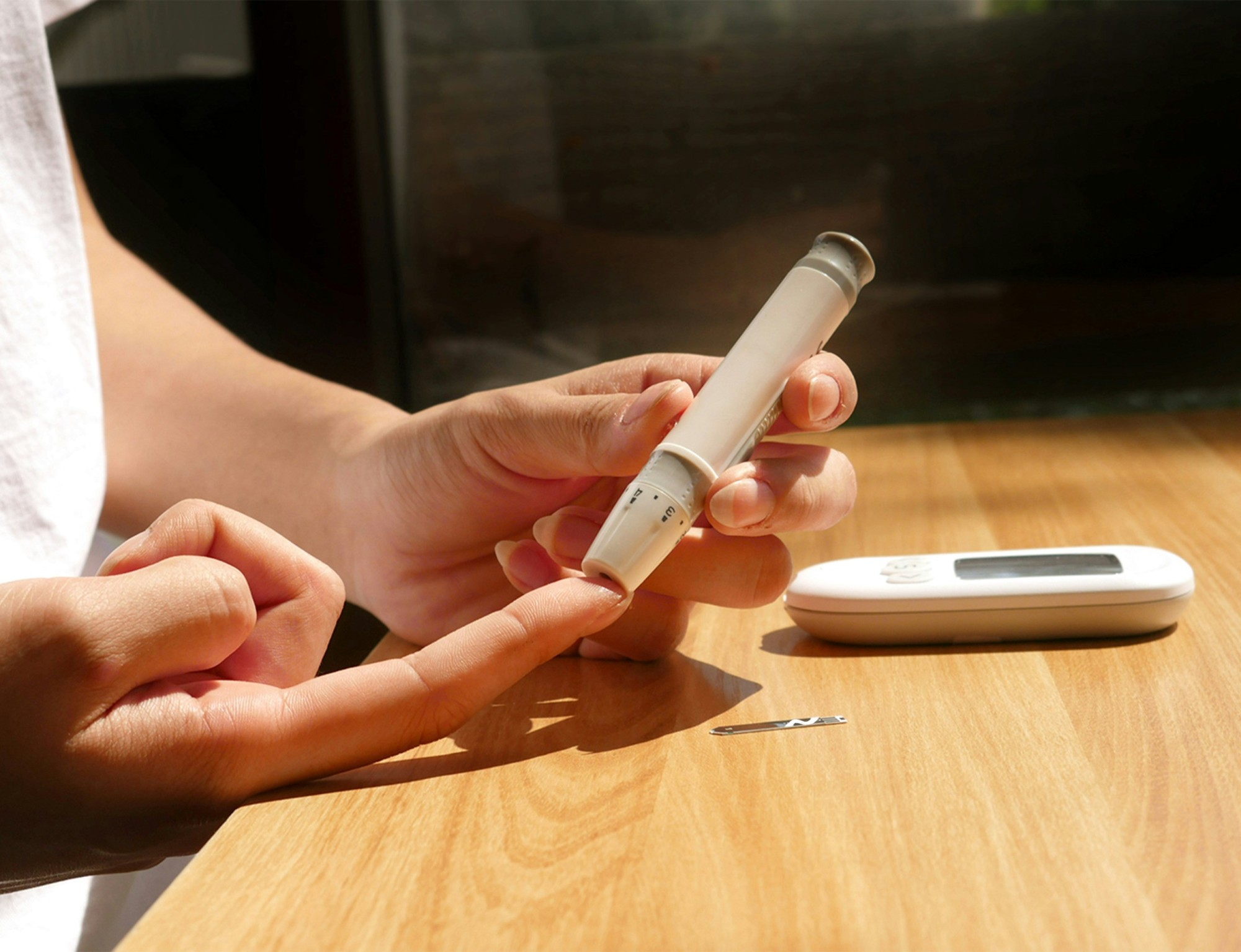
One in three American adults has prediabetes. Eight in ten of them have no idea. The condition sits in a gray zone — blood sugar levels higher than normal but not yet high enough for a type 2 diabetes diagnosis — and it produces almost no symptoms in most people. That silence is the danger. Without intervention, roughly 15 to 30% of people with prediabetes develop type 2 diabetes within five years.
The CDC estimates that 115.2 million American adults currently have prediabetes, making it one of the most prevalent and least recognized health conditions in the country. Here are six signs that warrant a conversation with your doctor.
1. Darkened patches of skin on the neck, armpits, or groin
A condition called acanthosis nigricans — darkened, velvety patches of skin typically found in body folds and creases — is one of the most visible physical signs associated with insulin resistance and prediabetes. The patches are painless and often mistaken for dirt or a skin condition. They appear because excess insulin in the bloodstream stimulates skin cell growth in areas where skin folds create friction. If you’ve noticed darkened skin on the back of your neck, in your armpits, or in your groin that won’t wash off, mention it to your doctor.
2. Increased thirst and more frequent urination
When blood sugar levels rise, the kidneys work harder to filter the excess glucose, producing more urine in the process. The increased urination causes dehydration, which triggers thirst. The cycle — drink more, urinate more — can become noticeable before blood sugar reaches the threshold for a formal diabetes diagnosis. Most people attribute it to drinking more coffee or to aging.
3. Fatigue that doesn’t match your sleep or activity level
When cells don’t respond efficiently to insulin — the hallmark of insulin resistance — glucose stays in the bloodstream instead of entering cells to be used as energy. The result is a persistent, low-grade fatigue that feels disproportionate to your activity level and doesn’t improve with rest. If you are consistently tired despite adequate sleep, insulin resistance is one of several possible explanations worth checking.
4. Blurred vision that comes and goes
Elevated blood sugar can pull fluid from the lenses of your eyes, temporarily affecting your ability to focus. The vision changes associated with prediabetes tend to be intermittent — blurry one day, fine the next — which is why they’re easy to dismiss. Sustained elevated blood sugar over years can cause permanent damage to the blood vessels in the retina, but the early fluctuations in vision are a warning sign that often precedes that damage.
5. Cuts or bruises that heal slowly
High blood sugar impairs circulation and disrupts the body’s normal healing processes. If you’ve noticed that minor cuts, scrapes, or bruises are taking noticeably longer to heal than they used to — weeks instead of days — the delay may reflect the vascular effects of chronically elevated blood sugar.
6. Increased hunger despite eating normally
When insulin resistance prevents glucose from entering cells efficiently, the body interprets the energy shortage as hunger — even if you’ve just eaten. This pattern of eating a full meal and feeling hungry again shortly after is a recognized early symptom of insulin resistance. It is frequently attributed to stress eating or simply having a big appetite.
The screening is simple: a fasting blood glucose test or an A1C test at your next doctor’s visit. Prediabetes is diagnosed at a fasting glucose of 100-125 mg/dL or an A1C of 5.7% to 6.4%. Both tests are routine, inexpensive, and covered by most insurance. The CDC’s Diabetes Prevention Program has shown that modest lifestyle changes — losing 5 to 7% of body weight and walking 150 minutes per week — reduce the risk of developing type 2 diabetes by 58%. Prediabetes is reversible. Diabetes generally is not. The test is the difference.