Lifestyle
6 Signs Your Home Has a Mold Problem Most Owners Miss
By Erica Coleman · July 17, 2026
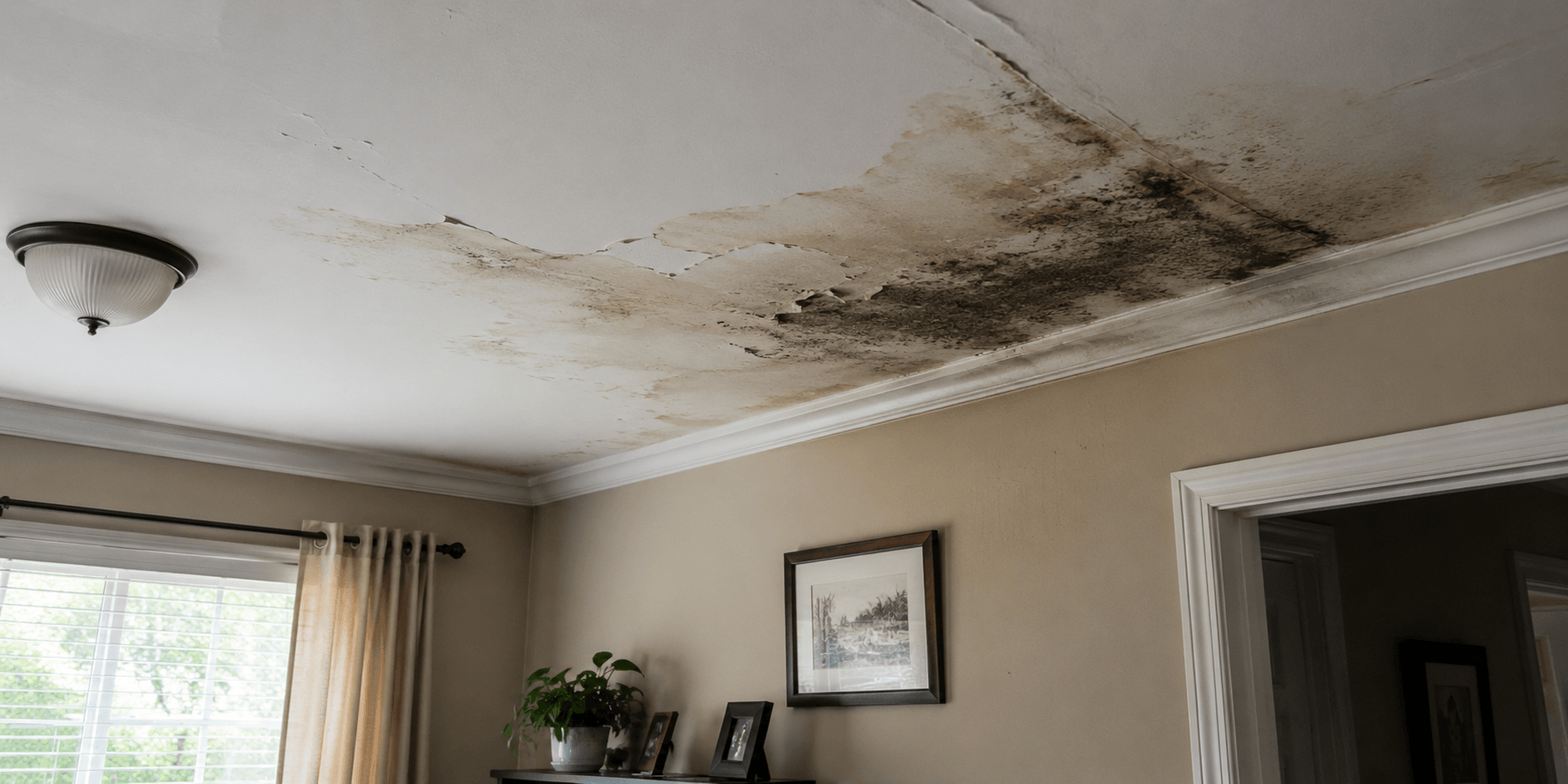
By the time mold announces itself with a smell, it’s usually been growing for weeks.
That’s the part most homeowners don’t know. Mold needs moisture and a surface to grow on — and it has both in most houses, in places where no one regularly looks. Inside wall cavities behind a slow leak. Under bathroom flooring where grout has cracked. Above ceiling tiles. Inside HVAC ducts that circulate air through every room in the house. The CDC notes that mold can grow on almost any organic material — paper, cardboard, ceiling tiles, wood, insulation, drywall, carpet — as long as moisture is present. A small visible patch on a wall is often the surface expression of a much larger colony that’s been growing in the dark for months.
Here’s what to look for before it gets that far.
A persistent musty odor that doesn’t go away after cleaning. This is the most reliable early signal, and the one people most often dismiss as “old house smell” or a drain issue. A musty, earthy smell that lingers in a specific room — especially a basement, bathroom, or laundry area — and doesn’t resolve with cleaning or ventilation is a strong indication that mold is growing somewhere in that space. The smell comes from microbial volatile organic compounds produced as mold metabolizes organic material. If you smell it, the CDC’s guidance is unambiguous: remove it.
Allergy symptoms that improve when you leave the house. The EPA’s guide to mold in homes specifically describes this pattern — symptoms like sneezing, congestion, runny nose, itchy eyes, or skin rash that flare at home and ease when you’re elsewhere. If you or a family member seems to have a persistent “cold” that never fully develops, or morning congestion that clears once you’ve been out of the house for a few hours, the indoor environment is worth investigating. People with asthma or mold allergies can have significantly worse reactions.
Visible discoloration that looks like dirt or soot. Mold doesn’t always look the way people expect. It isn’t always black or green — it can appear as white, gray, brown, or orange spots on walls, ceilings, or around window frames. It’s often mistaken for water staining or ordinary grime. The key difference: water staining doesn’t spread, and ordinary grime doesn’t grow. If a spot expands over days or weeks, or if the discoloration appears fuzzy or powdery in texture, it’s likely mold.
Condensation on windows and cold surfaces in winter. Condensation on glass, pipes, or toilet tanks isn’t just a nuisance — it’s a diagnostic signal. The EPA recommends keeping indoor humidity between 30% and 50% to prevent mold growth, and persistent condensation on cold surfaces means indoor humidity is above that threshold. High humidity without a visible leak is enough to feed mold inside wall cavities, under flooring, and in any space where air circulation is poor.
Warping, bubbling, or soft spots on walls, ceilings, or floors. These are signs of moisture intrusion that may or may not have visible mold yet — but in most cases, if structural materials are warping, mold isn’t far behind. A soft spot on a bathroom floor around a toilet base typically indicates a wax ring failure that has been seeping water into the subfloor. Bubbling paint on a ceiling below an upstairs bathroom means water is getting through. In both cases, mold remediation and structural repair tend to go hand in hand.
A history of water damage that wasn’t professionally dried. This is the one homeowners most often underestimate. A past roof leak, a flooding event, a burst pipe — even one that was addressed quickly on the surface — can leave moisture trapped inside wall cavities and under flooring that takes weeks to fully dry. The EPA notes that materials dried within 24 to 48 hours of a leak are unlikely to develop mold. Materials that stayed damp longer almost always do. If your house has a water damage history and the drying wasn’t professionally verified with moisture meters, assume there’s a possibility of hidden mold and have it checked.
The EPA advises homeowners that mold areas smaller than about 10 square feet can generally be handled with household cleaning products. Larger areas, or situations involving porous materials like drywall and insulation, typically require professional remediation — not because the mold is more toxic, but because those materials usually need to be removed and replaced rather than cleaned.
The earlier mold is found, the smaller the remediation job. The most expensive mold problems are always the ones nobody caught until they could smell it from across the room.