Lifestyle
6 Things Most People Never Check Before Paying a Towing Bill
By Mike Harper · August 11, 2026
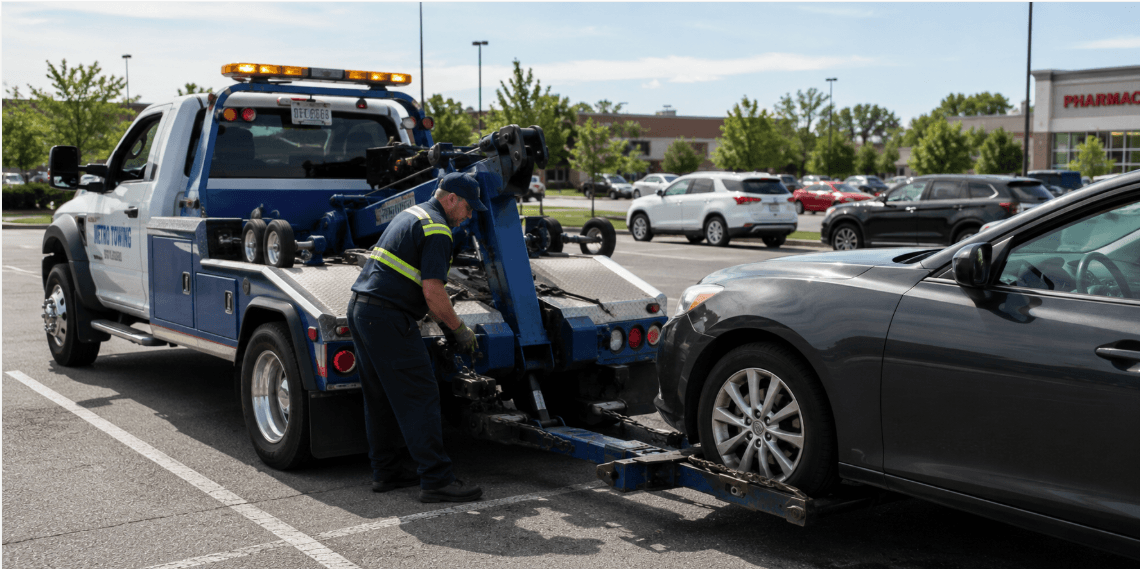
Your car is gone. The tow lot is closed. Tomorrow morning, you’ll owe $350 before you even see the vehicle. That math was calculated before you parked.
About 40% of private property tows violate state or local regulations, according to consumer protection agencies. The problem is that most people don’t learn their rights until after the hook is under their bumper — and by then, the leverage has shifted entirely to the company holding the keys.
Storage fees start immediately and compound daily. The towing fee gets your car to the lot. The storage fee is what keeps it there — and it’s designed to pressure you into paying fast. Daily storage charges range from $25 to $75 depending on the state, and most lots charge for partial days as full days. Leave your car over a weekend and you could owe three full days of storage on top of the towing charge before the lot even opens on Monday morning. About 35 states cap storage fees. The rest don’t.
They may be required to accept credit cards — and many don’t tell you. Several states now require towing companies to accept common payment methods including credit and debit cards. A company that insists on cash only — especially at a lot without an ATM nearby — may be violating state law. If a towing company tells you cash only, ask for the specific statute that exempts them. Many can’t produce one.
The signage may not meet legal requirements. In most states, a private property tow is only legal if proper signage was posted — typically a sign visible at every entrance to the property, specifying the towing company’s name, phone number, and the conditions that trigger a tow. If the sign was missing, obscured, too small, or didn’t include the required information, the tow itself may be illegal. Photograph the sign — or its absence — before paying anything.
You can demand an itemized bill. New laws in multiple states now require towing companies to provide a written, itemized list of every charge upon request. If the bill shows vague line items like “service fee” or “processing charge” without explanation, ask what each one covers. Charges that can’t be itemized or explained may be disputable through your state’s consumer protection office.
They can sell your car faster than you think. In some states, a towing company can place a lien on your vehicle and sell it at auction after as few as 30 days of unpaid storage. The company is usually required to send written notice, but if your contact information is outdated or the notice is sent to the wrong address, you may lose the vehicle without knowing the auction happened. Check your state’s lien timeline immediately after a tow.
Filing a complaint is free and sometimes gets your money back. State consumer protection offices, public utility commissions, and attorneys general investigate towing complaints. Colorado’s PUC alone obtained 469 refunds totaling $280,289 between 2022 and 2024. Most complaints can be filed online. If the tow was illegal, the fees were excessive, or the company violated state regulations, a complaint is the fastest path to getting your money back.
The towing industry counts on your panic. You want your car back. You’ll pay whatever it costs. Knowing what the company can legally charge — and what it can’t — before you hand over your credit card is the only way to keep that panic from becoming profit.