Lifestyle
6 Things Your Eye Care Chain Hopes You Never Price‑Check
By Erica Coleman · September 3, 2026
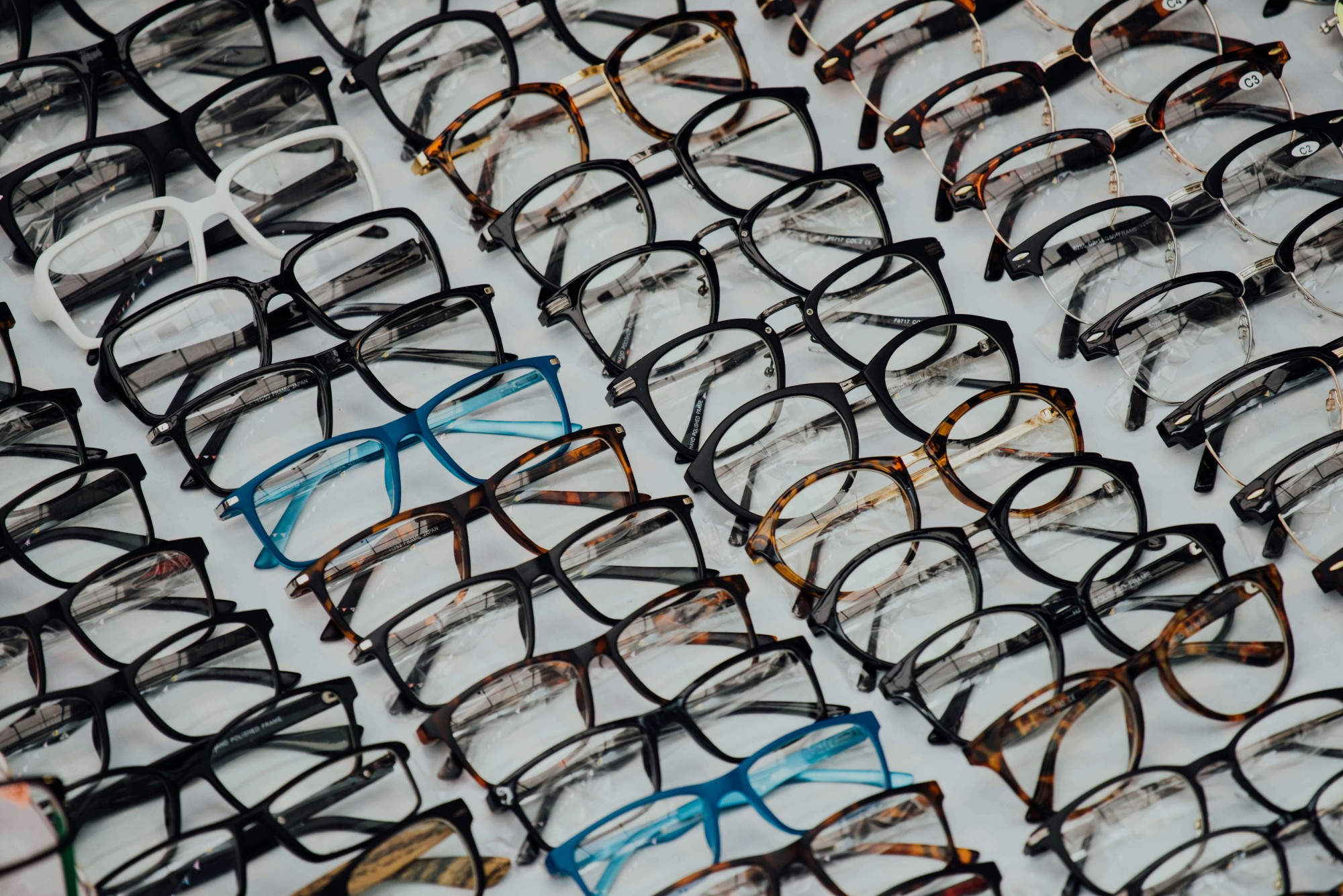
Your glasses frames cost $8 to manufacture. You paid $400. The difference isn’t quality. It’s a monopoly nobody told you about.
One company — EssilorLuxottica — controls roughly 80% of the world’s eyewear brands and a class action lawsuit filed in February 2026 alleges they’ve been fixing prices at markups exceeding 1,000% over manufacturing cost. Here’s what the eye care chain selling you those frames hopes you never look up.
The “designer” frames on the wall were all made in the same factory. Ray-Ban. Oakley. Coach. Prada. Versace. Armani. Tiffany. Dolce & Gabbana. Michael Kors. All manufactured by EssilorLuxottica under licensing agreements. The “Prada glasses” on the display weren’t designed by Prada. They were made on the same production line as everything else, with a different logo stamped on the temple. Prada collects a royalty. Luxottica sets the price. You pay for the name.
The store selling them is owned by the same company. LensCrafters. Pearle Vision. Sunglass Hut. Target Optical. Glasses.com. All owned by EssilorLuxottica. The company manufactures the frames, stocks the stores, and sets the retail prices. The “competition” on the mall floor is the same company selling you different brands at different counters.
Your vision insurance is owned by them too. EyeMed Vision Care — one of the largest vision insurance providers in the country — is a subsidiary of EssilorLuxottica. The company that manufactures your glasses, operates the store that sells them, and provides the insurance that pays for them is one entity. Your “covered benefit” directs you to buy from the company that controls your coverage.
Online retailers sell equivalent frames for 70% to 90% less. Warby Parker, Zenni Optical, EyeBuyDirect (which, ironically, is now owned by EssilorLuxottica), and other direct-to-consumer brands sell prescription glasses for $30 to $150 — including lenses. The same basic frame design that costs $350 at LensCrafters is functionally available for $45 online. Your eye doctor’s office benefits from selling frames at retail markup. Online retailers cut out that margin entirely.
The lens upsells are where the real markup lives. Anti-reflective coating. Blue-light filtering. Progressive lenses. Photochromic transitions. Each add-on costs $50 to $200 at the optical shop. The actual cost of these coatings and lens technologies is a fraction of the retail price. Online retailers include many of these features in the base price. The optical shop charges for each one separately because the upsell is where margins are highest.
Your prescription is yours — and they must give it to you. Under the FTC’s Eyeglass Rule, your eye care provider is required to give you a copy of your prescription immediately after the exam, at no additional cost, without requiring you to buy glasses from them. Many offices make this feel inconvenient — handing you the prescription only after you’ve declined to purchase in their store. The law is clear: the prescription is yours. What you do with it is your decision.
The eyeglasses you’re wearing may be well-made. They’re almost certainly overpriced — not because of materials or craftsmanship, but because one company controls the manufacturing, the brands, the stores, the insurance, and the price. Knowing that is the first step toward paying what the product is actually worth.