Lifestyle
6 Things Your Pest Control Company Hopes You Never Ask
By Curtis Jones · August 14, 2026
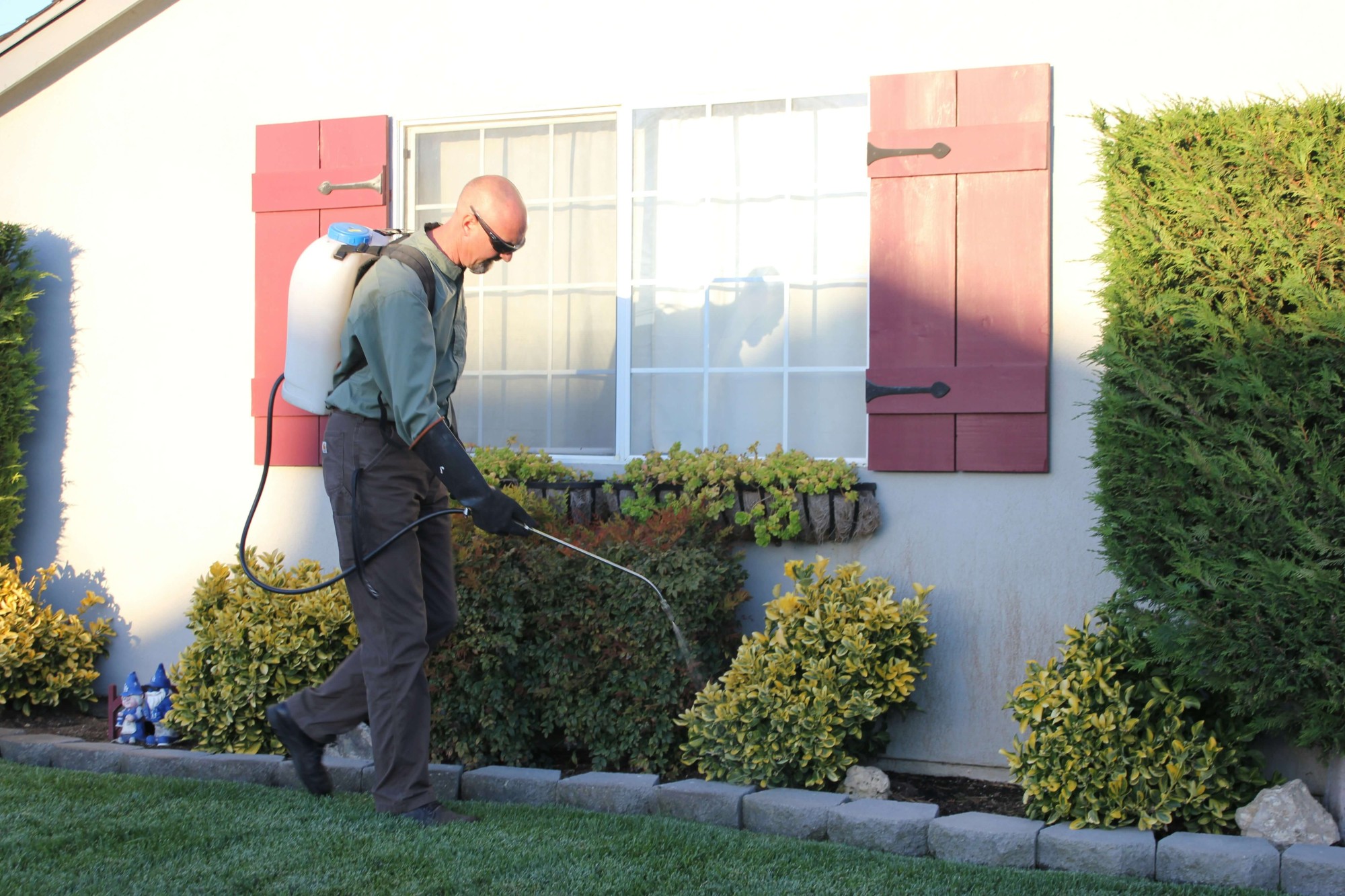
You saw one mouse. They signed you up for a 12-month contract. Now you’re paying $50 a month for quarterly visits to a house that may not have a pest problem anymore.
The pest control industry generates more than $23 billion in annual revenue, and a significant portion of that comes from recurring service contracts sold to homeowners after a single sighting of a bug or rodent. Here’s what the sales pitch leaves out.
A single sighting may not require professional treatment. One mouse, one cockroach, or a few ants in the kitchen doesn’t necessarily indicate an infestation. Many pest control companies treat a single sighting as an opportunity to sell a multi-visit contract — even when sealing entry points and removing food sources would resolve the issue without ongoing chemical treatment. Ask whether the technician found evidence of an active infestation — droppings, nesting material, structural damage — or just the one specimen you called about.
The contract locks you in longer than you think. Most residential pest control contracts run 12 months with automatic renewal. Cancellation typically requires written notice 30 to 60 days before the renewal date. Miss the window and you’re locked in for another year. The cancellation fee — if the contract allows early termination at all — can be 50% to 100% of the remaining balance.
Quarterly visits may not include the service you expect. A standard quarterly pest control visit typically involves a perimeter spray around the exterior and a brief interior inspection. It does not include targeted treatment for specific pests like termites, bed bugs, or wildlife — those require separate contracts with separate fees. Many homeowners assume their quarterly plan covers everything. It doesn’t.
The chemicals used outdoors may not be the ones you need inside. Exterior perimeter sprays create a chemical barrier that repels or kills insects attempting to enter. But many common household pests — cockroaches, pantry moths, drain flies — originate inside, not outside. A company that only sprays the perimeter during quarterly visits is treating the yard, not the problem. Ask where the pest was found and whether the treatment targets that specific location.
DIY products contain the same active ingredients. Many professional-grade pest control products are available to consumers through home improvement stores or online retailers. The active ingredients in professional sprays — bifenthrin, deltamethrin, fipronil — are the same compounds available in consumer formulations. What you’re paying for with a professional service is the application expertise and the warranty, not access to a proprietary chemical.
The initial inspection should be free — and the diagnosis should be specific. A company that charges $100 for a diagnostic inspection and then recommends a $600 annual contract is double-dipping. Most reputable pest control companies offer free initial inspections and provide a specific diagnosis — what pest, where it’s entering, what conditions are supporting it. If the technician can’t name the species or show you evidence of activity, you’re being sold treatment for a problem that may not exist.