Lifestyle
6 Things Your Roofing Company Hopes You Never Check Before Signing the Estimate
By Curtis Jones · August 16, 2026
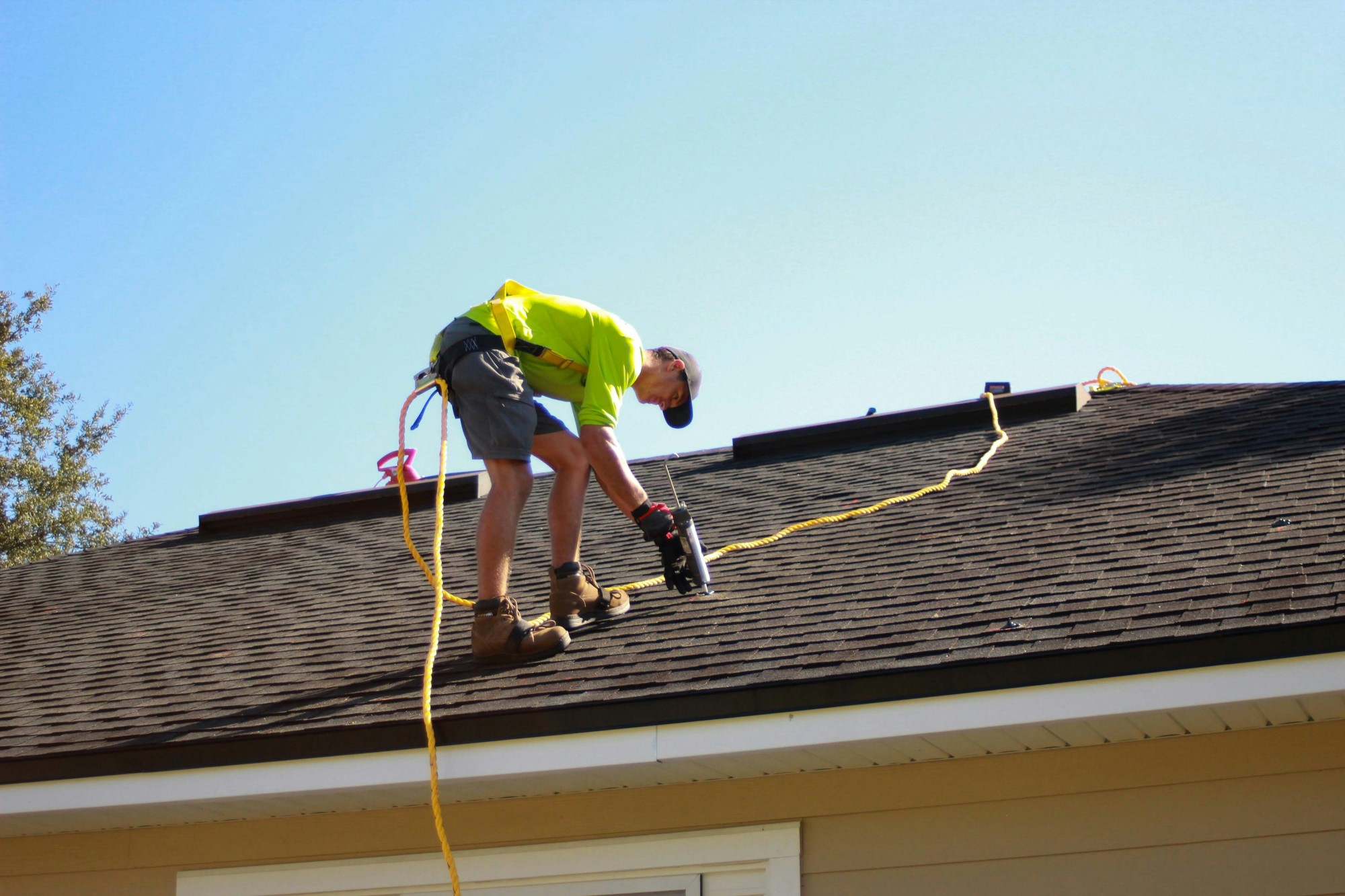
A storm hit. A guy knocked on your door. He pointed at your roof and said it needed replacing. You’re about to spend $15,000 based on a stranger’s opinion and a clipboard.
Storm-chasing roofers generate billions in unnecessary insurance claims every year — but even legitimate roofing companies rely on the homeowner’s lack of knowledge to price and scope the job. Here’s what to check before signing anything.
Their license and insurance may not be what they claim. Roofing license requirements vary by state, and some states have no licensing requirement at all. A contractor who says “we’re licensed and insured” may carry only a general business license and minimal liability coverage. Ask for their contractor license number and verify it through your state’s licensing board. Ask for a Certificate of Insurance showing both general liability and workers’ compensation — and call the insurance company to confirm it’s current. If a worker is injured on your property and the contractor’s workers’ comp has lapsed, you could be liable.
The estimate should itemize materials, labor, and disposal separately. A single-line estimate that says “roof replacement — $14,500” tells you nothing about what you’re paying for. A legitimate estimate breaks down the cost of materials (shingles, underlayment, flashing, vents), labor, tear-off and disposal of the old roof, permits, and any structural repairs. Without itemization, you can’t compare estimates meaningfully — and the contractor can substitute cheaper materials without you knowing.
They may file an insurance claim without your knowledge. Some storm-chasing contractors offer to “handle everything with your insurance company” — then inflate the claim, pocket the difference, and perform substandard work. Signing a contractor’s Assignment of Benefits form can give them the legal right to negotiate directly with your insurer on your behalf. Your insurer may pay the inflated claim and raise your premiums as a result.
A deposit over 33% before work begins is a red flag. Industry standards recommend no more than one-third upfront, one-third at the midpoint, and the final third upon completion. Contractors who demand 50% or more before starting — especially cash — are the ones most likely to disappear or deliver substandard work. Never pay the final installment until you’ve inspected the completed job.
The warranty may cover less than you think. Shingle manufacturers offer warranties of 25 to 50 years — but those warranties typically cover only the shingles themselves, not the labor to replace them. The contractor’s workmanship warranty, which covers installation errors, is usually separate and often shorter — sometimes just one to five years. Ask for both warranties in writing before the job starts.
Not every roof that looks damaged needs replacing. Missing shingles, minor granule loss, and cosmetic damage can often be repaired rather than replaced. A contractor who immediately recommends a full replacement without offering repair options may be sizing you up for a bigger job. Get a second opinion — preferably from a company that doesn’t also do the repair work, so their recommendation is unbiased.