Lifestyle
6 Things Your Solar Panel Company Hopes You Never Ask Before Signing
By Curtis Jones · August 28, 2026
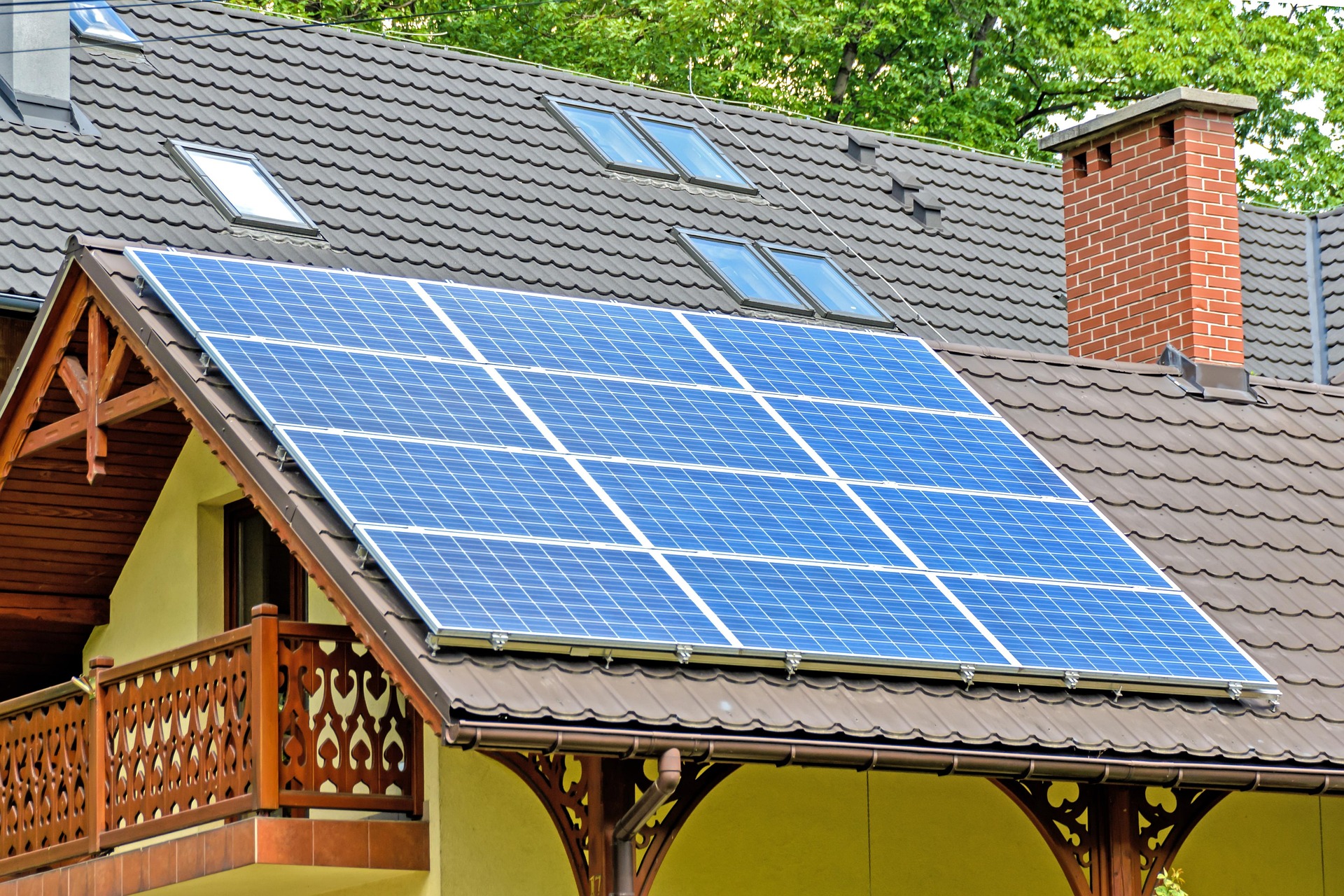
He knocked on your door. He said the government would pay for your solar panels. He was lying — and the contract you’re about to sign lasts longer than most marriages.
The solar industry has seen a 500% increase in consumer complaints over the last five years, driven by aggressive door-to-door sales, misleading lease terms, and a fundamental change in the federal tax credit landscape that most salespeople are still misrepresenting. Here’s what the pitch leaves out.
“Free solar” means you don’t own the panels — and you’re paying for 25 years. The most common solar pitch — “free panels at no upfront cost” — is a lease or power purchase agreement. You don’t own the system. The leasing company does. You pay them monthly for the electricity the panels produce. Over 25 years, those payments can total $40,000 to $50,000 — often more than the cost of buying the system outright. The panels are on your roof. The savings go to the company.
The federal tax credit for homeowner-purchased systems expired. The 30% Section 25D residential solar tax credit ended December 31, 2025. Any company telling you in 2026 that you qualify for a 30% federal credit on a purchased system is providing false information. A roughly equivalent benefit is still achievable through certain prepaid lease structures where the financing company claims the commercial Section 48E credit — but that’s a different product with different terms than what’s being pitched at your door.
Your lease has an escalator clause that raises your payment every year. Most solar leases include an annual price escalation of 2% to 3%. A monthly payment that starts at $120 becomes $160 to $195 by year 20. If utility rates don’t rise at the same pace — and they often don’t — the lease payment eventually exceeds what you’d pay the utility company. The savings that justified the lease can flip to a net cost.
The lease complicates selling your home. When you sell, the buyer must either assume your solar lease — agreeing to 15 to 20 years of remaining payments — or you must buy out the lease, which can cost $10,000 to $25,000. Real estate agents report that solar leases can delay closings by 30 to 60 days or kill deals entirely. Many buyers simply won’t take on someone else’s solar debt.
The savings estimate on the proposal is a projection, not a guarantee. The salesperson shows you a chart with 25 years of projected savings. Those projections assume consistent sunshine, no panel degradation beyond the manufacturer’s guarantee, no changes to utility rate structures, and no additional costs. If the system underperforms — due to shading, soiling, inverter failure, or simply optimistic modeling — the actual savings will be lower than what’s on the paper you signed.
You have a 3-day federal right to cancel. Under the FTC’s Cooling-Off Rule, any contract signed during a door-to-door sale can be canceled within three business days without penalty. The salesperson is required to give you a cancellation form. Many don’t. If you signed yesterday and you’re having second thoughts today, you still have time — but only if you act now.
Solar energy can make financial sense. But the decision requires comparing cash purchase, loan, lease, and PPA options against your specific energy usage, roof orientation, and utility rates — not signing a 25-year contract at the kitchen table with a door-to-door salesperson who just told you the government is paying for it.