Lifestyle
7 Things Financial Advisors Say Most People Waste Money On
By Erica Coleman · August 13, 2026
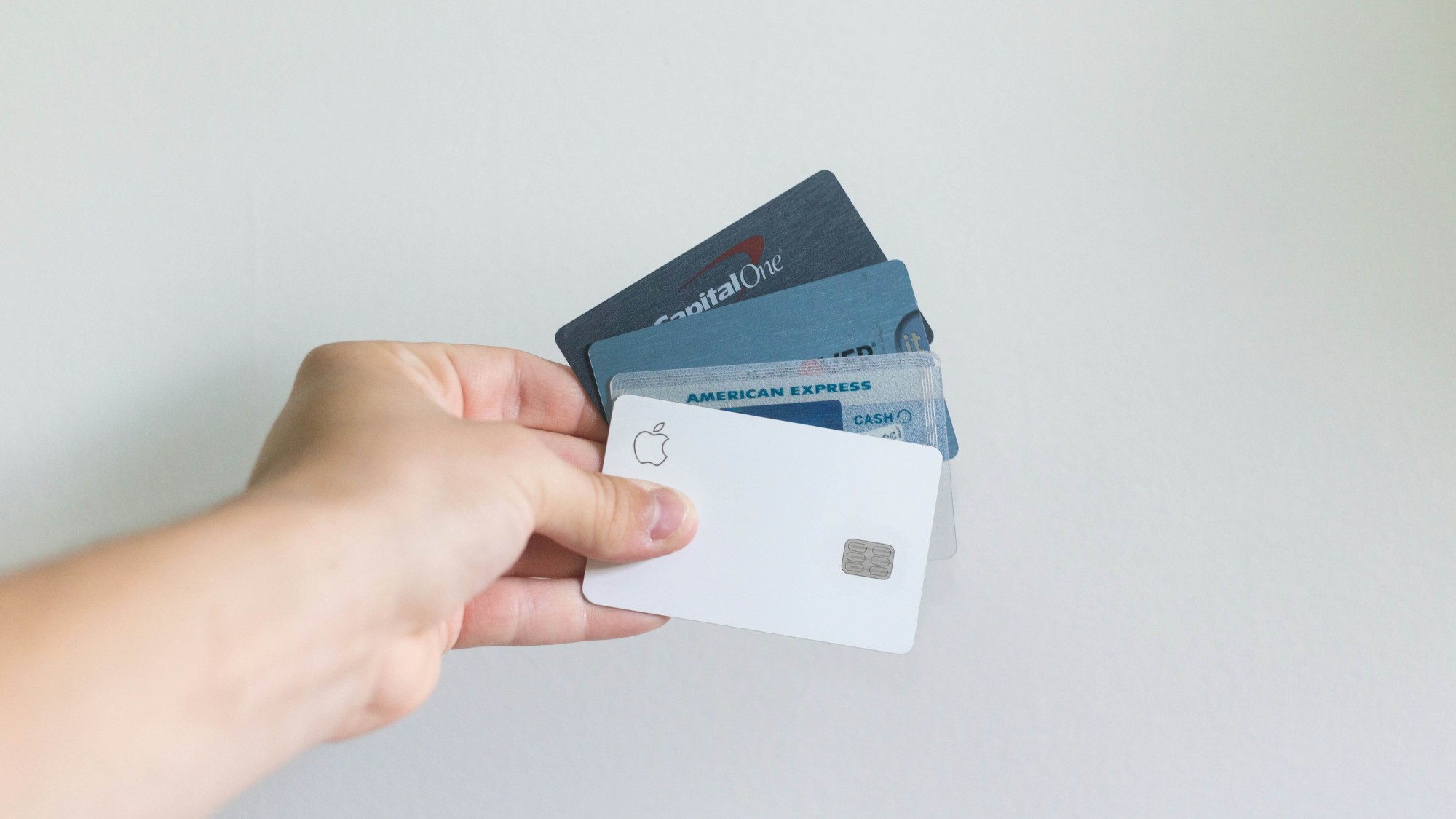
You work hard for your money. A surprising amount of it is going to things that aren’t giving you anything back.
Financial advisors spend their careers watching people hemorrhage money on expenses they’ve never questioned. Not luxuries — not vacations or dinners out — but recurring costs that feel too small to examine individually and too automatic to notice. Here’s what the professionals say they’d cut first.
Extended warranties on electronics and appliances. The warranty on your $600 dishwasher costs $120 and covers three years. The dishwasher’s manufacturer warranty already covers one to two years. The extended warranty kicks in after that and typically costs close to the replacement price of the appliance by the time you factor in the deductible and the narrow list of covered failures. Financial planners say the math almost never works — manufacturers design these products to profit from the warranty, not from the repair.
Streaming services you forgot you had. The average American household with streaming subscriptions spends more than $200 a year on services they don’t actually use, according to a 2025 CNET survey. The charges are small enough — $8, $14, $17 — that they slip through monthly budgets unnoticed. A 10-minute audit of your credit card statement will reveal subscriptions you signed up for during a free trial and never canceled.
Premium gas in a car that doesn’t require it. Unless your vehicle’s owner’s manual specifically says “premium required,” you’re paying an extra 30 to 60 cents per gallon for no measurable benefit. Modern engines with electronic knock sensors can run on regular fuel without damage, even if premium is “recommended.” The distinction between “required” and “recommended” is worth roughly $300 to $500 a year for the average driver.
Brand-name medications when a generic is identical. The FDA requires generic drugs to contain the same active ingredients, in the same dosages, at the same purity as their brand-name equivalents. The only difference is the price — generics cost 80% to 85% less on average. If your pharmacist hasn’t offered the generic alternative, ask. If your doctor writes “dispense as written” on the prescription, ask why.
Bottled water when your tap water is safe. Americans spend roughly $36 billion a year on bottled water. Most municipal water systems deliver water that meets or exceeds EPA safety standards. A reusable bottle and a $20 faucet filter produce the same result as a $5 case of water bottles — with less plastic and roughly $400 in annual savings for a family of four.
Full-price cable or internet. Promotional rates expire. The price goes up. Most people pay the new rate without calling. Retention departments at every major provider have the authority to offer reduced rates, waive fees, or match competitor pricing — but only if you call. Financial advisors say this single phone call saves clients $300 to $600 per year more reliably than almost any other recommendation they make.
Paying for financial advice you could get for free. An advisor charging 1% of assets under management on a $500,000 portfolio costs $5,000 a year. Over 20 years, that 1% fee can consume $100,000 or more in what would otherwise be compounding growth. Low-cost index funds, robo-advisors, and fee-only planners who charge hourly rates provide comparable guidance at a fraction of the cost.
None of these expenses will ruin you individually. But collectively, they represent $2,000 to $5,000 a year in spending that produces no value, no satisfaction, and no return.