Lifestyle
7 Things Utility Companies Hope You Never Question About Your Bill
By Mike Harper · September 20, 2026
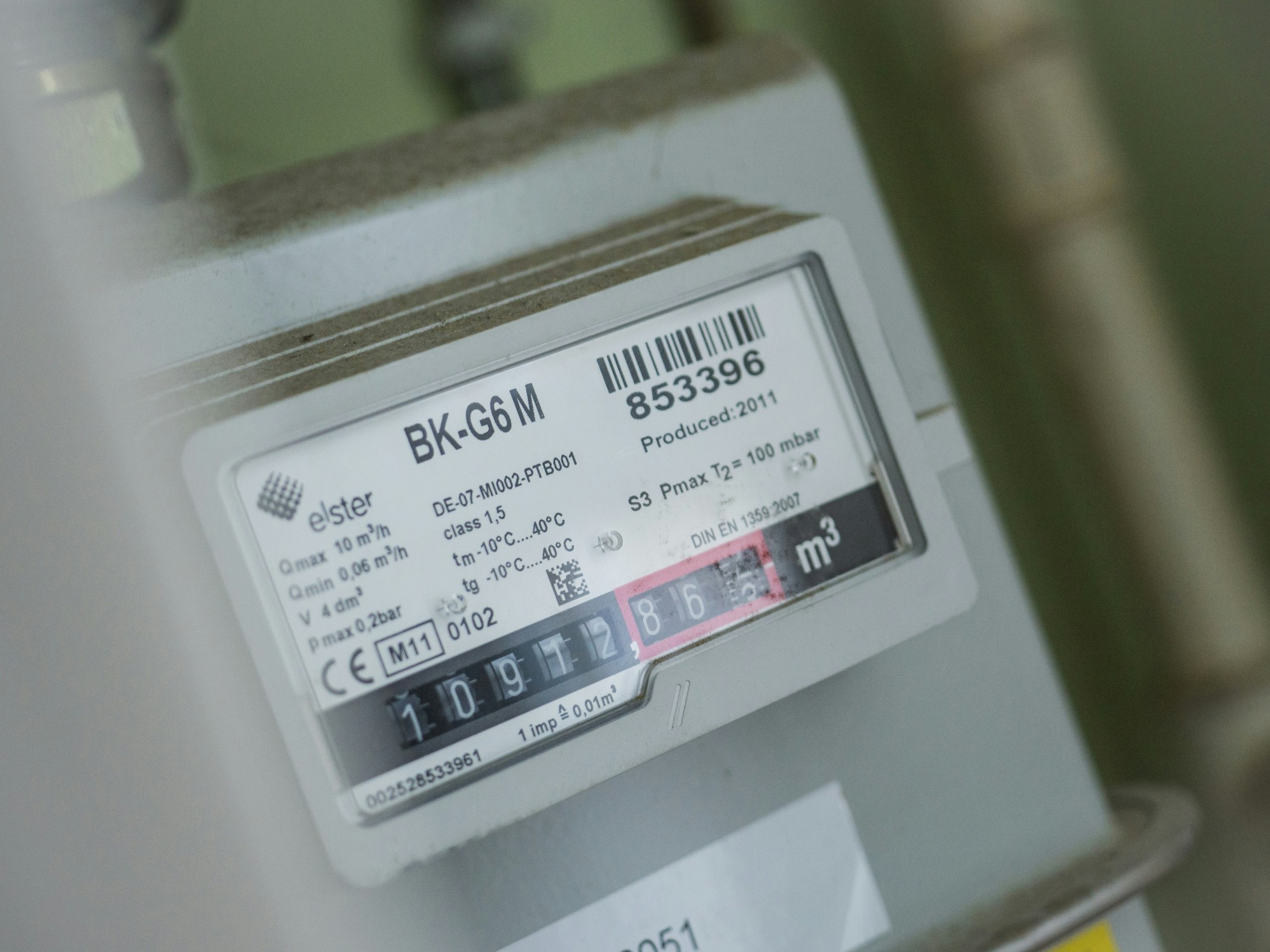
Utility bills are one of the few household expenses most families pay without ever really auditing. The math looks complicated, the meter is out of sight, and the assumption is that a regulated monopoly can’t really overcharge you. In practice, they can — and the recent enforcement record makes clear how often it happens.
Here’s what your utility company hopes you never question about your bill.
Your bill may be based on an “estimated read,” not an actual reading of your meter. When a meter reader can’t access your meter — because a gate is locked, a dog is out, or the meter itself is malfunctioning — the utility estimates your usage. Estimated bills are supposed to be corrected at the next actual read. In practice, some utilities send estimated bills for months on end. The Michigan Public Service Commission investigated Consumers Energy after receiving persistent complaints about extended estimated billing and malfunctioning meters, and the company ultimately agreed to a $1 million fine over its billing practices. Look for the letter “E” next to your reading on the bill — that’s your signal.
You can demand an actual read at any time. If you suspect your bill is wrong or you’ve had estimated reads for more than one or two cycles, you can request an actual meter read. State public utility commissions typically require this within a few business days, and you’re entitled to a corrected bill and a credit if the estimate was too high. If the utility drags its feet, escalate to your state PUC — utilities respond fast because a PUC complaint is administratively expensive for them.
You can request a free meter test. If you think your meter itself is running fast, most state utility commissions require your utility to test the meter once a year at no cost if you request it, Washington state’s utility commission explains. This isn’t advertised. You have to ask.
Late fees may be capped or refundable. State PUCs regulate what utilities can charge for late payment. Many households pay whatever appears on the bill without checking whether the late fee exceeds the state cap or whether the utility failed to give proper notice before assessing it. Both are grounds for dispute.
Back-billing has time limits. If a utility discovers it undercharged you for months or years, it can bill you retroactively — but there are legal limits. Most states cap how far back a utility can back-bill (typically 6 to 12 months) and require the utility to allow you to pay it back over the same period the undercharge accumulated. If your utility hands you a large back-bill and demands immediate payment, both of those provisions may apply.
Your bill probably lists surcharges you don’t have to look at — but should. Utility bills bundle base rates with a growing list of surcharges: fuel adjustment, capacity charges, storm recovery, decoupling adjustments, and more. Each of these is a separate line item approved by your state PUC. You can look up the current tariff on your PUC’s website and check that what you’re being charged matches what was authorized.
Overbilling disputes go through your state PUC, not the utility. When a customer alleges long-term overbilling, the state utility commission — not the utility itself — is the authority. In one California case, a PG&E customer alleged the company had knowingly overbilled him by thousands of dollars from 2021 to 2023 based on estimated readings while his meter was non-functional, according to a filing with the California Public Utilities Commission. Complaints trigger formal proceedings that utilities have strong incentive to resolve.
Your bill is not a fixed cost you’re powerless to change. Your state PUC exists to arbitrate disputes between customers and utilities. It works. But it works only when customers file complaints.