Lifestyle
At 60, With Her House Paid Off, She Lives on a Budget of About $2,750 a Month in Washington State. People Have Accused Her of Lying About It
By Mike Harper · November 27, 2026
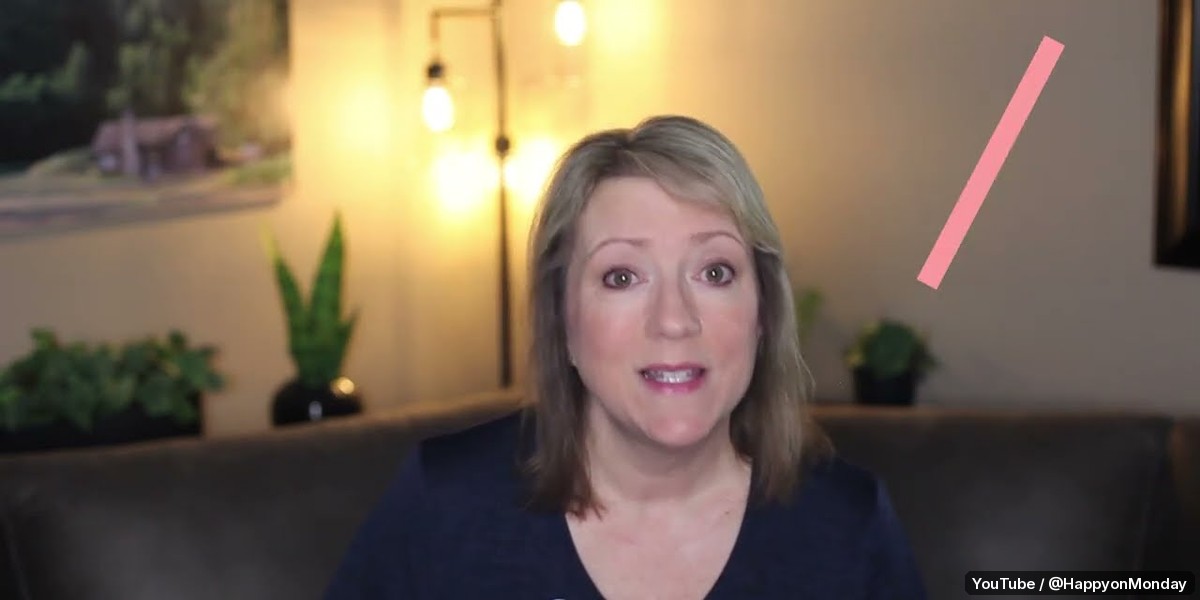
Julie, of the YouTube channel Happy on Monday (@HappyonMonday), retired early and shares her budget every few months. In one video, “Living on $2,800 a Month in Retirement (My Actual Numbers),” she answers a question she hears a lot.
“I’ve been asked, how do you survive on less than $3,000 a month? I’ve actually been accused of lying about it,” she says. “I don’t know what possible advantage I would gain by lying.”
Her answer starts with what she doesn’t owe. “My house is paid off and I’m debt free. That’s really important if you want to live on this amount of money in retirement,” she says. “My current budget is about $2,750 a month. That’s $33,000 a year.”
She doesn’t live somewhere cheap, either. “I live in Washington State, which is actually a high cost of living state,” she says. “I don’t have a mortgage, but I still have maintenance, property taxes and homeowners insurance. My property taxes are currently $242 a month. That continues to climb every year.”
Then she goes line by line. Her cell phone plan is a flat $30 a month. Electricity runs about $75. Propane for her gas fireplace is about $60, and water and sewer about $130. Streaming is $19, garbage $35, and internet $85.
She does most of her own repairs and budgets about $75 a month for upkeep. “YouTube has videos on how to fix or do almost anything. I even replaced my flooring recently,” she says.
Her car is 15 years old and paid off. “I’ll drive it until it won’t drive anymore,” she says. Car insurance is $44 a month, maintenance about $50 and gas about $100. Homeowners insurance recently rose from $60 to $81 a month. For health insurance she budgets $200 a month, “but I’m actually getting free ACA insurance currently,” she says.
Her verdict is that the low budget is a trade she chose. “I worked hard, saved and invested and lived below my means so I could retire sooner and have more time,” she says. “It’s a choice. I prefer a low-cost life without working but others don’t. To me it’s about making my time my own again but I don’t judge anyone for how they choose to live.”
For comparison, the Bureau of Labor Statistics Consumer Expenditure Survey found that households headed by someone 65 or older spent an average of $61,432 in 2024.
One line in her budget is set to get help. “I will be able to freeze my property taxes in one year when I turn 61,” she says. The Washington State Department of Revenue says homeowners can qualify for a senior property tax exemption if they own and live in their primary residence, have a qualifying income, and are at least 61 by Dec. 31 of the assessment year. Income limits vary by county.
For anyone thinking about a lower cost retirement:
Write down every monthly bill, including the ones that come once a year, like her $84 car tabs, divided by 12.
Look up your own state’s senior property tax breaks. In Washington, the DOR’s Property Tax Exemption Screening Tool and your county assessor can tell you whether you may qualify.
Price your health coverage before you leave work. Marketplace savings depend on your income, so the plan that costs nothing at one income can cost much more at another.
This article is for general information and is not financial, tax or legal advice. Julie’s story, budget figures and quotes are from her video on the Happy on Monday YouTube channel (@HappyonMonday); the numbers are her own. Spending data is from the U.S. Bureau of Labor Statistics, and property tax exemption rules are from the Washington State Department of Revenue (dor.wa.gov). This article was produced with the assistance of AI and fact-checked against the sources cited by LightWave Reports.