Politics
Congress Has Failed to Fix FISA Three Times. The Real Fight Was Never About Surveillance.
By Mike Harper · May 7, 2026
The debate over Section 702 of the Foreign Intelligence Surveillance Act is framed as a surveillance debate. It is not. It is a trust debate — and Congress has now failed to resolve it three times because that is a harder problem than any particular bill can fix.
Section 702 allows US intelligence agencies to collect communications of foreign nationals outside the United States without a warrant. The program is genuinely valuable. The CIA has credited it with helping prevent a planned terrorist attack on a Taylor Swift concert in Austria in 2024. The FBI has used intelligence gathered under it to disrupt operations by foreign adversaries in real time. Nobody in Congress is actually arguing it should not exist.
The argument blocking every extension is narrower and more specific: whether law enforcement should be required to obtain a court order before searching an American’s communications that were gathered under the program — because an American was in contact with a foreign target, not because the American was suspected of anything.
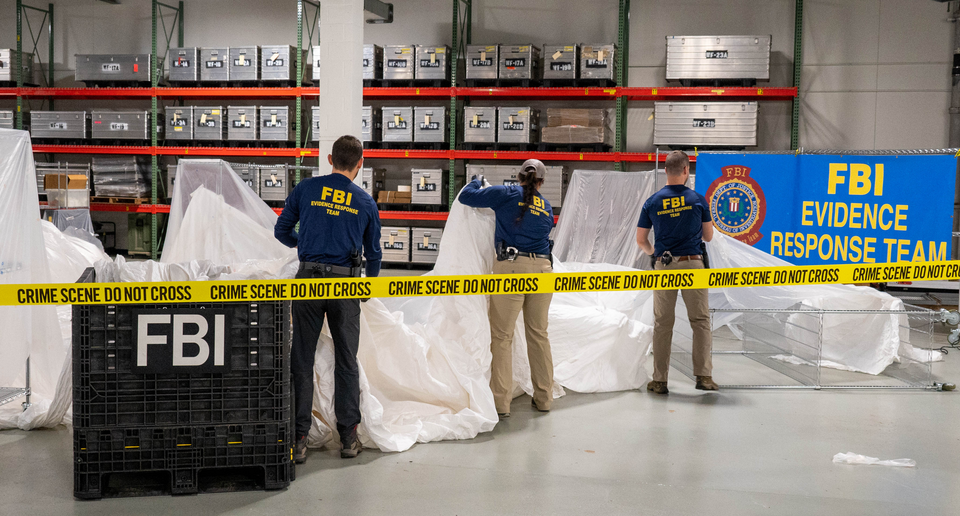
The documented record of how the FBI has used that access without a warrant requirement is the reason the argument has not resolved. The FBI searched Section 702-gathered data to investigate 141 Black Lives Matter protesters following the 2020 unrest. It searched the communications of 19,000 donors to a congressional campaign. It searched the communications of sitting members of Congress. It searched the communications of a state court judge. None of those people were foreign agents. None of them were suspected of terrorism. They were caught in the net because someone they contacted was a foreign target — and once in the database, their information was available to investigators without any additional judicial review.
That is the case the warrant-requirement side is making. It is not an abstract civil liberties argument. It is a documented pattern.
The intelligence community’s counter-argument is equally serious. During any statutory lapse in Section 702 authorization, technology companies become uncertain about their legal obligations and may stop complying with collection directives — even if the underlying surveillance certifications remain technically valid. Real gaps in coverage of real foreign adversaries result. At a moment when the Iran war remains unresolved and the threat environment is elevated, those gaps carry concrete risk.
The House passed a three-year extension on April 30 by a 235-191 vote, but attached an unrelated provision banning a Federal Reserve digital currency. The Senate called it dead on arrival and passed a 45-day extension instead. The next deadline is June 12.
Nothing about the underlying disagreement has changed. The FBI’s documented record of how it used warrantless access is still the record. The intelligence community’s case for the program’s necessity is still the case. And Congress still does not have 60 votes to pass a permanent reauthorization that includes a warrant requirement — or enough political will to pass one that doesn’t.
June 12 will produce either a fourth extension or a lapse. The question the warrant requirement fight is actually asking — whether Congress believes the FBI will abuse this authority if given the chance — is not one any deadline can force an answer to.