Business
Drug Companies Raised Generic Prices 1,000%. Now 48 States Are Making Them Pay.
By Mike Harper · July 17, 2026
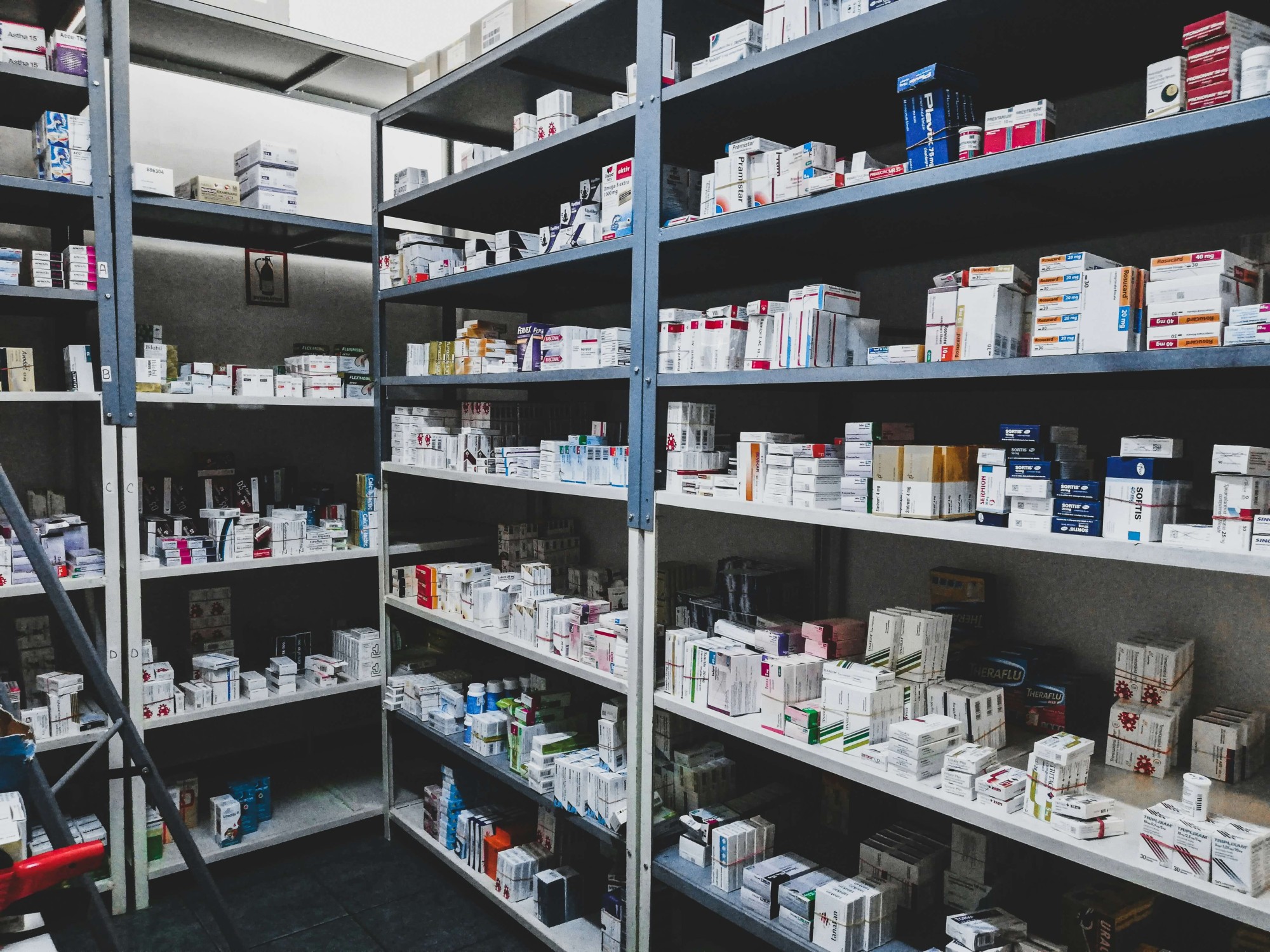
The medications on the list are ones people can’t simply stop taking: drugs for diabetes, cancer, epilepsy, multiple sclerosis, HIV, and ADHD. According to 48 state attorneys general, the companies that make them spent years coordinating to keep prices artificially high.
Glenmark Pharmaceuticals agreed Thursday to pay $29.6 million to settle allegations that it participated in a widespread, long-running conspiracy to fix prices and suppress competition in the generic drug market — the latest settlement in a decade-long multistate legal battle that has now produced more than $96 million in total recoveries from five companies.
The litigation, brought by state attorneys general in federal court in Connecticut, accuses 33 pharmaceutical corporations and 25 individual executives of coordinating illegal agreements through industry dinners, lunches, cocktail parties, golf outings, phone calls, emails, and text messages. In some instances, prosecutors allege, the companies coordinated price increases of more than 1,000 percent on drugs that patients had no alternative but to continue purchasing.
“Glenmark was working with other drug companies to keep prices artificially high, and Oregon families paid for it every time they picked up a prescription.” Oregon Attorney General Dan Rayfield said in announcing the settlement.
The evidence assembled by investigators over ten years is substantial: a database of more than 20 million documents, millions of phone call records, contact information for more than 600 sales and pricing employees across the industry, and a two-volume notebook of contemporaneous notes kept by a cooperating witness detailing competitor conversations and internal company meetings over several years. Seven individual executives from other companies are currently cooperating with investigators as part of their own plea arrangements.
Glenmark did not admit wrongdoing as part of the settlement. The company agreed to cooperate in the ongoing litigation against the remaining defendants and to implement internal antitrust compliance reforms.
For consumers who purchased generic drugs during the relevant period — May 2009 through December 2019 — from Glenmark, Lannett, Bausch, Apotex, or Heritage, compensation may be available. Oregon’s attorney general specifically encouraged affected buyers to visit the settlement website or call 1-866-290-0182 for eligibility information.
The broader case is far from finished. Thursday’s settlement covers only Glenmark. The multistate coalition is preparing for the first trial in the broader litigation, expected to begin in Hartford, Connecticut, in late 2026, where the remaining corporate defendants and individual executives will face the full weight of a decade of accumulated evidence.
The case began amid widespread outrage in the mid-2010s over the soaring cost of prescription medicines, including generics that were supposed to be the affordable alternative to brand-name drugs. The settlement figures released so far represent a fraction of the estimated consumer harm — but for regulators, they also represent something else: a documented record of how the pricing was coordinated, preserved in millions of documents and corroborated by witnesses who were inside the rooms where it happened.