Lifestyle
What Happens to Your Knees After 50 That Most People Don’t Realize
By Erica Coleman · October 14, 2026
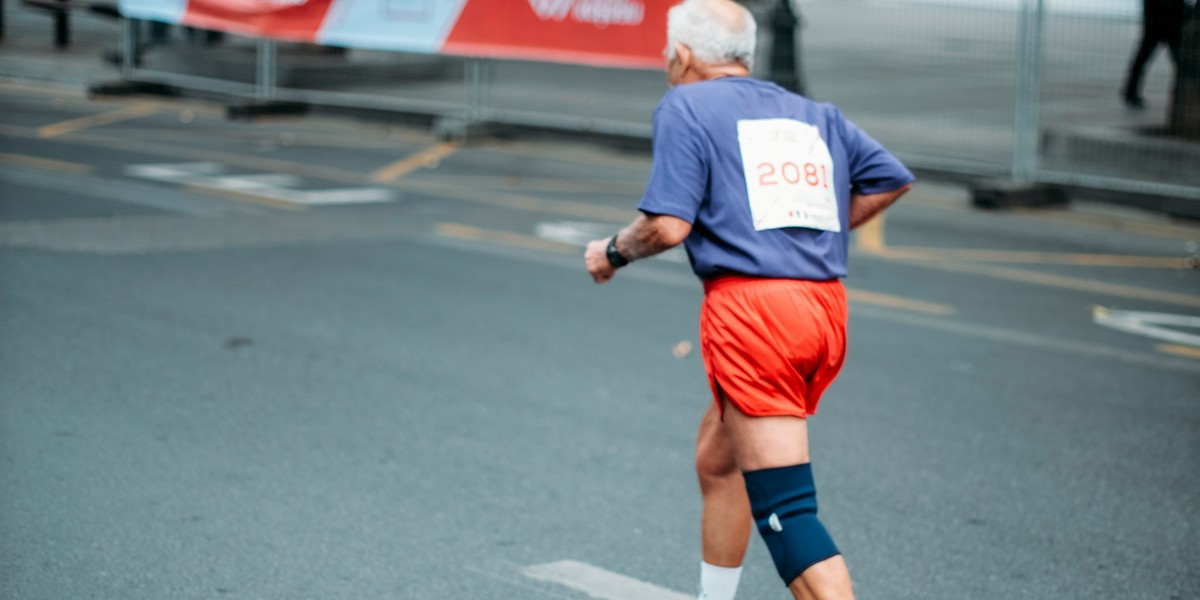
Most people don’t think much about their knees until climbing the stairs or getting out of a low car starts to feel like work. By then, changes inside the joint have often been underway for a while.
Many of those changes build slowly after 50, and few of them announce themselves early. Here are the changes to your knees after 50 that most people don’t realize.
Cartilage wears down. The ends of the bones in the knee are capped with cartilage, which Mayo Clinic describes as a firm, slippery tissue that allows nearly frictionless joint motion. In osteoarthritis, that layer gradually wears away. If it wears down completely, bone can rub on bone.
The cause is more than wear and tear. According to the National Institute of Arthritis and Musculoskeletal and Skin Diseases (NIAMS), osteoarthritis happens when cartilage and other tissues within the joint break down or change in structure. Small bone growths called bone spurs may eventually form along the edges of the joint.
Knee arthritis is common. In a nationally representative study, researchers estimated that about 8.0% of U.S. adults ages 45 to 64 had symptomatic knee osteoarthritis in 2011–12, or roughly 6.6 million people. For adults over 65, the rate was twice as high, at 16.0%, or about 6.8 million people. Arthritis in general skews older. The CDC reports that adults 45 and older account for 88.3% of all U.S. adults with diagnosed arthritis.
Muscle slowly fades. A quantitative review of studies spanning five decades found median losses of about 4.7% of peak muscle mass per decade in men and 3.7% in women. The muscles around the knee help support it, so that loss matters. NIAMS describes how the problem can feed on itself: joint pain may lead people to be less active, which can cause muscle weakness, which in turn may put more stress on the joint.
Every pound counts. In an 18-month diet and exercise trial, researchers followed 142 overweight and obese older adults with knee osteoarthritis. Writing in Arthritis & Rheumatism, they concluded that each pound of weight lost resulted in a fourfold reduction in the load exerted on the knee per step during daily activities. Multiply that by the steps in an ordinary day.
Stiffness is easy to brush off. NIAMS lists joint stiffness, usually lasting less than 30 minutes in the morning or after rest, as a common symptom of osteoarthritis. Swelling after heavy use is another, as is a sense that the joint is loose or unstable. Mayo Clinic notes that people may feel a grating sensation or hear popping or crackling when using the joint. Some also lose flexibility.
Lingering pain deserves a visit. Mayo Clinic advises making an appointment with a healthcare professional if joint pain or stiffness doesn’t go away. According to the CDC, a rheumatologist can diagnose osteoarthritis through a physical exam, X-rays, lab tests and a review of your health history.
The damage is permanent, but it can be managed. Mayo Clinic says symptoms can usually be managed, and staying active, maintaining a healthy weight and certain treatments might slow the disease’s progression. Exercise is part of that. NIAMS says exercise can reduce joint pain and stiffness and increase flexibility and muscle strength, and it recommends easing into any new routine.
This article is for general information and is not medical advice. If your knees are bothering you, talk to your doctor or a physical therapist about what is right for you.