Lifestyle
What Your Doctor Means by “Elevated” Blood Pressure — and Why “Watching It” May Not Be Enough
By Curtis Jones · September 3, 2026
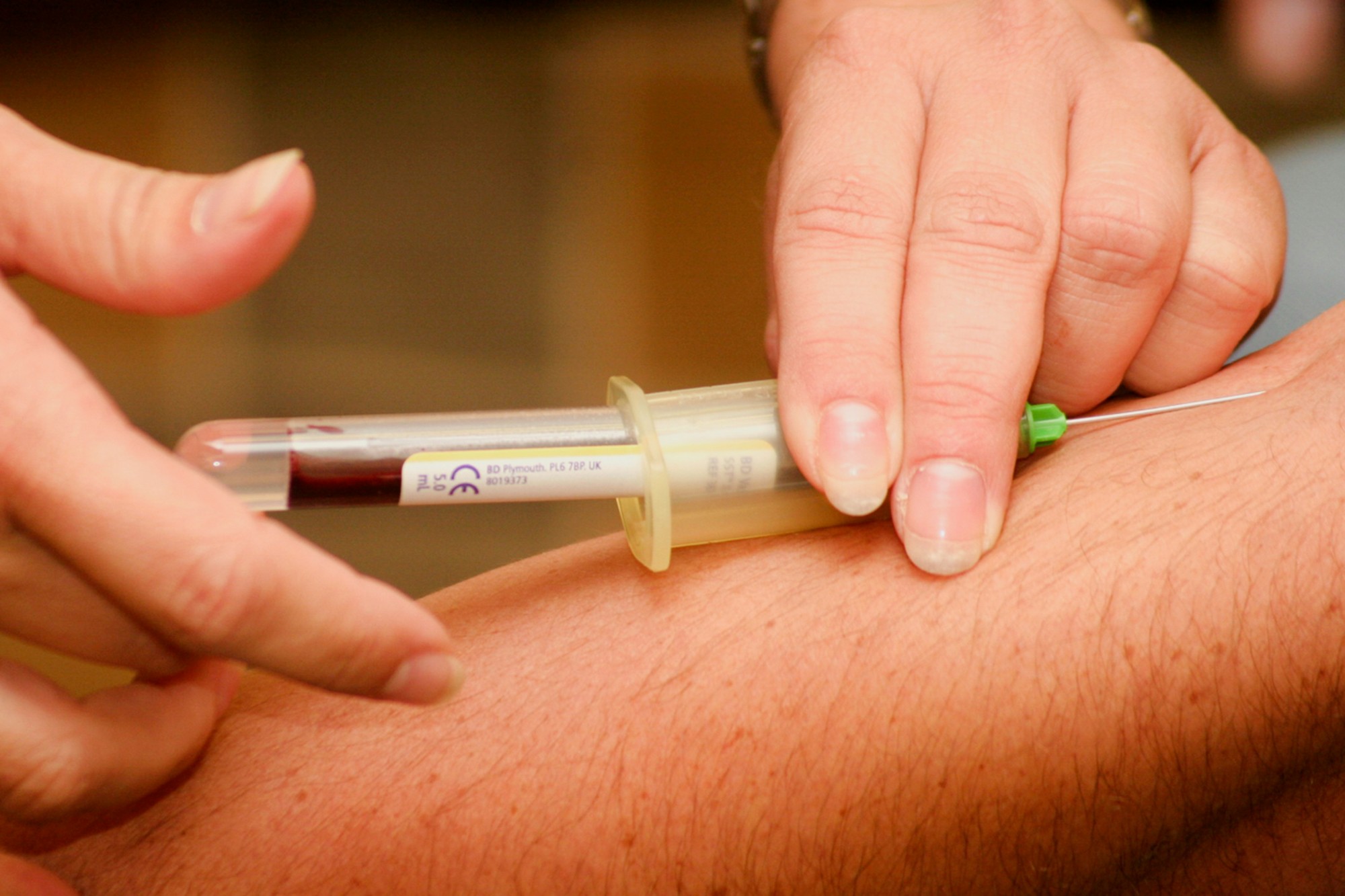
Your doctor looked at the reading — 132/86 — nodded, and said “Let’s keep an eye on that.” You left the office with no medication, no referral, and no clear understanding of what “keep an eye on it” actually means. Here’s what it means.
Nearly half of all American adults have high blood pressure, and millions more fall into the “elevated” category that triggers a response from their doctor that sounds reassuring but communicates almost nothing. The phrase “let’s watch it” has become the medical system’s default for a reading that’s too high to ignore and too low to medicate — and it leaves patients in a limbo where nothing happens until the numbers get worse.
The threshold changed in 2017 — and most patients don’t know it. Before 2017, high blood pressure was defined as 140/90 or higher. The American Heart Association lowered the threshold to 130/80. That single change reclassified roughly 30 million Americans from “normal” to “hypertensive” overnight. If your doctor is still using the old threshold — and some do — a reading of 135/85 may get a “looks fine” when it’s actually Stage 1 hypertension under current guidelines.
“Elevated” means 120-129 systolic — and it’s not normal. A systolic reading between 120 and 129 with a diastolic below 80 is classified as “elevated” — above normal but below the hypertension threshold. This range doesn’t typically prompt medication. But it does predict progression: without lifestyle intervention, roughly 20% to 30% of people with elevated blood pressure will develop hypertension within four years.
One reading doesn’t define your blood pressure. Your blood pressure fluctuates throughout the day based on activity, stress, caffeine, hydration, and whether you were rushing to the appointment. A single office reading is a snapshot, not a diagnosis. If your doctor saw one elevated number and said “let’s watch it,” the next step is home monitoring — taking your blood pressure at the same time each day for a week and recording the results. That data tells you and your doctor far more than any single office visit.
The bottom number matters more than most people think. Diastolic pressure — the bottom number — represents the pressure in your arteries between heartbeats. A diastolic reading above 80 is considered hypertensive regardless of the top number. A reading of 118/88 looks reassuring at first glance because the systolic number is normal. The diastolic number isn’t. Many patients focus exclusively on the top number and miss this.
“Watching it” should include specific actions — not just waiting. The evidence-based response to elevated blood pressure includes reducing sodium below 2,300mg per day, exercising 150 minutes per week, maintaining a healthy weight, limiting alcohol, and managing stress. If your doctor said “let’s watch it” without prescribing any of these, you left the appointment with a vague plan and no tools. Ask for specifics: what number triggers medication? How often should I check at home? What lifestyle changes have the strongest effect?
Your blood pressure is a number with a meaning, a trajectory, and a set of actions attached to it. “Let’s watch it” should be the beginning of a plan, not the end of a conversation.