Lifestyle
5 Warning Signs of Sleep Apnea Most People Ignore
By Erica Coleman · June 20, 2026
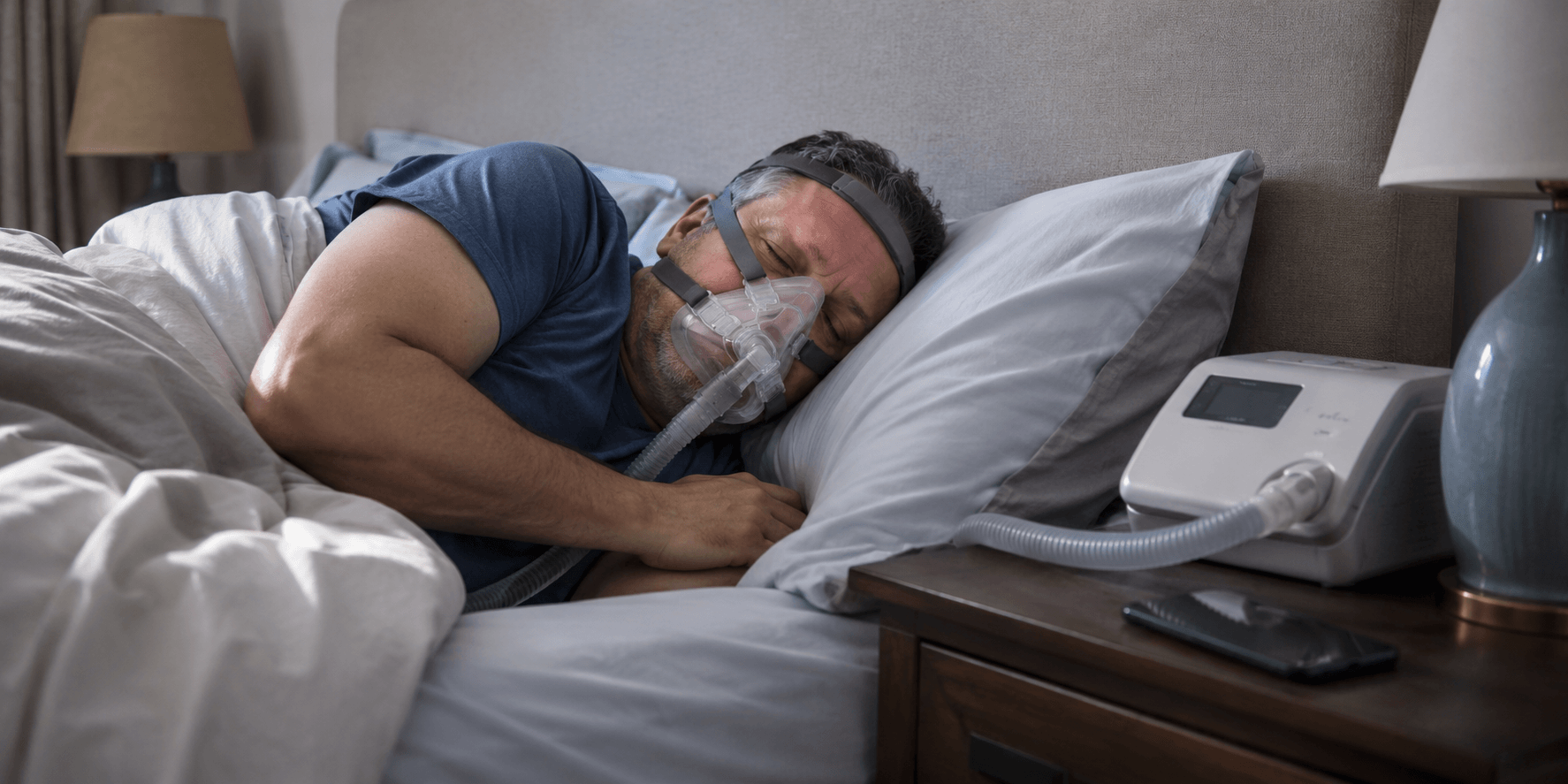
Approximately 30 million Americans have obstructive sleep apnea. An estimated 80% of them are undiagnosed. The reason is straightforward: the most obvious symptom happens while you’re unconscious, and the secondary symptoms are easy to attribute to aging, stress, or just being tired. Here is what sleep specialists say to look for.
1. Snoring that includes pauses, gasps, or choking sounds
Ordinary snoring is annoying. Sleep apnea snoring is different — it includes episodes where breathing stops entirely, followed by a gasp, snort, or choking sound as the airway reopens. These pauses, called apneas, can last from a few seconds to more than a minute and can occur dozens or hundreds of times per night. Most people who experience them have no memory of them. The person most likely to notice is whoever shares the bedroom with them. If a partner, family member, or anyone who has heard you sleep has ever described your breathing as irregular or frightening, take that seriously.
2. Waking up with a headache or dry mouth
Morning headaches and dry mouth are two of the most reliable indicators of nighttime breathing disruption. The headaches result from reduced oxygen levels during sleep — the brain responds to the oxygen dip by dilating blood vessels, which produces a dull pressure headache that is typically present immediately upon waking and fades within an hour or two. The dry mouth results from breathing through an open mouth during apnea episodes. Both symptoms are frequently attributed to dehydration or sinus problems.
3. Excessive daytime sleepiness despite adequate sleep time
Feeling unrefreshed after a full night’s sleep — or falling asleep easily during the day in situations where you should be alert — is one of the hallmark symptoms of sleep apnea. When breathing repeatedly stops and starts during the night, the brain briefly wakes to restore airflow — not fully enough to remember, but enough to prevent the deep restorative sleep stages that make rest feel restful. The result is someone who technically slept eight hours and feels as though they barely slept at all.
4. Mood changes, irritability, and difficulty concentrating
Sleep apnea’s effect on cognitive function is significant and frequently misattributed. Studies have linked untreated sleep apnea to increased rates of depression, anxiety, irritability, and impaired concentration — symptoms that often lead people to seek mental health treatment when the underlying cause is a breathing disorder. If you have been experiencing mood changes or cognitive fog that don’t respond to typical interventions, and you also snore or wake feeling unrested, the combination warrants a sleep evaluation.
5. High blood pressure that’s difficult to control
The American Heart Association identifies untreated sleep apnea as one of the leading secondary causes of high blood pressure — and the connection is bidirectional. Each apnea episode triggers a stress response that spikes blood pressure. Over time, those repeated spikes cause sustained hypertension that is resistant to medication. If your blood pressure has been difficult to manage despite medication and lifestyle changes, ask your doctor whether a sleep study has been considered. It is one of the most commonly overlooked contributing factors.
The gold standard diagnosis is a polysomnography — an overnight sleep study either at a sleep center or, increasingly, at home with a portable device. Treatment ranges from lifestyle changes for mild cases to CPAP therapy for moderate to severe apnea — a treatment that most people find dramatically improves sleep quality and daytime function within weeks.