Lifestyle
6 Things Most People Get Wrong About Tipping in 2026
By Erica Coleman · August 9, 2026
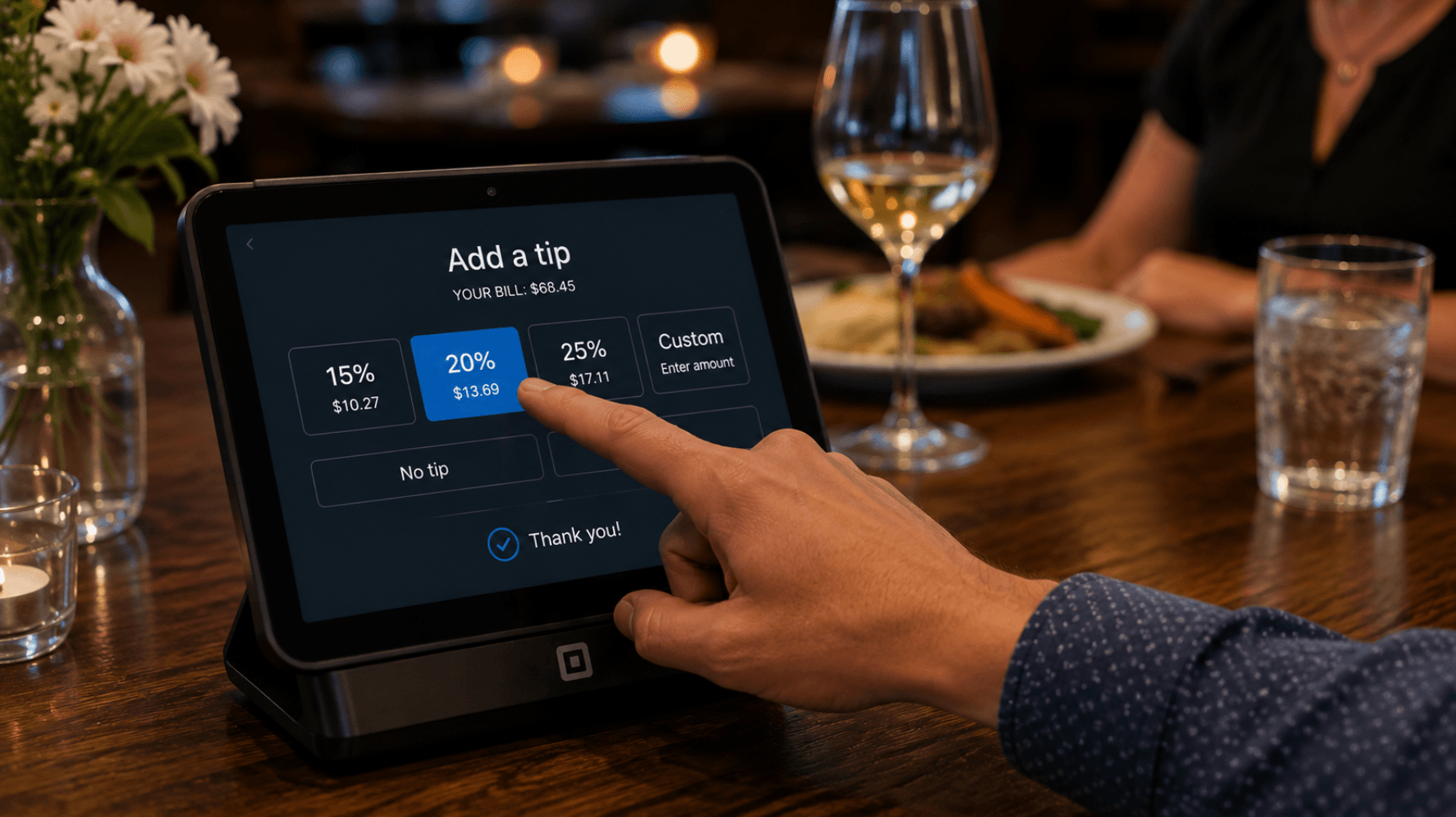
The tablet flipped around. It’s showing you 20%, 25%, 30%. You’re buying a muffin. How did we get here?
Tipping culture has expanded faster than most consumers realize, and the confusion about when, how much, and whether it’s truly optional has turned routine transactions into guilt-laden math problems. Here’s what most people get wrong.
The tablet prompt is not a social norm — it’s software. When a coffee shop, bakery, or fast-casual counter spins the screen and shows tip options of 20%, 25%, and 30%, that’s a default setting in the point-of-sale system, not a reflection of industry-wide tipping expectations. Most payment processors like Square and Toast set those defaults high because higher tips generate slightly higher processing fees. You can hit “no tip” or “custom amount” without judgment — the cashier sees the total, not which button you pressed.
Servers in most states still rely on tips for the majority of their income. The federal tipped minimum wage is $2.13 per hour — unchanged since 1991. While some states have eliminated the tipped minimum, in the majority of the country, restaurant servers earn $2.13 to $5 per hour before tips. Not tipping at a full-service restaurant directly reduces their take-home pay. This is different from tipping at a counter where employees earn the full minimum wage.
Delivery app tips go to the driver — usually. After years of controversy, most major delivery platforms now pass 100% of the tip to the driver. But the tip amount also affects which orders drivers accept. A no-tip or low-tip order may sit at the restaurant for an extended period because drivers prioritize higher-tipped deliveries. The tip isn’t just compensation — it’s a priority signal.
Tipping on pickup orders is new and genuinely optional. Tip prompts on takeout and pickup orders are a post-pandemic addition. There is no established tipping norm for food you pick up yourself. Some people tip a dollar or two. Many tip nothing. Neither is wrong. The staff preparing your order are typically paid the full minimum wage, not the tipped minimum.
Pre-tax vs. post-tax tipping matters more than you think. A 20% tip calculated on the pre-tax subtotal and a 20% tip calculated on the post-tax total can differ by $2 to $5 on a restaurant bill. Etiquette experts generally say tipping on the pre-tax amount is standard. The tablet usually calculates on the post-tax total — which is slightly higher and benefits the business.
Automatic gratuity on large parties is not a tip — it’s a service charge. Many restaurants add an 18% to 20% mandatory gratuity for parties of six or more. This is a service charge, not a tip, and in most states it’s taxable income for the restaurant, not the server. Whether the server actually receives the automatic gratuity depends on the restaurant’s internal policy. If you want your server to benefit directly, ask whether the auto-grat goes to them.
Tipping has always been complicated. What’s new is that the prompts are everywhere, the percentages are higher than they’ve ever been, and the line between “expected” and “optional” is blurrier than at any point in the last century.