Lifestyle
6 Things Your Hospital’s Billing Department Hopes You Never Ask
By Mike Harper · August 10, 2026
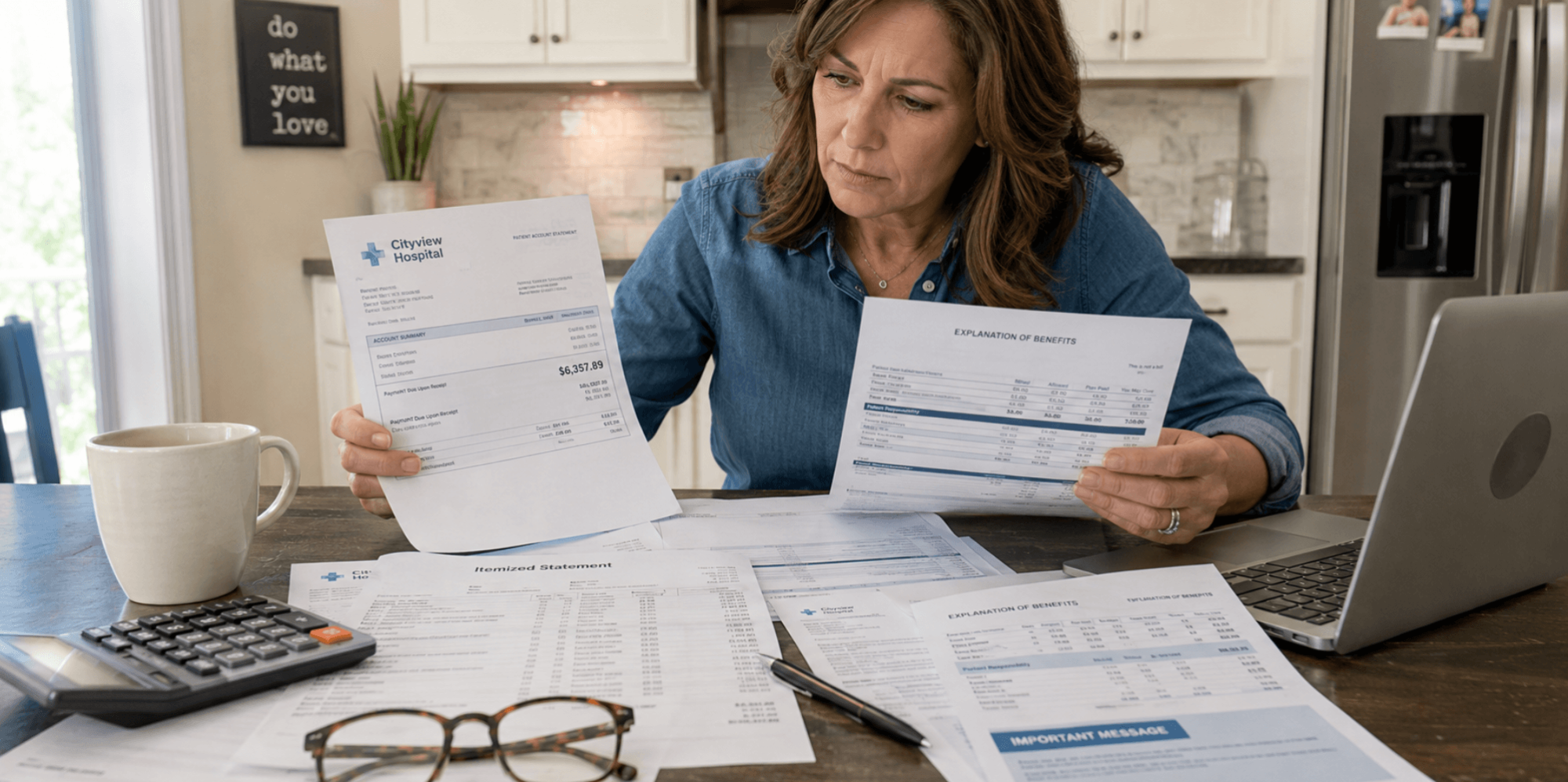
Up to 80% of hospital bills contain at least one error. The hospital’s billing department is not going to tell you that.
You leave the hospital thinking the hard part is over. Then the bill arrives — pages of codes, charges, and numbers that seem detached from anything that actually happened to you. Most patients pay it. The ones who don’t are the ones who know what to ask. Here’s what the billing department hopes you never figure out.
You can request an itemized bill — and you should. The summary statement most hospitals send is not an itemized bill. It’s a total with broad categories. The itemized version — which hospitals are required to provide within 30 days of your request — lists every individual charge with CPT codes, dates, and provider names. This is the only document that lets you see whether you were charged for services you didn’t receive, billed twice for the same procedure, or upcoded to a more expensive service than what was provided.
You can compare every charge to what Medicare pays. Medicare publishes what it pays for every procedure, and the data is free. Charges exceeding 400% of the Medicare rate warrant investigation. The hospital may charge $4,200 for a procedure Medicare reimburses at $800. That doesn’t mean you owe $4,200 — it means the hospital is billing at a rate designed for negotiation, and you’re the only party at the table who doesn’t know it.
Duplicate charges are the most common billing error. The same blood test billed twice. The same medication recorded on consecutive days when it was administered once. Studies consistently find that nearly half of all insured adults receive a medical bill for services they believed were covered. A line-by-line review of the itemized bill catches duplicates that the summary statement hides.
You may qualify for charity care and nobody will tell you. Nonprofit hospitals are required to have financial assistance programs — often called charity care — for patients who can’t afford their bills. Income limits typically range from 200% to 400% of the federal poverty level, or roughly $31,920 to $63,840 for an individual in 2026. But hospitals don’t volunteer this information. You have to ask. If you qualify, the hospital may reduce or eliminate your balance entirely.
You can dispute the bill and request a billing hold while you do. Submitting a written dispute — citing specific charges, dates, and CPT codes — triggers a review process. During that review, you can request a billing hold that prevents the hospital from sending your account to collections. Most hospitals will grant the hold if you ask in writing. Most patients don’t know to ask.
The bill can be negotiated even if it’s accurate. Even when every charge is correct, the total is a starting point. Hospitals regularly accept 40% to 60% of the billed amount from uninsured or underinsured patients who negotiate. Offering a lump-sum payment at a reduced rate — or asking for a zero-interest payment plan — almost always produces a lower total than paying the number on the statement.
The billing department processes payments. It does not advocate for you. The difference between a $12,000 bill and a $4,000 bill is often one phone call and one request for an itemized statement. The patients who make that call save thousands. The ones who don’t are subsidizing the ones who do.