Lifestyle
With No Workplace Pensions, a Couple Sold the House to Fund Retirement and Have Rented Ever Since. Eight Years Later: “We Have More Money Today”
By Mike Harper · November 20, 2026
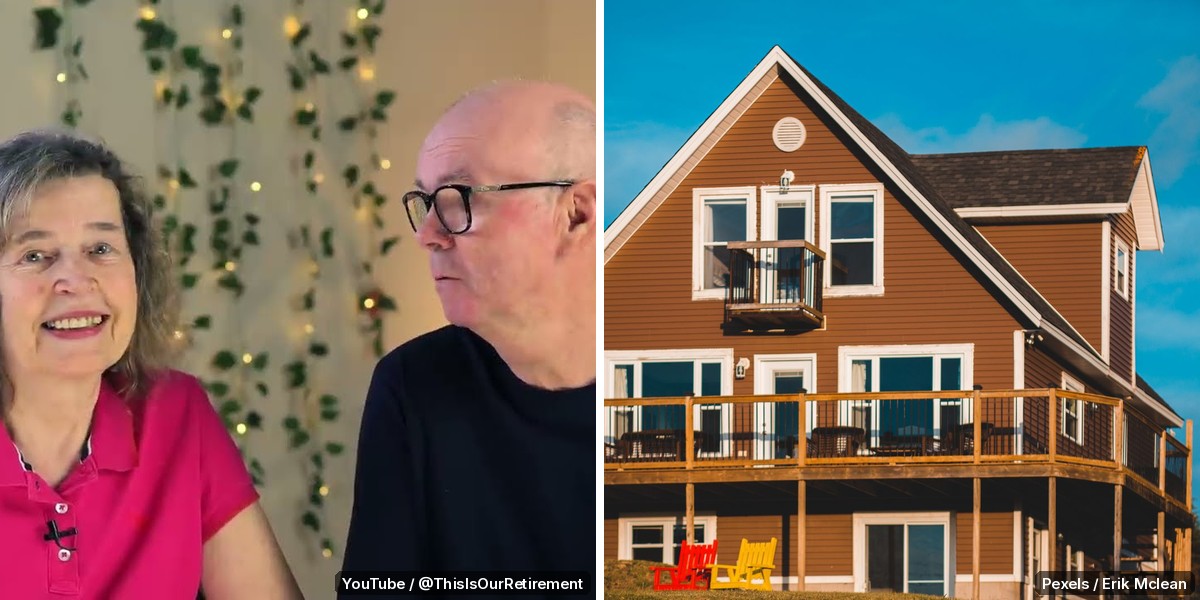
Norm and Tina never had a company pension to count on. So the Ontario couple made a plan for the house they raised their kids in: one day it would be sold, and the money would fund their retirement.
“We decided quite early on, buying a house, that it would end up being sold to provide us with a retirement fund because we didn’t have workplace pension plans that we contributed to,” they explain in a May 2024 video on their YouTube channel, @ThisIsOurRetirement. “So we always knew we would sell the house and that would fund our retirement.”
They did it. The day the sale of their three-bedroom bungalow closed became the first day of their retirement. They drove to a new town and moved into a rented apartment. The video looks back eight years later.
They admit home values where they used to live climbed sharply after the sale. But they count several things on the other side, starting with the rent.
“We locked into a rent eight years ago,” Norm says. “We are in rent controlled property so our rent increases have been between one and two percent a year over eight years.”
New neighbors are not so lucky. “People coming into our building at the moment are paying nearly eight or nine hundred dollars per month more than what we pay for the same apartment,” they say. “So you could almost say that was worth a hundred thousand.” The couple are Canadian, so those figures are in Canadian dollars.
They kept the house money invested and set a travel budget. “In eight years we allocated 25,000 per year for travel,” they say. They note that they did not travel at all for three of those years. “So we have more money today than we did eight years ago when we sold our house.”
They also like paying nothing for repairs, having a pool and a gym in the building, and being able to lock the door and travel without worrying about frozen pipes.
Then Norm puts the big question to Tina. “So Tina, do we have any regrets selling our house and throwing money away on rent?”
“Absolutely not, Norm,” she answers. “We absolutely love it… We think it’s one of the best decisions we ever made.”
They go a step further. “And even if we weren’t in rent-controlled property, we would do our homework and we would still rent.”
Norm died in 2025, as Tina has shared in later videos on the channel. In a video posted this month, she says she still lives in the apartment they rented together in southern Ontario.
Their low increases came from rent control. In Ontario, the provincial rent increase guideline sets the most a landlord can raise most tenants’ rent in a year without approval. It is 2.1% for 2026 and 1.9% for 2027, and it is capped at 2.5%. It does not apply to units first occupied after November 15, 2018, and landlords can set a new rent when a new tenant moves in, which is why newcomers pay more. Many places in the U.S. have no rent control at all.
For homeowners weighing the same move, compare what the house costs to keep each year, including property tax, insurance and repairs, against local rents. Ask whether increases are limited in that building. And decide how the sale money will be invested before signing anything.
This article is for general information and is not financial or legal advice. Norm and Tina’s story and quotes are from their YouTube videos. This article was produced with the assistance of AI and fact-checked against the sources cited by LightWave Reports.