Lifestyle
Feeling Down as the Days Get Shorter Can Be Seasonal Affective Disorder. Signs That It’s More Than the Winter Blues
By Mike Harper · October 29, 2026
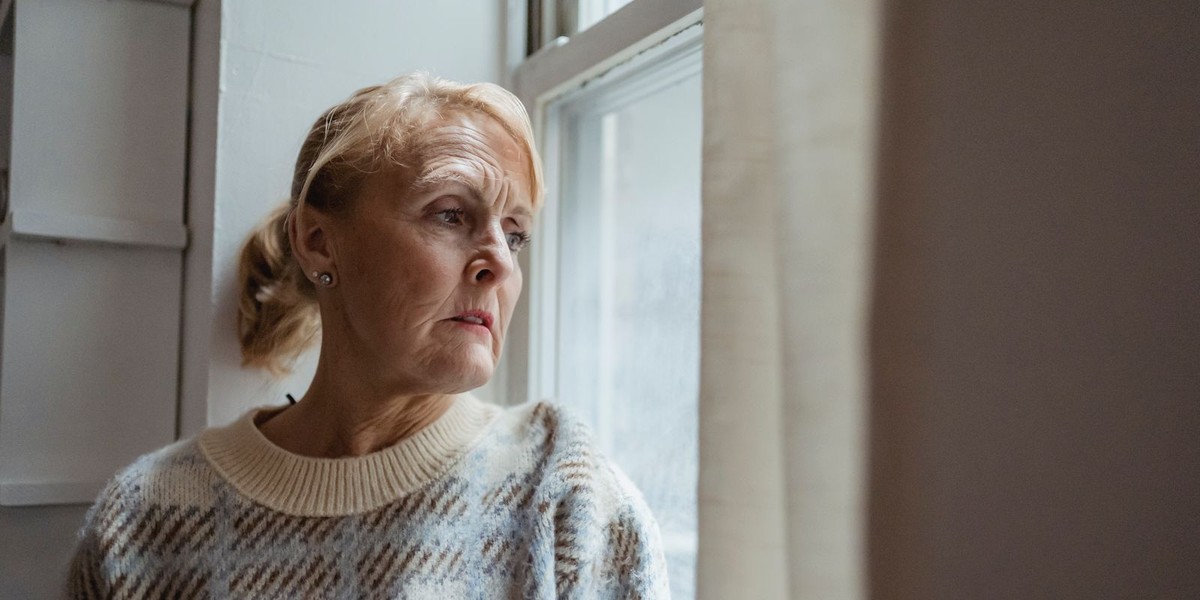
As the afternoons grow darker, plenty of people feel a little flat. They sleep more, move less and look forward to spring. For some, the seasonal slump runs deeper and lasts for months, and it has a name.
The National Institute of Mental Health says that many people feel “down” or have the “winter blues” when days get shorter in fall and winter. When those changes become serious enough to affect how a person feels, thinks and behaves, it may be seasonal affective disorder, or SAD. The institute describes it as a type of depression with a recurring seasonal pattern, with symptoms lasting about four to five months of the year.
In most cases, NIMH says, symptoms start in late fall or early winter and ease in spring and summer. MedlinePlus, the National Library of Medicine’s consumer health site, says symptoms usually build up slowly in the late autumn and winter months. A less common summer pattern also exists.
These are signs described by NIMH and MedlinePlus. Not everyone with SAD has all of them.
A low mood that won’t lift. NIMH lists a persistent sad, anxious or “empty” mood most of the day, nearly every day, for at least two weeks, along with feelings of hopelessness, guilt or worthlessness.
Losing interest. Hobbies and activities that once brought pleasure may stop appealing. MedlinePlus lists a loss of interest in work or other activities.
Sleeping more. NIMH lists oversleeping as a feature of the winter pattern. MedlinePlus notes that too little sleep is more typical of other forms of depression.
Eating more and gaining weight. NIMH says winter SAD can bring overeating, particularly a craving for carbohydrates, leading to weight gain.
Wanting to hibernate. NIMH lists social withdrawal, which it describes as feeling like “hibernating.”
Low energy and slower thinking. Decreased energy, fatigue or feeling slowed down are on the NIMH list, along with trouble concentrating, remembering or making decisions.
Irritability. Both sources list irritability, and NIMH includes frustration and restlessness.
NIMH draws a line between SAD and the “holiday blues.” It says the depression of SAD is tied to changes in daylight hours, not the calendar, so stress from holidays or family visits is not the same thing. To be diagnosed, the institute says, a person’s depressive episodes must occur during a specific season for at least two years in a row.
The disorder is more common in women and in people who live farther north, NIMH says. Researchers think shorter days may lower levels of serotonin, a brain chemical that helps regulate mood, and that people with winter SAD may produce too much melatonin, a hormone that can increase sleepiness.
Treatments are available. NIMH lists four main approaches: light therapy, talk therapy, antidepressant medicine and vitamin D, though it says studies of vitamin D have produced mixed results. Light therapy typically involves sitting in front of a very bright light box for about 30 to 45 minutes a day, usually first thing in the morning, from fall to spring. NIMH cautions that people with certain eye diseases or who take medicines that increase sensitivity to sunlight may need other treatments or medical supervision.
MedlinePlus suggests getting enough sleep, eating healthy foods, exercising more often and avoiding alcohol, which can make depression worse. Because the timing is predictable, NIMH says people with a history of SAD may benefit from starting treatment before fall.
Anyone struggling or having thoughts of suicide can call or text the 988 Suicide and Crisis Lifeline at 988. In a life-threatening situation, call 911.
This article is for general information and is not medical advice. Talk with your doctor or a mental health professional if seasonal mood changes affect your daily life. This article was produced with the assistance of AI and fact-checked against the sources cited by LightWave Reports.