Lifestyle
Legs That Won’t Stay Still at Night Can Signal Restless Legs Syndrome. Signs and What Can Make It Worse
By Mike Harper · October 29, 2026
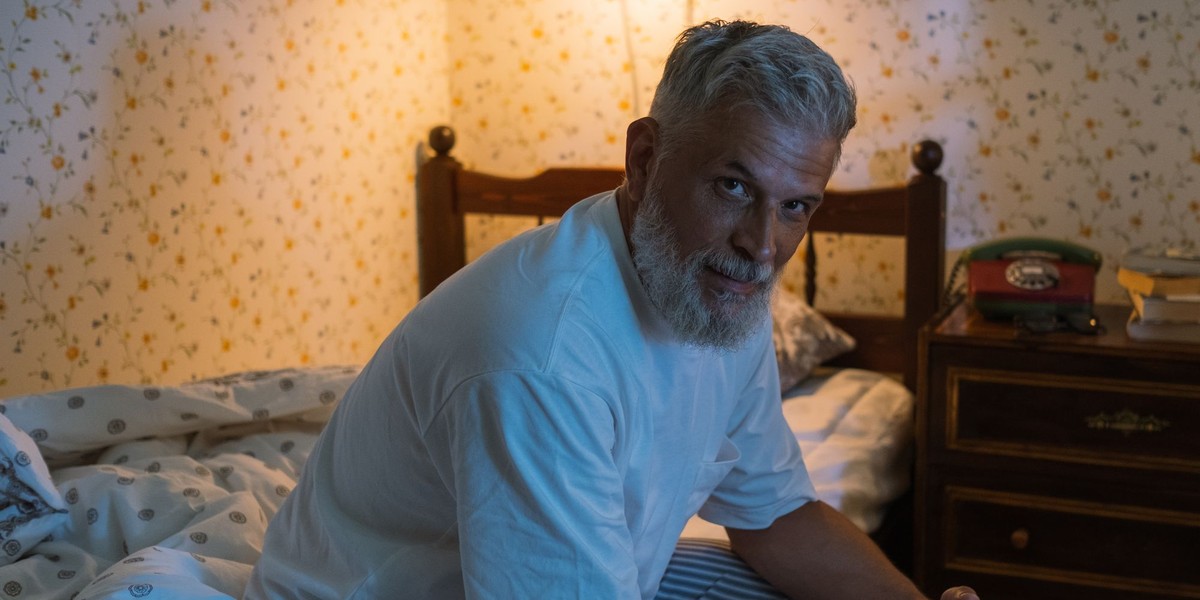
Settling into bed or a favorite chair should be the easy part of the day. For people with restless legs syndrome, it is often when the trouble starts: a creeping, pulling feeling in the legs and an urge to move them that is hard to ignore.
The National Institute of Neurological Disorders and Stroke describes restless legs syndrome, or RLS, as a neurological condition that causes an irresistible urge to move the legs. It is also known as Willis-Ekbom disease. Mayo Clinic says the condition can begin at any age and tends to get worse with age, and that it is more common in women than in men. MedlinePlus, the National Library of Medicine’s consumer health site, says it occurs most often in middle-aged and older adults.
These are the signs described by NINDS, Mayo Clinic and MedlinePlus.
Strange feelings inside the legs. Mayo Clinic says the sensations are felt within the legs rather than on the skin, and people describe them as crawling, creeping, pulling, throbbing, aching, itching or electric.
Symptoms that start when you rest. According to NINDS, the sensations typically come on when a person is inactive and sitting for long periods, such as on a plane trip or while watching a movie. MedlinePlus says this can make it hard to sit through car or air travel, classes or meetings.
Relief from moving. Mayo Clinic says stretching, jiggling the legs, pacing or walking may improve symptoms. NINDS notes that the relief is temporary and the feelings often return as soon as the movement stops.
Worse in the evening and at night. NINDS says people commonly feel symptoms in the late afternoon or evening, and that RLS can make it hard to fall asleep or get back to sleep after waking up. It describes a symptom-free period in the early morning.
Twitching during sleep. Most people with RLS also have periodic limb movement of sleep, NINDS says, which causes involuntary twitching or jerking of the legs, typically every 15 to 40 seconds.
Tiredness during the day. Lost sleep can lead to daytime sleepiness, trouble concentrating, memory problems and mood changes, according to NINDS. Mayo Clinic says it can cause depression in some people.
Symptoms often come and go. Mayo Clinic says they may disappear for a time and then come back. NINDS says they often reappear and become more severe over time.
In most cases the cause is unknown. NINDS says RLS often runs in families, and that low levels of iron in the brain may also be responsible. Mayo Clinic lists conditions that can occur with it, including iron deficiency, kidney failure, peripheral neuropathy, spinal cord conditions and Parkinson’s disease. MedlinePlus adds diabetes and multiple sclerosis.
Several things can make it worse. NINDS lists alcohol, nicotine and caffeine, along with sleep deprivation and sleep apnea. It also says certain medicines may aggravate symptoms, including some anti-nausea drugs, antipsychotic drugs, antidepressants that increase serotonin and some antihistamines. MedlinePlus says stress or emotional upset can also make symptoms worse.
There is no single test. NINDS says a provider can review symptoms, medical history, medications and family history, and blood tests may help rule out other causes such as kidney failure and low iron.
Treatment starts with what might be making symptoms worse, such as iron deficiency, neuropathy or sleep apnea, NINDS says. Lifestyle steps it lists include cutting back on alcohol, nicotine and caffeine, keeping a regular sleep schedule, exercising moderately and consistently, massaging the legs, taking a warm bath and using a heating pad or ice pack. Doctors may also prescribe medicines, including iron supplements.
This article is for general information and is not medical advice. Talk with your doctor if leg symptoms keep you from sleeping, and before changing any medicine. This article was produced with the assistance of AI and fact-checked against the sources cited by LightWave Reports.