U.S. News
New FAA Rule Creates Permanent Drone-Free Zones
By Mike Harper · May 7, 2026
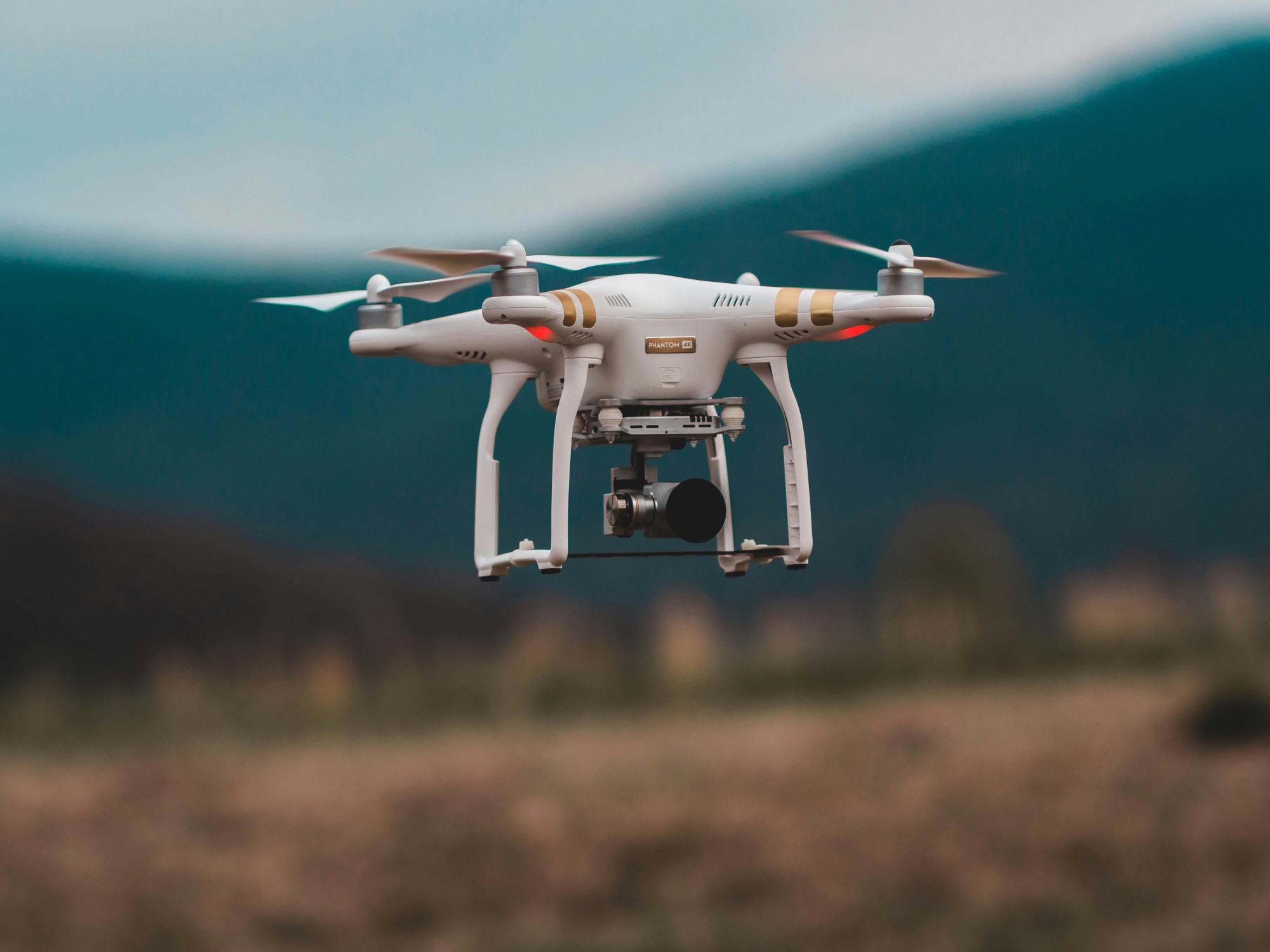
The Federal Aviation Administration published a 181-page proposed rule this week that would fundamentally change where recreational and commercial drone pilots can fly — creating a formal process for permanent drone-free zones around thousands of sensitive facilities across the country, with civil fines up to $75,000 and criminal fines up to $100,000 for violations.
The rule, filed for public inspection May 5 and published in the Federal Register May 6, implements a congressional mandate from 2016 that the FAA had never completed — nearly a decade of delay that Congress and President Trump’s executive order on “Restoring Airspace Sovereignty” finally forced into action.
The proposal establishes two tiers of restriction. The first — a standard unmanned aircraft flight restriction — limits drone operations near a facility to operators who provide advance notice to the site manager and comply with specific requirements. The second and more severe tier — a Special Unmanned Aircraft Flight Restriction — bars drone operations entirely within a defined boundary unless the operator has express prior approval from both the FAA and the relevant sponsoring federal agency, such as the Department of Homeland Security.
Sixteen sectors of critical infrastructure would be eligible to apply for these restrictions, including energy production facilities, oil and gas refineries, water treatment plants, chemical facilities, transportation hubs, state prisons, defense industrial complexes — and amusement parks. Facilities must apply through a new FAA web portal and demonstrate that the restriction is necessary for aviation safety, protection of people and property, national security, or homeland security.
The practical consequence for the estimated 800,000 registered drone operators in the United States is a mapped expansion of the areas where flying without authorization becomes a federal offense. Currently, drone restrictions around sensitive sites rely primarily on Temporary Flight Restrictions — short-term, often unpublicized airspace limits that change frequently and are difficult for hobbyists to track. The new framework would create permanent, clearly defined boundaries with published locations that operators can check in advance using the FAA’s B4UFLY app.
Transportation Secretary Sean Duffy framed the rule as a balance between security and industry growth: “Restoring airspace sovereignty in America means protecting sensitive locations from aerial threats while providing clear guidance to drone pilots so they can operate with confidence.”
The timing of the rule’s release — five weeks before the FIFA World Cup opens in the United States on June 11 — is not incidental. The FAA separately designated every World Cup stadium and surrounding event space as a strict No Drone Zone earlier this year, with the same $75,000 civil and $100,000 criminal penalty structure. The two actions together represent the most significant expansion of drone-restricted airspace since the Remote ID final rule in 2021.
The comment period on the proposed rule runs through July 5, 2026. The rule is not yet in effect — comments are being collected and the FAA will issue a final rule after reviewing them. Anyone who operates drones recreationally or professionally near industrial facilities, prisons, power plants, or similar infrastructure should review the proposal at regulations.gov under Docket No. FAA-2026-4558.