Politics
Poll: Most Americans See Trump Growing Erratic
By Mike Harper · April 10, 2026
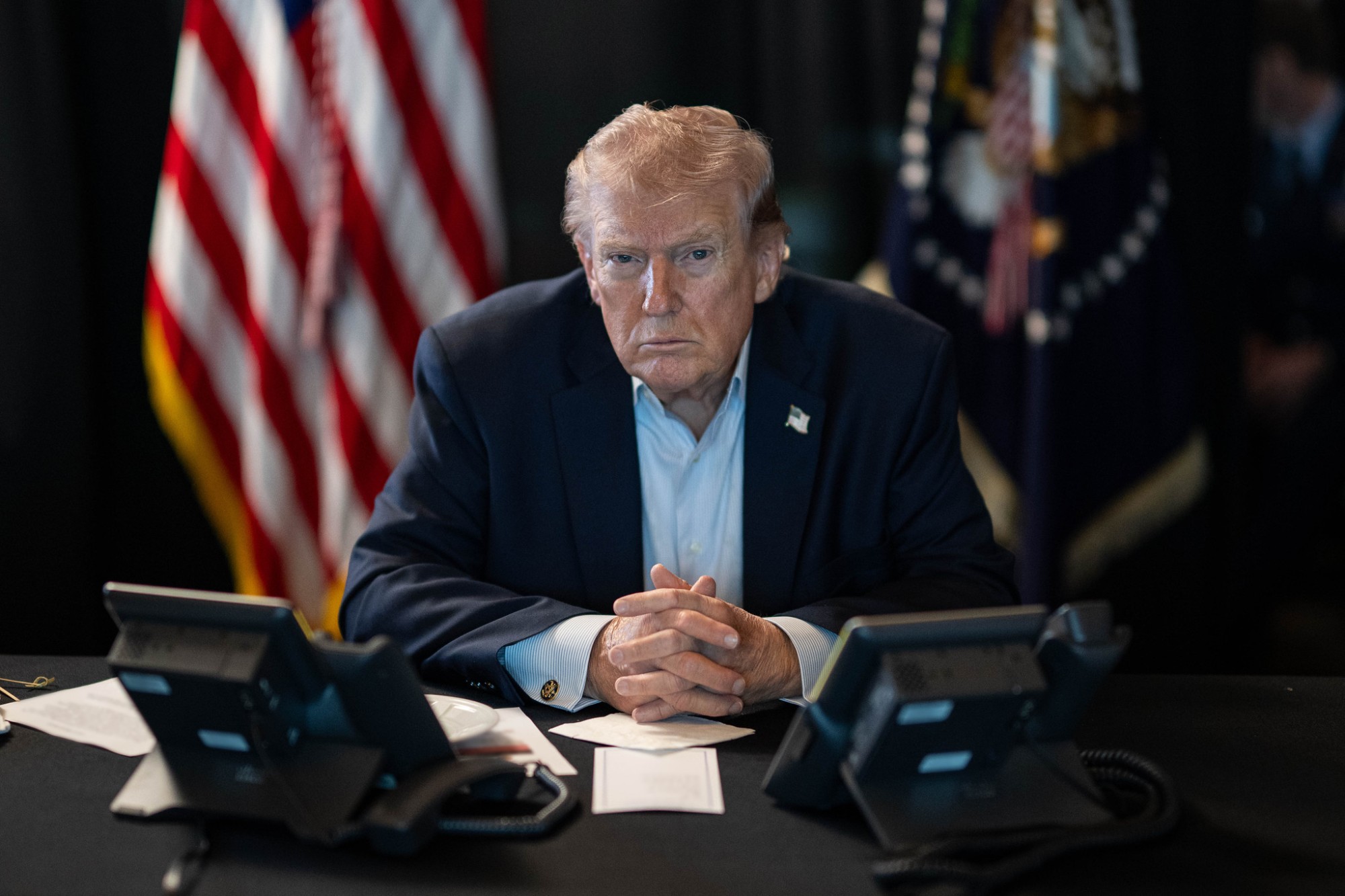
The numbers aren’t close — and they cut across party lines in ways that should concern the White House.
A Reuters/Ipsos survey conducted in February found that 61 percent of Americans believe Trump has “become erratic with age”, with only 32 percent disagreeing. The findings, reported by The Hill, include 89 percent of Democrats and 64 percent of independents — neither of which is surprising. What’s notable is the Republican number: 30 percent of Trump’s own party shares that view.
That’s not a fringe. That’s nearly one in three Republicans.
The poll, which surveyed 4,638 U.S. adults with a margin of error of two percentage points, also found that only 45 percent of respondents describe Trump as “mentally sharp and able to deal with challenges” — down from 54 percent in a comparable Reuters/Ipsos poll conducted in September 2023. Among independents, that number has fallen from 53 percent to 36 percent. Among Democrats, from 29 percent to 19 percent.
The White House dismissed the findings. Spokesman Davis Ingle called them examples of “fake and desperate narratives” and pointed to Trump’s “unmatched energy” and “historic accessibility” as evidence to the contrary.
The timing of the poll adds context. It was conducted before Trump’s most recent Iran escalation — including his Truth Social post threatening that “a whole civilization will die tonight” — which prompted renewed calls from Democrats for impeachment and invocation of the 25th Amendment. Whether that rhetoric further moved public perception on the fitness question isn’t yet captured in polling data.
What the February numbers do reflect is a sustained trend. According to CNN’s analysis, the percentage of Republicans who are “very confident” in Trump’s mental fitness has dropped from 75 percent to 66 percent since he returned to office. That’s a meaningful erosion within his base, even if overall Republican support remains strong.
The political stakes here are real. Heading into the 2026 midterms, perceptions of presidential stability tend to shape independent voter behavior more than base behavior. And it’s independents — not Democrats — who have moved most sharply on this question.
Whether the Iran conflict accelerates that trend, or whether a successful ceasefire and Islamabad negotiations reframe the picture, is the open question. For now, the data is what it is: a majority of Americans, and a meaningful slice of his own party, have doubts about the president’s steadiness. That’s not a number the White House can simply dismiss away.