Lifestyle
Social Security Survivor Benefits Pay the Higher of Two Benefits, Not Both. How the Rule Works
By Mike Harper · October 29, 2026
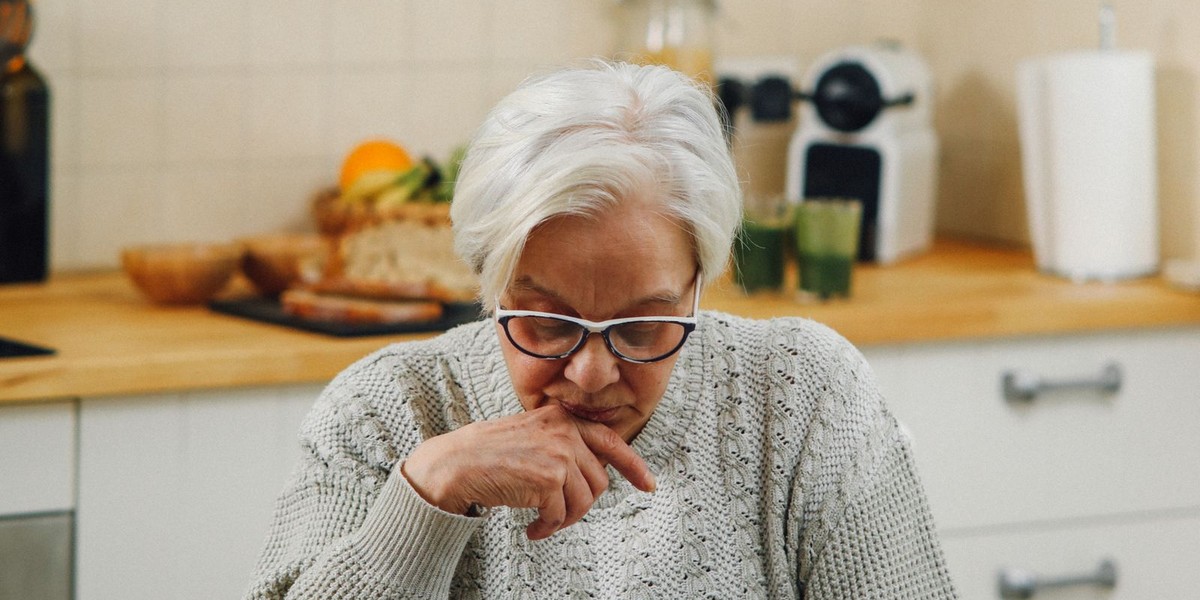
Many married couples assume that when one spouse dies, the survivor will keep their own Social Security check and add the other’s on top. That is not how the program works, and knowing the rule ahead of time can help a household plan.
Survivor benefits provide monthly payments to eligible family members of people who worked and paid Social Security taxes before they died, according to the Social Security Administration. A spouse, divorced spouse, child or dependent parent may qualify.
The key rule is that two benefits are not stacked. On its page explaining survivor payments, the agency says that if you are eligible for a survivor benefit and another benefit, you’ll choose the payment that’s best for you, and the payments won’t be added together. Its survivors booklet puts it this way: if you are getting benefits based on your own work, the agency will check whether you can get more as a surviving spouse, and if so, you’ll get a combination of benefits that equals the higher amount.
These are the main points of the rule, based on the agency’s guidance.
Age changes the amount. Survivor payments for spouses and former spouses start at 71.5% of the late spouse’s benefit and rise the longer you wait to apply, SSA says. Examples it gives are over 75% at age 61, over 80% at 63 and over 90% at 65. A survivor can get up to 100% at full retirement age for survivor benefits.
That age is its own number. SSA says full retirement age for survivors is between 66 and 67 and is not always the same as the full retirement age for retirement benefits. The booklet says it is 66 for survivors born from 1945 to 1956, rises gradually for those born from 1957 to 1962, and is 67 for anyone born in 1962 or later.
Benefits can start early. Survivor benefits can begin as early as 60, or 50 for someone with a disability. A surviving spouse of any age who cares for the worker’s child younger than 16 generally gets 75% of the worker’s benefit amount, the booklet says.
You can switch later. The agency says survivors can change benefits down the road. Its example is starting with survivor benefits and then changing to your own retirement benefit at 70, when that payment is highest.
Divorce does not always rule it out. A former spouse 60 or older, or 50 to 59 with a disability, can get benefits if the marriage lasted at least 10 years.
Remarriage timing matters. Usually a survivor cannot get surviving spouse benefits after remarrying before 60, or 50 with a disability. Remarrying after those ages does not prevent payments, and at 62 or older a person can get benefits on a new spouse’s work if they would be higher.
Work can reduce payments. Survivors younger than full retirement age may see benefits reduced if their earnings go over certain limits, SSA says. There is no earnings limit starting with the month a person reaches full retirement age.
There is also a small one-time lump-sum death payment, which can go to a spouse or some children who meet certain requirements. The booklet says it must be applied for within two years of the death.
Timing the application matters too. The agency urges people to apply promptly because, for some claims, benefits are paid from the time of the application and not from the time the worker died. Someone already getting spouse benefits will be switched to survivor benefits once the death is reported, but a person collecting on their own work record must complete an application.
This article is for general information and is not financial or legal advice. Contact Social Security for details about your own situation. This article was produced with the assistance of AI and fact-checked against the sources cited by LightWave Reports.