Lifestyle
Suddenly Struggling to Pay Bills or Learn a New Routine Can Be a Sign of Vascular Dementia, the Second Most Common Type After 65
By Curtis Jones · November 18, 2026
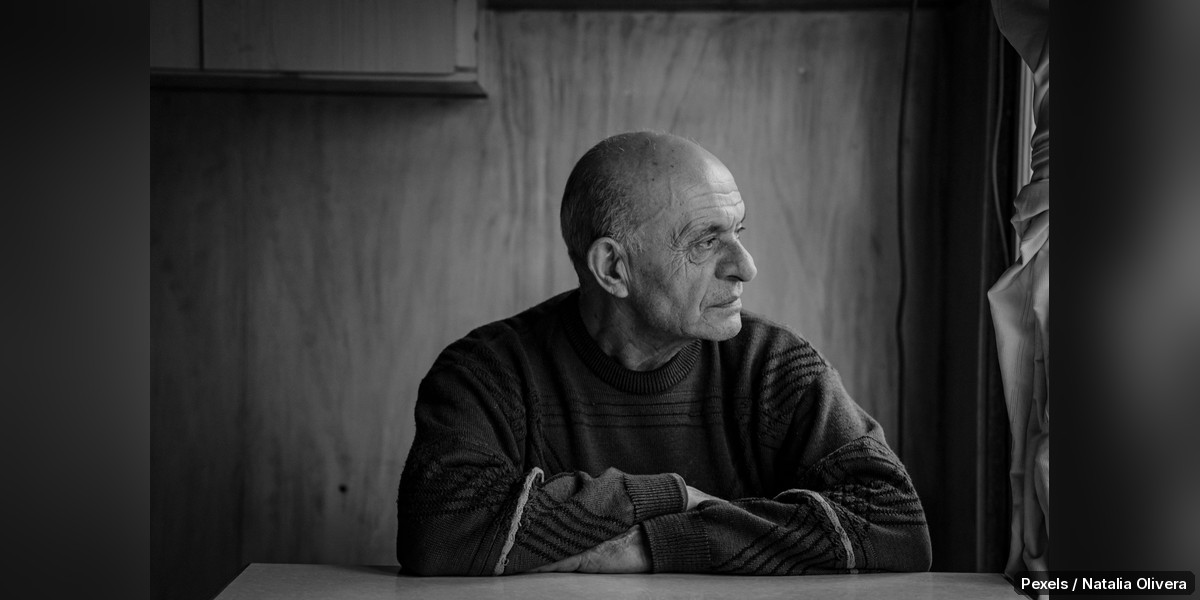
When people picture dementia, they usually picture a slow fade. Names slip a little more each year, and the changes are so gradual that families only notice them looking back.
Vascular dementia does not always work that way. Federal health experts say its symptoms can begin gradually, but they can also show up suddenly. One early clue is trouble with an everyday job that used to be easy, like paying the monthly bills.
MedlinePlus, the National Library of Medicine’s health site, calls vascular dementia “the second most common cause of dementia after Alzheimer disease in people over age 65.” It says the condition is caused by a series of small strokes that cut off blood supply to parts of the brain.
Some of those strokes are so small that they cause no symptoms at all. MedlinePlus calls these silent strokes. Over time, as more areas of the brain are damaged, the signs of dementia appear.
That is why the pattern can look different from Alzheimer’s. According to MedlinePlus, symptoms “may develop gradually or may progress after each small stroke,” and they may begin suddenly after each stroke. Some people improve for short periods, then decline again after more silent strokes.
The National Institute on Aging describes it the same way. It says symptoms “can begin gradually or can occur suddenly, and then progress over time, with possible short periods of improvement.”
The first item on NIA’s list of symptoms is difficulty performing tasks that used to be easy, “such as paying bills.” MedlinePlus gives a similar example: trouble balancing a checkbook, playing games such as bridge, or learning new information or routines.
Both agencies list other early signs to watch for:
Getting lost on familiar routes. Trouble finding the right word or the name of a familiar object. Misplacing items. Losing interest in things you used to enjoy, or a flat mood. Changes in personality, behavior and mood. Changes in sleep, which MedlinePlus says often means waking up at night.
MedlinePlus adds that the symptoms depend on which areas of the brain have been injured. It also notes that vascular dementia and Alzheimer’s can occur together, and their symptoms can look alike, which is one reason a doctor’s evaluation matters.
The risk factors will sound familiar to anyone who has talked with a doctor about heart health. MedlinePlus lists diabetes, hardening of the arteries, heart disease, high blood pressure, smoking, and a past stroke or other vascular disease.
There is no treatment that repairs brain damage already caused by small strokes, MedlinePlus says. The goal is to manage symptoms and correct the risk factors to help prevent more strokes. NIA says treating high blood pressure, diabetes, high cholesterol and heart rhythm problems can help prevent additional strokes.
Among the steps MedlinePlus lists are keeping blood pressure lower than 130/80, not smoking, eating a healthy, low-fat diet and limiting alcohol. It says to ask your provider what your own blood pressure target should be, and not to start or stop aspirin without talking to your provider first.
MedlinePlus says to contact your provider if symptoms of vascular dementia occur. A sudden change in mental status, sensation or movement is different. Those can be emergency signs of a stroke, and the site says to go to the emergency room or call 911.
If you or someone you love has suddenly started having trouble with bills, directions or words that used to come easily, write down what changed and when, and bring that list to a doctor.
This article is for general information only and is not medical advice. Talk with your doctor about any symptoms that concern you, and call 911 in an emergency. This article was produced with the assistance of AI and fact-checked against the sources cited by LightWave Reports.