Sports
The $5M NIL Deal That Just Became a $6M Legal Nightmare
By Curtis Jones · April 28, 2026
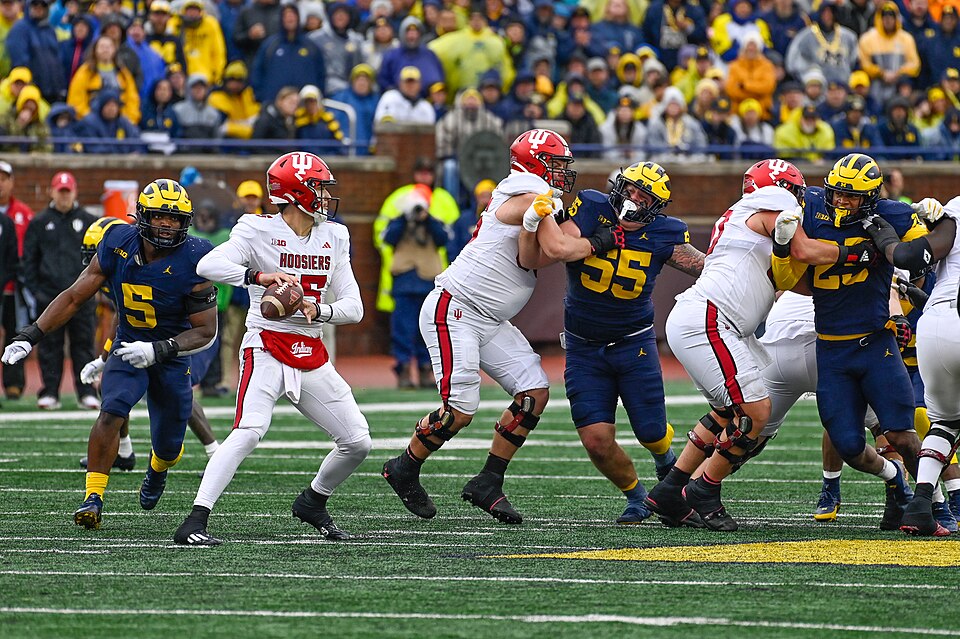
Brendan Sorsby was the blueprint for the modern college football era. A highly recruited transfer quarterback, a $5 million NIL deal, the returning favorite to win the Big 12. By Monday morning, he was in residential treatment for a gambling addiction, under NCAA investigation, and staring down more than $6 million in combined legal liability.
Texas Tech announced on Monday that Sorsby has taken an indefinite leave of absence to enter a gambling treatment program, after ESPN reported that the NCAA is investigating thousands of online bets placed by the quarterback, including wagers on Indiana football games during the 2022 season when Sorsby was a redshirt freshman on their roster.
The bets were placed on Indiana to win, not to lose. Sorsby did not bet on games in which he himself played. But under NCAA rules adopted in 2023, an athlete wagering on their own sport at another school risks a permanent loss of eligibility — the same penalty that ended former Iowa State quarterback Hunter Dekkers’ career when a similar pattern of bets was discovered in 2023.
The addiction itself is serious and Sorsby deserves the treatment he is seeking. What makes his case a warning is what surrounds it.
The financial architecture of modern college football — the NIL era that the NCAA created when it lifted its amateurism rules in 2021 — was built on the premise that elite players should share in the wealth their performances generate. Sorsby transferred from Cincinnati to Texas Tech this offseason as one of the most coveted quarterbacks in the transfer portal, landing a deal in the neighborhood of $5 million for the upcoming season. Texas Tech positioned itself as a championship contender around him. Boosters paid. Sponsors signed.
That structure has no meaningful plan for what happens when the player at the center of it can’t play.
The University of Cincinnati, where Sorsby played before entering the portal, filed a $1 million lawsuit against him in February alleging he breached an 18-month NIL contract when he transferred. That lawsuit is still active. Now, Texas Tech’s boosters and program sponsors face their own calculation: if Sorsby cannot play this season because of an NCAA eligibility ruling, the legal basis for demanding return of NIL payments already made is an open and very expensive question.
Head coach Joey McGuire framed the announcement in the language of mental health and institutional support, which is appropriate and humane.
“We love Brendan and support his decision to seek professional help,” McGuire said. “Taking this step requires courage, and our primary focus is on him as a person.”
That framing, however, does not resolve the $6 million in combined legal exposure, the Big 12 championship aspirations that now require a backup quarterback who tore his ACL in October to be ready by September, or the broader question the case raises about an industry that built billion-dollar revenue structures around 22-year-olds with no meaningful guidance on what happens when those structures fall apart.
The NCAA is investigating. The eligibility outcome is uncertain. The legal process has already started. And the college football world, which has spent five years celebrating the financial freedom NIL brought to players, is now watching its most prominent cautionary tale play out in real time.